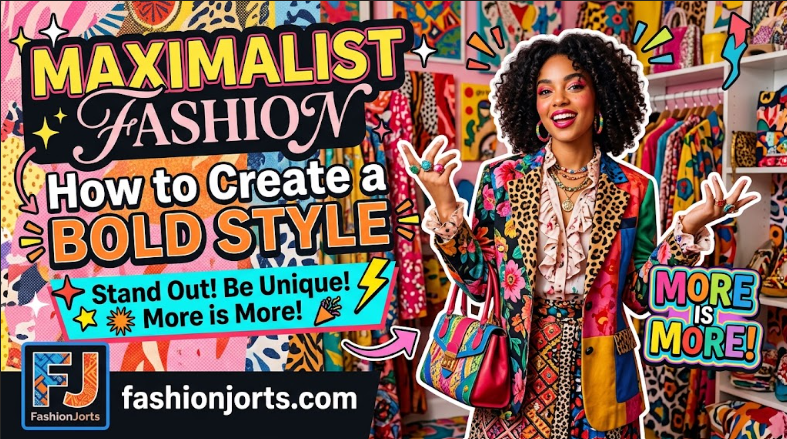
Some outfits are designed to disappear into the background. Others are meant to say something before the wearer speaks. Maximalist fashion belongs to the second group, using color, pattern, shape, texture, and accessories as tools for personal expression rather than details that need to be restrained. The appeal isn’t simply about wearing more. A strong maximalist look has personality and a point of view, whether that comes from an oversized printed coat, layers of jewelry, contrasting fabrics, or an unexpected color combination. The freedom comes from moving beyond the idea that every item must be quiet, neutral, or conventionally matched. For someone exploring this style for the first time, the number of possibilities can feel overwhelming. The good news is that maximalism doesn’t require a completely new wardrobe or a strict formula. It works best when you learn what catches your eye and build around those preferences.
What Maximalist Fashion Really Means
Maximalism is an expressive approach to getting dressed. Instead of removing details until an outfit reaches its simplest form, it allows several visual elements to work together. A person might combine a printed blouse with textured trousers, colorful shoes, and noticeable jewelry without treating any of those choices as excessive. The style is broad enough to look different from one wardrobe to another. One person may gravitate toward vivid colors and playful prints, while someone else prefers dark velvet, dramatic tailoring, ornate accessories, and vintage-inspired pieces. Both can achieve the same sense of richness without looking remotely alike. Intent separates a successful outfit from random excess. Colors can echo one another, silhouettes can create balance, or accessories can reinforce the mood established by the clothing. There may be plenty to look at, but there should still be a reason the pieces belong together.
How Maximalist Style Developed
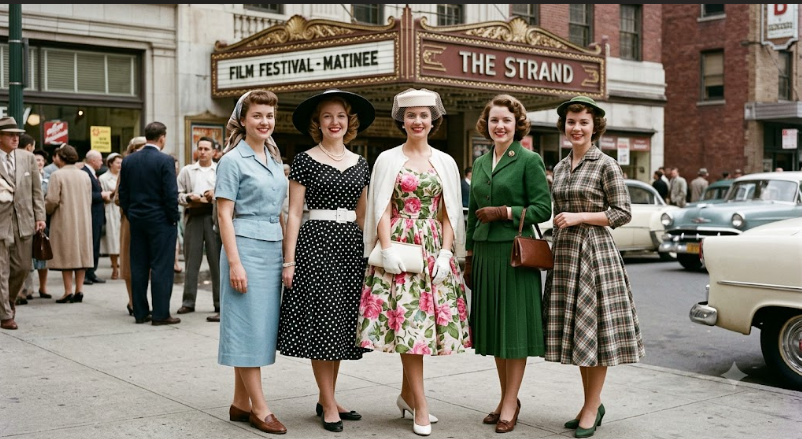
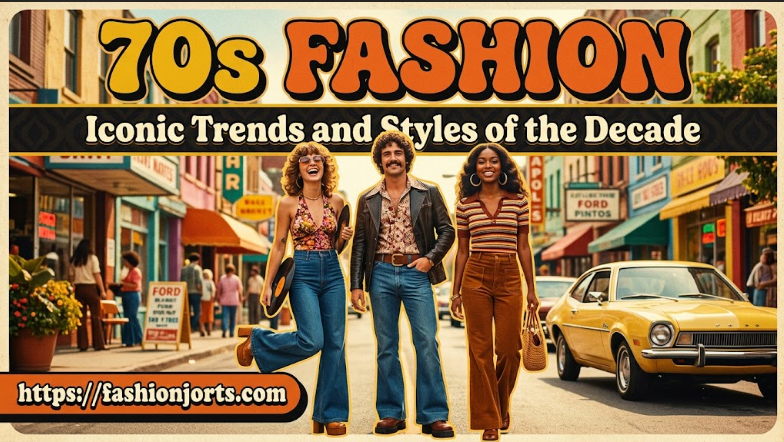
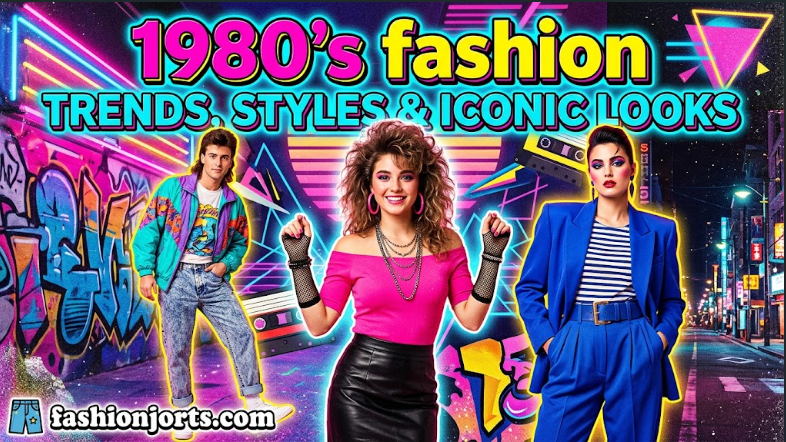
Decorative dressing is far older than the modern labels used to describe it. Across different periods, clothing has featured elaborate fabrics, dramatic proportions, detailed craftsmanship, layers of accessories, and strong visual symbols. What changes over time is the particular version of excess that feels desirable. Modern fashion has repeatedly moved between simplicity and decoration. Some periods favor clean tailoring and restrained palettes, while others bring dramatic shoulders, vivid prints, metallic surfaces, oversized shapes, or elaborate eveningwear into focus. These shifts show that expressive dressing isn’t confined to a single decade. Today’s interpretation is especially flexible because wardrobes can draw from many eras at once. A vintage blouse might be worn with modern wide-leg jeans, contemporary sneakers, and jewelry inspired by an entirely different period. That freedom makes the style less about recreating a historical look and more about creating a personal one.
The Building Blocks of a Maximalist Outfit
You don’t need every bold styling technique in one outfit. In fact, choosing a few elements and developing them well often produces a stronger result. Color, print, texture, proportion, and accessories provide the main tools.
Color Can Set the Direction
Bright shades are an obvious starting point, but the goal isn’t simply to choose the loudest colors available. Interesting combinations can come from pairing shades that aren’t traditionally placed together or using several variations of the same color. Deep green with lilac, burgundy with pale blue, or orange against pink can immediately change the character of familiar clothing. Neutrals still have a place in expressive wardrobes. A cream shirt can calm patterned trousers, while black boots can ground an intensely colored dress. Using quieter pieces strategically can make stronger colors appear even more deliberate.
Patterns Don’t Have to Stay Separate
Mixing prints challenges one of the most familiar dressing rules: choose one pattern and keep everything else simple. Maximalist styling allows florals, stripes, checks, dots, abstract graphics, and animal-inspired patterns to interact. The result becomes easier to manage when the prints share a color or differ noticeably in size. A large floral skirt, for example, can work with a narrow striped top because the two patterns operate at different scales. Adding another equally large and equally colorful print could make the outfit harder to read. Pattern mixing becomes much easier once you think about visual weight rather than whether two prints technically match.
Texture Adds Interest Without More Color
Texture is particularly useful for anyone who enjoys expressive clothes but doesn’t want an intensely colorful wardrobe. Velvet, lace, satin, denim, crochet, faux fur, leather, knitwear, embroidery, and metallic finishes can create contrast within a narrow palette. Light also reacts differently to each material, adding depth as the wearer moves. This approach works especially well with darker outfits. Black lace against smooth tailoring or a heavy knit beside a glossy skirt can feel rich without relying on several colors. Details become the focus instead.
Shape Can Make the Statement
A garment doesn’t need decoration to attract attention. Balloon sleeves, broad shoulders, oversized coats, tiered skirts, wide trousers, sculptural dresses, and unusual proportions can give an outfit a strong presence through shape alone. Even a single-color look can feel maximal when the silhouette is dramatic enough. Proportion also affects how several statement pieces interact. Pairing volume with a fitted garment creates contrast, while combining oversized pieces can produce a deliberately dramatic outline. Trying both approaches in front of a mirror is often more useful than following a fixed styling rule.
How to Start Wearing Maximalist Fashion
Begin with the clothes you already reach for when you want to feel interesting rather than simply dressed. That might be a printed jacket, colorful pair of shoes, vintage handbag, unusual shirt, or piece of jewelry. Use it as the starting point and look for other items that connect through color, material, or mood. Once the foundation works, introduce a second focal point. A patterned jacket could meet colored trousers, or a simple dress could take on a completely different character with layered necklaces, a decorated bag, and striking shoes. Adding elements gradually lets you see exactly when the outfit reaches the level of detail you enjoy. Photographing different combinations can also be surprisingly useful. Something that feels busy while you’re getting dressed may look balanced from a distance, while another combination may reveal that several pieces are competing unnecessarily. Editing is still part of maximalism; it simply happens at a higher level of visual intensity.
Maximalism Doesn’t Require Constant Shopping
A common mistake is treating a new aesthetic as an excuse to replace an existing wardrobe. Maximalist dressing can actually encourage more combinations because items don’t have to fit into a tightly controlled palette. Clothes previously reserved for separate outfits may suddenly work together. Secondhand and vintage pieces can also bring character without making a wardrobe look copied from one season. Older prints, unusual buttons, distinctive jewelry, embroidered garments, and unexpected bags often provide the kind of individuality this style benefits from. The point is finding pieces you want to keep wearing, not accumulating clothes for the sake of abundance. Before buying something, consider whether it creates new combinations with what you already own. A striking jacket that works with six existing outfits may be more useful than several trend-driven purchases. A visually rich wardrobe can still be selective.
Maximalist Fashion vs. Minimalist Style
Minimalism and maximalism are usually presented as opposites, but real wardrobes rarely stay perfectly inside either category. Minimalist dressing tends to favor reduction, clean silhouettes, controlled palettes, and limited decoration. Maximalism leaves more room for visual contrast, layering, ornament, and experimentation. The difference isn’t a question of effort or sophistication. A simple outfit can require careful decisions about tailoring and proportion, while a heavily decorated outfit needs similar judgment to prevent its elements from fighting one another. Both styles can look considered or careless depending on how they’re handled. People can also move between the two without contradiction. Someone might wear an understated suit one day and a patterned dress with layered jewelry the next. Personal style becomes more useful when it offers choices rather than rules.
Building a Wardrobe That Feels Like Your Own
Look for recurring preferences rather than trying to collect every possible statement piece. You may repeatedly choose geometric prints, rich jewel tones, oversized earrings, dramatic jackets, or embroidered fabrics. Those patterns in your own taste provide a better foundation than a generic shopping checklist. Give unusual pieces enough opportunities to prove themselves. A bright blouse may seem difficult until you try it with denim, a patterned skirt, tailored trousers, and layered under a dress. Experimentation can reveal combinations that conventional matching rules would never suggest. Over time, those repeated choices create a recognizable point of view. That’s more valuable than simply looking maximalist. The goal is a wardrobe where the abundance feels connected to the person wearing it.
Conclusion
Maximalist fashion gives clothing permission to be expressive, decorative, humorous, glamorous, dramatic, or unexpected. It isn’t defined by how many pieces you wear, but by a willingness to use visual detail rather than automatically removing it. The best outfits still involve restraint in unexpected places. A repeated color, controlled silhouette, quieter shoe, or carefully chosen accessory can provide just enough structure to make stronger elements work together. Knowing what to leave out can be as valuable as knowing what to add. Start with your own wardrobe rather than an image of how a maximalist dresser is supposed to look. Wear the combinations that make you curious, adjust the ones that feel forced, and keep the pieces that continue to excite you. Personal taste, rather than excess itself, is what gives the style staying power.