An outfit does not need designer labels or expensive accessories to look good. Sometimes, a small detail, such as an awkward trouser length, an unsuitable jacket, or shoes that do not match the occasion, can affect the entire look. These styling mistakes are commonly known as fashion faux pas, although what counts as a mistake often depends on personal taste and social expectations. Good style is less about following strict rules and more about understanding what works together. The right fit, thoughtful color choices, and clothing suited to the occasion can make everyday outfits look more polished. By recognizing a few common mistakes, you can make better use of the clothes you already own and develop a style that feels natural.
What Is a Fashion Faux Pas?
A fashion faux pas is a clothing choice that appears inappropriate, poorly coordinated, or out of place in a particular setting. Wearing casual beachwear to a formal ceremony is one example, while combining unusual colors is not necessarily a mistake if the outfit looks intentional. Fashion expectations also differ between cultures, generations, workplaces, and social occasions. An outfit that feels perfectly suitable for a relaxed gathering may not meet the expectations of a professional event. Understanding the situation is often more useful than memorizing a list of fashion rules.
Common Style Mistakes That Can Ruin an Outfit
Wearing Clothes Without Considering Proportion
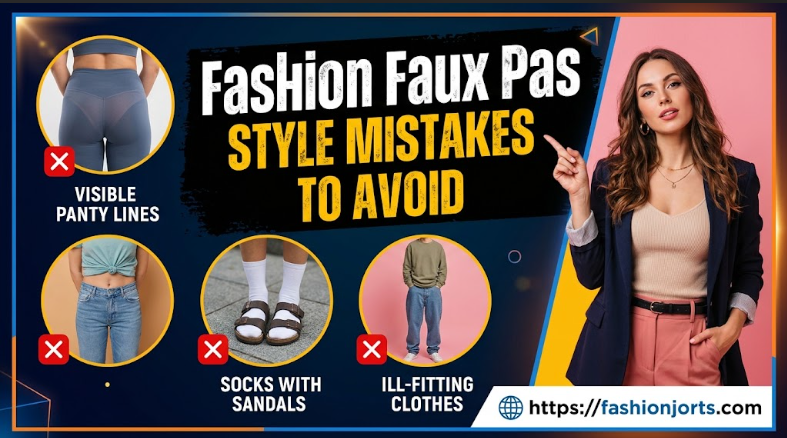
An outfit can contain attractive pieces and still look unbalanced when their proportions do not work together. For example, an oversized jacket paired with very loose trousers may create a different effect from the same jacket worn with straight-leg jeans. There is no single silhouette that suits everyone. Consider how the lengths, shapes, and volume of different garments relate to each other, then experiment until the combination feels comfortable and visually balanced.
Choosing Clothing for Appearance Alone
Some garments look impressive in a fitting room but become impractical during a full day of work, travel, or social activities. Restrictive fabrics, difficult fastenings, and shoes that cause discomfort can turn an attractive outfit into an inconvenient choice. Think about how you will spend your day before selecting what to wear. Clothing should support your activities rather than force you to spend the day adjusting it or avoiding movement.
Using Accessories Without a Clear Direction
Accessories can change the mood of an outfit, but they work best when they contribute to the overall look. A formal handbag, sporty watch, elaborate necklace, and heavily decorated shoes may create competing styles if the rest of the outfit does not connect them. Instead of matching everything exactly, look for a shared element such as color, texture, or design. This creates a sense of coordination while leaving room for individual expression.
Overlooking Fabric and Seasonal Suitability
The material of a garment affects its appearance, comfort, and practicality. Heavy fabrics may feel uncomfortable in hot weather, while lightweight clothing may provide insufficient warmth during colder months. Fabric also affects how clothing hangs on the body. Understanding the difference between structured materials, soft knits, breathable cotton, and flowing fabrics can help you select pieces that suit both the weather and the intended style.
How Personal Style Can Prevent Fashion Mistakes
Build a Wardrobe Around Your Lifestyle
A useful wardrobe reflects the activities you actually do rather than an idealized version of your life. Someone who spends most days in an office may need versatile workwear, while a person with an active routine may prefer relaxed clothing and practical footwear. Begin with pieces you wear regularly and identify what makes them useful. Adding new items that complement those garments can create more outfit combinations without filling your wardrobe with clothes that rarely leave the hanger.
Learn Which Colors Work Together
Color coordination does not require advanced fashion knowledge. Start with shades that you enjoy wearing and experiment with different combinations, using neutral colors when you want a quieter look. You can also create contrast through texture rather than color alone. A knitted sweater with tailored trousers, for example, introduces visual interest without requiring bright shades or complicated patterns.
Make Clothing Care Part of Your Routine
Clothing maintenance often has a greater effect on appearance than the price of an item. Clean shoes, intact buttons, properly stored garments, and suitable washing methods help clothes retain their shape and remain wearable for longer. Check care labels before washing delicate fabrics and repair small problems before they become harder to fix. Looking after what you own also reduces the pressure to replace clothing unnecessarily.
Fashion Faux Pas in Everyday Situations
Different settings call for different clothing choices. At work, the most suitable outfit may depend on company expectations, client meetings, and the nature of the job. For a casual dinner, comfort and personal taste may matter more than formal styling conventions. Travel introduces another set of considerations. Clothing that looks attractive but wrinkles easily, requires delicate care, or cannot accommodate changing weather may be less practical than versatile layers. Social events also require judgment. If an invitation specifies a dress code, follow it unless the host provides different guidance. When no instructions are given, consider the venue and occasion before choosing an outfit.
Why Fashion Rules Should Not Limit Individuality
Some traditional style rules are based on convention rather than any objective measure of good dressing. Matching every accessory, avoiding certain color combinations, or refusing to mix casual and formal clothing can restrict creativity when treated as absolute requirements. Modern personal style allows room for experimentation. Vintage pieces can work with contemporary clothing, different jewelry metals can be worn together, and contrasting patterns can create an interesting outfit when the elements are chosen thoughtfully. The important distinction is between a deliberate choice and an accidental mismatch. If a combination reflects your personality, suits the occasion, and makes you feel comfortable, there may be no reason to change it simply because someone considers it unconventional.
Conclusion
Developing good style takes observation, experimentation, and an understanding of your own preferences. You do not need to avoid every unconventional combination or purchase new clothes whenever trends change. Paying attention to proportion, fabric, comfort, and the purpose of an outfit can help you make more thoughtful choices. A wardrobe becomes more useful when its pieces work together and suit your daily routine. Small improvements, such as adjusting a hem or choosing more suitable shoes, can make a noticeable difference without increasing your spending. Treat fashion as a way to express yourself rather than a test you must pass. The strongest personal style comes from knowing what works for you and feeling comfortable enough to make it your own.