The 1950s marked a defining moment in women’s fashion, bringing back glamour, structure, and a strong focus on feminine silhouettes after the simplicity of the wartime years. It was a decade where clothing was carefully designed to create shape, confidence, and elegance, from dramatic full skirts to perfectly tailored jackets. While many people remember the era through Hollywood stars and glamorous dresses, 1950s women’s fashion was much broader. Women wore practical day dresses, comfortable casual outfits, professional clothing, and evening styles that reflected changing lifestyles. The decade created some of the most recognizable fashion designs that continue to influence vintage clothing and modern designers today.
The Signature Style of 1950s Women’s Fashion
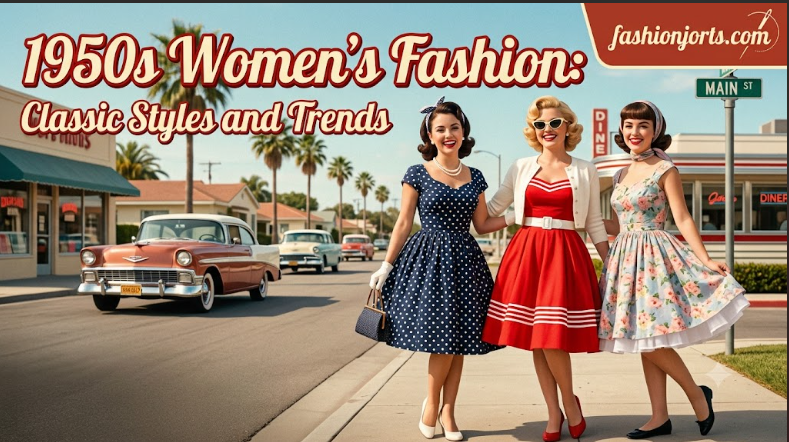
The most recognizable feature of 1950s fashion was the hourglass silhouette. Clothing was designed to highlight the waist while creating balanced proportions through fitted tops and carefully shaped skirts. This style gave women’s clothing a polished appearance that felt both elegant and structured. Full skirts, fitted bodices, and defined waistlines became common features in everyday dresses. Many women wore petticoats underneath skirts to add volume and movement, creating the classic shape associated with the decade. However, not every woman followed the same style. Some preferred softer, simpler outfits, while others embraced more fitted designs. The decade offered a variety of choices depending on personality, age, and occasion.
How Christian Dior Changed 1950s Fashion
Christian Dior’s influence shaped much of the decade’s fashion direction. His famous “New Look,” introduced in 1947, continued to define women’s clothing during the early 1950s by bringing back dramatic silhouettes and luxurious details. The style featured narrow waists, rounded shoulders, and long flowing skirts. It represented a move away from the practical and restricted clothing common during World War II, creating a renewed interest in elegance and craftsmanship. Dior’s designs influenced not only luxury fashion houses but also everyday clothing manufacturers. Women who could not afford couture pieces could still wear dresses inspired by the same shapes and ideas.
The Most Popular Dresses of the 1950s
Dresses were central to women’s wardrobes during the decade. They were worn for everyday activities, social gatherings, and special occasions.
Fit-and-Flare Dresses
The fit-and-flare dress became one of the most recognizable styles of the 1950s. It featured a fitted upper section with a skirt that widened from the waist. These dresses were popular because they created a flattering shape while allowing freedom of movement. Floral prints, polka dots, and bright colors made them especially appealing for daytime wear. Today, the fit-and-flare style remains one of the easiest ways to capture a vintage-inspired look without appearing outdated.
Shirtwaist Dresses
Shirtwaist dresses combined comfort with a neat, feminine appearance. Inspired by men’s shirts, these dresses often included collars, buttons, and a fitted waist. They were practical enough for daily activities but still looked polished. Many women wore them for shopping, social events, and casual work environments.
Pencil Skirts and Slim Silhouettes
The 1950s was not only about large skirts. Pencil skirts became increasingly popular, especially among working women and those who preferred a more sophisticated appearance. These skirts followed the body’s natural shape and were often paired with fitted blouses, jackets, or sweaters. They created a confident style that became closely connected with professional fashion.
Everyday Clothing in the 1950s
Although glamorous dresses are often associated with the decade, everyday clothing was usually practical and comfortable. Women commonly wore simple cotton dresses, cardigan sweaters, skirts, and blouses. Casual fashion focused on looking neat and feminine while remaining suitable for daily life. Capri pants also gained popularity during this period. They offered a more relaxed alternative to dresses and skirts, especially among younger women. Paired with fitted tops or casual sweaters, they created a youthful and stylish appearance.
Colors, Fabrics, and Patterns That Defined the Era
1950s clothing was known for its variety of colors and patterns. Designers used fashion to create optimism and personality after years of wartime restrictions.
Popular patterns included:
- Floral designs
- Polka dots
- Plaid
- Stripes
- Abstract prints
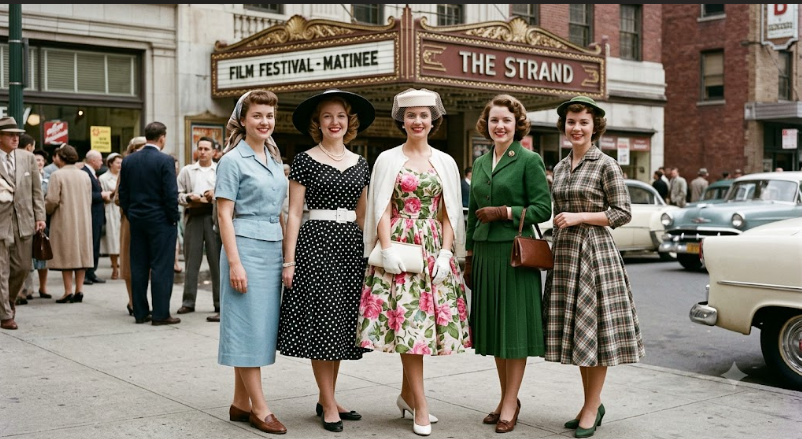
Pastel shades such as pink, blue, yellow, and green were common, while stronger colors like red and black were used for more dramatic looks. Cotton became popular for everyday clothing because it was comfortable and easy to care for. Silk, satin, and wool were often used for formal and seasonal garments.
Accessories That Completed the 1950s Look
Accessories were an important part of women’s fashion during the decade. Outfits were often carefully coordinated from head to toe. Gloves were commonly worn for formal occasions, while hats remained an important fashion choice for many women. Small structured handbags, pearl jewelry, scarves, and brooches added extra refinement to simple outfits. Shoes also played a key role. Women often wore pumps, ballet flats, or low heels that complemented their dresses and skirts.
Hairstyles and Beauty Trends of the 1950s
Fashion in the 1950s extended beyond clothing. Hair and makeup were essential parts of creating the polished appearance associated with the decade. Popular hairstyles included soft curls, short waves, ponytails, and carefully styled updos. Many women spent significant time creating neat, controlled hairstyles. Beauty trends focused on defined features. Red lipstick, shaped eyebrows, and carefully applied eyeliner became signature elements of the era’s makeup style.
Hollywood’s Influence on Women’s Fashion
Hollywood helped spread 1950s fashion trends around the world. Movie stars became style inspirations, and audiences looked to actresses for ideas about clothing, hairstyles, and beauty. Audrey Hepburn represented a more refined and youthful approach to fashion, while Marilyn Monroe became associated with glamorous curves and feminine confidence. Grace Kelly was admired for her elegant and sophisticated style. Their influence helped make certain silhouettes and beauty trends popular beyond the film industry.
Teenage Fashion and Changing Style Culture
The 1950s also introduced a stronger focus on teenage fashion. Young women began developing their own style identity rather than simply following adult trends. Popular teenage looks included full skirts, sweaters, saddle shoes, ponytails, and casual outfits inspired by popular culture. This shift marked the beginning of youth fashion becoming a major force in the clothing industry.
How to Create a Modern 1950s-Inspired Look
A modern interpretation of 1950s fashion does not require wearing a complete vintage outfit. Many people combine classic elements with contemporary clothing. A simple approach could include a high-waisted skirt, fitted blouse, vintage-style dress, classic shoes, or pearl accessories. The goal is to capture the elegance of the era while keeping the outfit comfortable and personal. The most successful vintage-inspired looks focus on shape, quality, and styling rather than copying every detail.
Common Misconceptions About 1950s Women’s Fashion
One common misconception is that all women dressed in glamorous dresses every day. In reality, many women wore practical clothing suited to their routines, including simple dresses, casual pants, and comfortable separates. Another misconception is that 1950s fashion was only about tradition. The decade also introduced new ideas, youth culture, and changing attitudes toward personal style. The fashion of the period was diverse, reflecting different lifestyles and social changes.
Why 1950s Fashion Remains Popular Today
The lasting appeal of 1950s women’s fashion comes from its balance between elegance and individuality. The decade produced clothing styles that emphasized craftsmanship, flattering shapes, and thoughtful details. Modern designers continue to borrow elements from the era because these designs feel timeless rather than temporary. Whether through a vintage dress, a structured handbag, or a classic hairstyle, the influence of the 1950s remains visible in fashion today.
Conclusion
1950s women’s fashion remains one of the most recognizable periods in style history because it combined beauty, structure, and personal expression. The decade created designs that celebrated confidence while offering clothing for different lifestyles and occasions. From Dior’s dramatic silhouettes to everyday dresses worn by millions of women, the era represented a shift toward polished and thoughtful dressing. Its influence continues because many of its styles still feel elegant and wearable. For anyone interested in vintage fashion, the 1950s offers more than a look from the past. It provides inspiration for creating outfits that feel classic, refined, and uniquely personal.