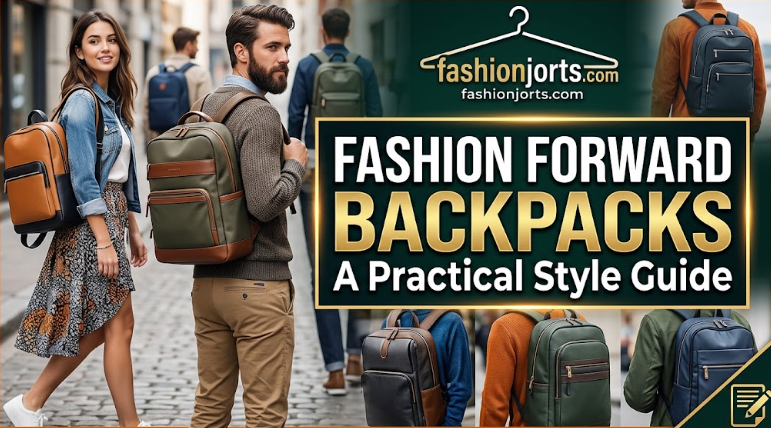
A backpack can be practical without looking ordinary. The right design adds character to an outfit, keeps daily essentials organized, and works across different settings, from a morning commute to a weekend coffee run. Modern styles range from clean leather designs to relaxed canvas bags and lightweight options with sporty details. Choosing a fashionable backpack comes down to more than appearance. Material, size, comfort, and versatility all affect how useful a bag will be over time. Understanding these details can help you find a design that matches your personal style without compromising everyday convenience.
What Makes a Backpack Fashion-Forward?
A fashion-forward backpack has a considered design that complements contemporary clothing. It might feature an unusual shape, attractive texture, understated hardware, or a color that makes a simple outfit more interesting. The difference often lies in the details rather than an expensive label. Some people prefer structured bags with clean edges, while others gravitate toward soft shapes and casual fabrics. Neither approach is inherently better. A good design reflects the wearer’s preferences and fits naturally into their daily routine. Function also matters. A stylish bag becomes less appealing if its straps dig into the shoulders or its compartments cannot accommodate basic necessities. The best choice brings appearance and practicality together.
Popular Backpack Styles Worth Considering
Minimalist Leather Backpacks
Leather backpacks suit people who prefer a refined appearance. Their smooth surfaces and structured shapes pair well with tailored trousers, button-down shirts, and smart-casual clothing. Black and dark brown are particularly useful colors for wardrobes built around neutral shades. Before buying, check the quality of the stitching, lining, zippers, and strap attachments. Leather requires some care, and different finishes respond differently to moisture and cleaning products. Faux leather can offer a similar visual effect at a lower price, although durability varies by construction.
Casual Canvas Backpacks
Canvas backpacks have a relaxed character that works well with everyday clothing. They complement denim, cotton shirts, sneakers, and lightweight jackets without making an outfit feel overly formal. Their appeal often comes from simplicity. A plain canvas bag can work for years if its construction is sound and its design is not tied too closely to a passing trend. Check the seams and base, especially if you intend to carry books or other heavy items.
Lightweight Nylon Backpacks
Nylon is a practical option for people who spend much of the day moving between places. These bags are often lightweight and may include several compartments for electronics, chargers, water bottles, and other essentials. A streamlined design can look polished enough for commuting, while a sportier version suits casual outfits. Pay attention to the manufacturer’s weather-resistance claims, since water-resistant fabric does not necessarily mean every zipper and seam is waterproof.
Compact Backpacks
Smaller backpacks provide an alternative to handbags for people who carry only a few essentials. They can complement dresses, casual trousers, and simple weekend outfits without adding unnecessary bulk. Capacity is the main limitation. Check the measurements before ordering, particularly if you need room for sunglasses, a small tablet, or a reusable bottle. Product photographs can make a bag appear larger or smaller than it actually is.
How to Choose a Backpack That Matches Your Wardrobe
Start by looking at the clothes you wear most frequently. If your wardrobe includes tailored pieces and neutral colors, a structured backpack may fit naturally into your existing outfits. If you prefer relaxed clothing, canvas, nylon, and softer silhouettes may be more suitable. Color can make the decision easier. Black works with many combinations, while brown and beige create warmer outfits. Navy and olive offer alternatives for people who want something different without choosing a bright statement shade. Think about how often you plan to use the bag, too. A backpack for daily commuting needs to accommodate regular essentials and remain comfortable for extended periods. A smaller bag for occasional outings can prioritize shape and appearance because it does not need to carry as much.
Practical Features That Matter
A backpack should make carrying your belongings easier. Adjustable shoulder straps help you find a comfortable fit, while a padded back panel may improve comfort when the bag is worn for long periods. If you carry a laptop, check the compartment dimensions and padding rather than relying on the product name alone. Organization is another important consideration. Separate pockets can keep keys, chargers, documents, and personal items accessible without forcing you to search through the main compartment. However, extra pockets are useful only when their placement suits your routine. Construction deserves attention before purchase. Inspect the zippers, seams, base panel, and points where the straps connect to the bag. These areas experience regular stress, especially when the backpack is heavily loaded.
How to Style a Backpack for Different Occasions
For a casual day out, pair a simple backpack with straight-leg jeans, a plain T-shirt, and comfortable sneakers. The combination works because the bag supports the outfit rather than competing with it. A contrasting color can add interest without requiring additional accessories. For work, choose a more structured design and coordinate it with trousers, a shirt, or a lightweight blazer. Minimal branding and discreet hardware can create a more professional appearance. Make sure the backpack suits your workplace, particularly if you regularly attend formal meetings. For travel, prioritize secure closures, comfortable straps, and accessible storage. A medium-sized backpack may provide enough space for daily essentials while remaining easier to manage than a bulky bag. If you intend to take it on a flight, check your airline’s current baggage requirements before leaving home.
Common Mistakes to Avoid When Buying a Backpack
One common mistake is choosing a bag solely because it looks attractive in photographs. Images rarely communicate weight, strap comfort, interior dimensions, or material quality accurately. Reading product specifications and checking return conditions can reduce the risk of an unsuitable purchase. Another mistake is buying a size that does not match your needs. An oversized backpack may feel cumbersome when carrying only a phone and wallet, while a small design can become frustrating if you need to carry a laptop and several accessories. It is also easy to overlook maintenance. Suede may require more protection than nylon, and some leather finishes need specific cleaning products. Choose a material you can care for properly rather than one that becomes difficult to maintain after a few weeks.
Conclusion
A good backpack should suit your personal style while making everyday tasks more convenient. The right choice depends on how you dress, what you carry, and where you intend to use it. Take time to compare the construction, comfort, size, and material before making a decision. A thoughtfully chosen bag can remain useful long after a particular trend has passed. Instead of looking for the most eye-catching design, choose one that feels natural in your wardrobe and works for your daily routine. That balance is what makes a backpack worth carrying.