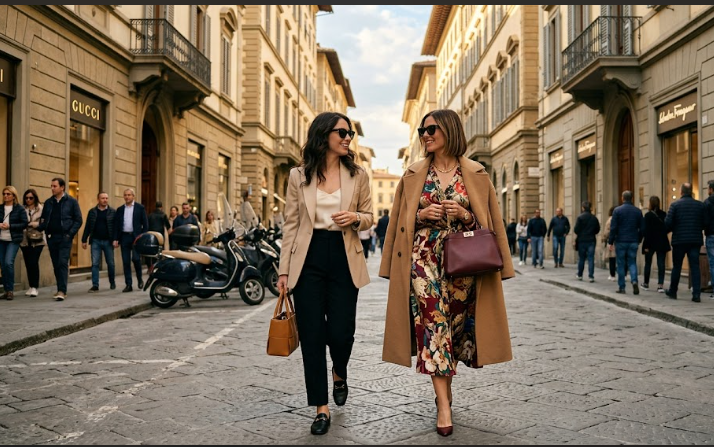
Italian fashion has a reputation that reaches far beyond luxury labels and designer runways. It represents a careful approach to dressing where quality, confidence, and personal expression matter more than simply following trends. From perfectly tailored suits to effortless everyday outfits, Italian style is built around the idea that clothing should feel natural, comfortable, and beautifully made. What makes Italian fashion so admired is the balance between tradition and modern taste. It respects old craftsmanship while continuing to evolve with changing lifestyles. Whether someone thinks about Milan’s fashion scene, Florence’s artisan workshops, or the relaxed elegance found on Italian streets, the same principles appear again and again: quality materials, thoughtful design, and attention to detail.
The Story Behind Italian Fashion
Italy’s connection with fashion developed through centuries of art, craftsmanship, and textile production. Cities such as Florence and Venice became known for skilled artisans who created fine fabrics, leather goods, and beautifully crafted garments. After the Second World War, Italy began building a stronger presence in international fashion. Designers and manufacturers created a new identity based on creativity and excellent workmanship. Italian fashion gradually moved from being associated mainly with traditional tailoring to becoming a global force influencing clothing, accessories, and luxury markets. The growth of Milan as a fashion center helped Italy establish its place among the world’s most important style capitals. Today, Italian fashion represents both historic craftsmanship and modern creativity.
What Makes Italian Style So Recognizable?
Italian style is often admired because it looks polished without appearing overly complicated. Many Italian outfits rely on simple pieces that work together rather than depending on excessive patterns, logos, or decorations. A well-fitted jacket, a quality pair of shoes, a classic shirt, and carefully chosen accessories can create a strong appearance. The focus is usually on how clothing fits the person rather than how much attention the clothing attracts. Italian fashion also values versatility. A single high-quality piece can often be styled in different ways, making it useful beyond one season or occasion.
The Importance of Fit and Tailoring
One of the strongest characteristics of Italian clothing is the attention given to fit. Italian tailoring traditionally focuses on creating garments that follow the natural shape of the body while allowing movement and comfort. A suit, for example, is not only about fabric or design. The shoulder structure, sleeve length, and overall proportions influence how the entire outfit appears. This careful approach to construction is why Italian tailoring has remained respected around the world. The same principle applies to casual clothing. Even simple items like trousers, coats, and shirts often receive attention to shape and proportion.
Milan’s Influence on Modern Fashion
Milan is widely considered the center of contemporary Italian fashion. The city combines creativity, business, and manufacturing, making it an important destination for designers, buyers, and fashion professionals. Unlike some fashion cities that are known mainly for experimental designs, Milan has developed a reputation for sophisticated clothing that can move between professional settings and everyday life. The Milanese approach often includes clean silhouettes, elegant colors, quality fabrics, and clothing that feels refined without being uncomfortable. It reflects a modern lifestyle where people want fashion that looks good and works practically.
Florence and the Tradition of Italian Craftsmanship
Florence represents another important side of Italian fashion. The city is closely connected with handmade production, especially leather craftsmanship and traditional artisan skills. Many Italian leather products are valued because of the time and expertise involved in making them. Skilled workers often combine traditional methods with modern techniques to create products designed for long-term use. Florence shows that Italian fashion is not only about famous names. It is also about the people behind the products and the skills passed through generations.
Designers Who Shaped Italian Fashion
Italian fashion has been influenced by designers who brought different ideas and personalities to the industry.
Giorgio Armani’s Influence on Modern Elegance
Giorgio Armani changed the perception of traditional tailoring by introducing softer shapes and more relaxed designs. His approach created clothing that looked sophisticated while allowing greater comfort. His work helped define a style of luxury that feels calm and confident rather than excessive.
Valentino’s Romantic Approach to Couture
Valentino became known for elegant gowns, refined details, and a strong connection with classic beauty. His designs represent the artistic side of Italian fashion, where clothing becomes a form of expression.
Gianni Versace’s Bold Vision
Gianni Versace introduced a more dramatic style through bright colors, striking patterns, and glamorous designs. His work connected fashion with entertainment and celebrity culture.
Prada’s Modern Perspective
Prada brought a different idea of luxury by combining traditional fashion with unusual materials and unexpected concepts. The brand became known for designs that challenge conventional ideas about beauty and style.
Italian Fashion Brands and Their Global Impact
Italian fashion houses have influenced how people understand luxury around the world. Brands such as Gucci, Prada, Armani, Valentino, Fendi, and Bottega Veneta have built international recognition through distinctive identities and strong craftsmanship. Each brand offers a different interpretation of Italian design. Some focus on heritage and tradition, while others explore modern ideas and changing consumer preferences. Their success shows how Italian fashion continues to adapt while maintaining its connection with quality and creativity.
How to Create an Italian-Inspired Wardrobe
Adopting Italian style does not require a closet full of designer clothing. The foundation is choosing pieces carefully and focusing on quality rather than quantity. A simple Italian-inspired wardrobe may include classic shirts, comfortable trousers, leather shoes, structured jackets, and timeless outerwear. Neutral colors such as black, white, beige, navy, and grey are often used because they allow different pieces to work together. The most important element is confidence. Italian style is less about copying a specific outfit and more about understanding what suits your personality and lifestyle.
The Future of Italian Fashion
Italian fashion continues to change as customers become more interested in sustainability, responsible production, and long-lasting clothing. Many brands are exploring better materials and production methods while protecting traditional craftsmanship. The future of Italian fashion will likely depend on maintaining the connection between handmade quality and modern expectations. Consumers increasingly want products that have meaning, durability, and a story behind them.
Common Misunderstandings About Italian Fashion
Many people assume Italian fashion is only about luxury brands and expensive clothing. In reality, the principles behind Italian style can be applied at any budget. Another misunderstanding is that Italian fashion always means formal dressing. Modern Italian style also includes casual clothing, relaxed tailoring, and comfortable pieces designed for everyday life. The true foundation is not price. It is care, fit, and thoughtful selection.
Conclusion
Italian fashion has remained influential because it combines creativity with discipline. It values clothing that is carefully designed, well made, and connected to the person wearing it. While trends continue to change, the ideas behind Italian style remain consistent: choose quality, understand fit, and wear clothing with confidence. The lasting appeal of Italian fashion comes from its ability to make elegance feel natural. It is not simply about what someone wears, but how thoughtfully they choose and present it.