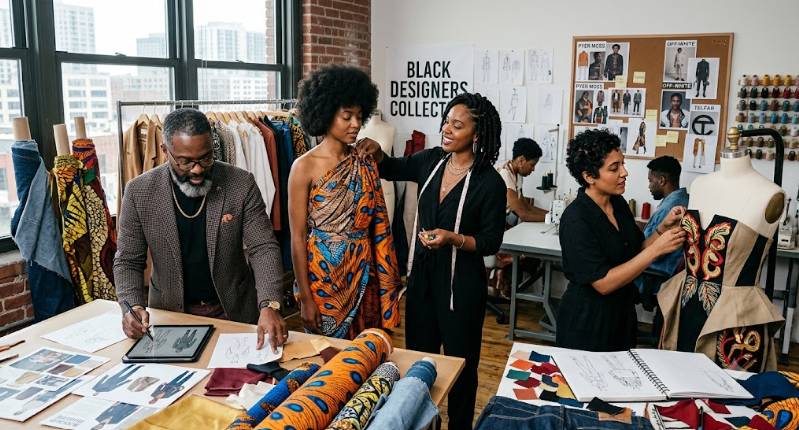
Fashion is often remembered through famous labels, iconic collections, and unforgettable runway moments. But behind many of the styles that define modern clothing are designers whose creativity changed how people think about fashion itself. Black fashion designers have introduced new aesthetics, challenged industry traditions, and created designs that reflect culture, identity, and personal expression. From handmade couture gowns to streetwear that influenced global brands, Black designers have shaped nearly every part of fashion. Their work represents more than clothing; it reflects stories, communities, and ideas that continue to influence how people dress today.
The History and Influence of Black Fashion Designers
Black designers have contributed to fashion for generations, even when they were not always given equal recognition. Many worked in an industry where opportunities, financial support, and access to major platforms were difficult to achieve. Despite these barriers, designers created their own paths and developed styles that later became widely celebrated. Some brought attention to craftsmanship and luxury, while others introduced new approaches to streetwear, casual clothing, and inclusive fashion. Their influence can be seen in modern trends such as bold colors, relaxed silhouettes, gender-neutral designs, and the connection between music, culture, and clothing. The impact of these designers is not limited to fashion shows; it appears in everyday style around the world.
Ann Lowe: The Pioneer of American Couture
Ann Lowe was one of the earliest Black designers to gain recognition among America’s wealthy families. Born in Alabama in 1898, she learned dressmaking from her family and developed exceptional skills in creating detailed custom gowns. Her work became known for elegant designs, careful construction, and attention to detail. One of her most famous creations was the wedding dress worn by Jacqueline Kennedy in 1953 when she married John F. Kennedy. Although Lowe created clothing for some of the country’s most influential families, she faced discrimination that limited her public recognition. Today, fashion historians recognize her as a talented designer who helped shape American couture.
Dapper Dan: The Designer Who Changed Streetwear
Dapper Dan transformed fashion by bringing Harlem street culture into the spotlight. During the 1980s, his boutique became a meeting point for musicians, athletes, and artists looking for custom clothing that represented confidence and individuality. His designs mixed luxury-inspired patterns with hip-hop style, creating a visual identity that matched the energy of the era. He understood that clothing could represent success, creativity, and cultural pride. Dapper Dan’s influence can still be seen in the relationship between luxury brands and streetwear today. His career proved that important fashion movements can come from communities outside traditional fashion centers.
Virgil Abloh: A New Direction for Luxury Fashion
Virgil Abloh became one of the most recognized designers of his generation by changing the conversation around luxury clothing. Through his brand Off-White, he combined streetwear, art, architecture, and contemporary culture. His designs introduced a different perspective on what luxury could look like. Sneakers, graphic elements, and everyday influences became part of conversations usually dominated by formal fashion traditions. In 2018, Abloh became the artistic director of menswear at Louis Vuitton, becoming the first Black person to hold that position. His career showed that modern fashion could connect different creative fields and audiences.
Telfar Clemens: Making Fashion More Accessible
Telfar Clemens built a brand that questioned traditional ideas of luxury. His label, Telfar, became known for simple yet recognizable designs, especially the popular Telfar Shopping Bag. The brand gained attention because it focused on accessibility rather than exclusivity. Clemens created clothing and accessories designed for a wide audience without limiting fashion to a specific group. Telfar’s success changed how many people view modern fashion brands. It showed that strong community connections and clear values can be just as important as traditional luxury marketing.
Christopher John Rogers: Celebrating Color and Individuality
Christopher John Rogers is known for creating expressive clothing with dramatic shapes, rich colors, and strong visual impact. His designs combine classic tailoring with a modern sense of confidence. His collections have attracted attention from celebrities, public figures, and fashion critics because they feel both elegant and personal. Rogers represents a generation of designers who use clothing to celebrate individuality. His success also highlights the growing presence of Black designers in major fashion conversations.
Kerby Jean-Raymond: Connecting Fashion With Culture
Kerby Jean-Raymond, founder of Pyer Moss, approaches fashion as a way to tell stories. His collections often explore Black history, creativity, and cultural experiences. Rather than focusing only on appearance, his designs encourage audiences to think about the meaning behind clothing. His work has helped bring cultural discussions into major fashion spaces. Pyer Moss demonstrates how fashion can communicate ideas and preserve important stories while still creating visually powerful collections.
Willi Smith: Making Fashion More Everyday
Willi Smith changed American fashion by focusing on clothing that felt comfortable, modern, and practical. His brand WilliWear became popular because it offered stylish pieces that everyday people could actually wear. At a time when fashion often focused on formal luxury, Smith created designs that reflected real lifestyles. His approach helped influence the growth of casual fashion. His work remains an important example of how accessibility and creativity can exist together.
The New Generation of Black Fashion Designers
Today, a new generation of Black designers continues to expand the possibilities of fashion. Designers such as Aurora James, Anifa Mvuemba, and others are exploring areas such as sustainability, technology, and new approaches to fashion business. These creators are not only designing clothing but also building brands with strong identities and clear messages. They are changing how fashion connects with customers and communities. The future of fashion will continue to be shaped by designers who bring different experiences, backgrounds, and creative perspectives into the industry.
How Black Designers Continue to Shape Global Style
The influence of Black fashion designers can be seen in many areas of modern clothing. Streetwear has become a major part of luxury fashion, cultural references are more visible in design, and conversations about representation have become central to the industry. Their contributions have expanded the definition of fashion by showing that style is connected to history, music, art, and personal identity. Fashion continues to grow because designers bring new ideas into the conversation. Black designers have been and remain a major force behind that evolution.
Conclusion
Black fashion designers have changed the industry by introducing new ideas, challenging expectations, and creating styles that reflect culture and individuality. Their work has influenced everything from luxury collections to everyday clothing. Their stories also show that fashion is shaped by many voices, not just the most visible names. Creativity often grows from different experiences and perspectives. As the industry continues to change, Black designers will remain an important part of fashion’s future, bringing fresh ideas and meaningful stories to audiences around the world.