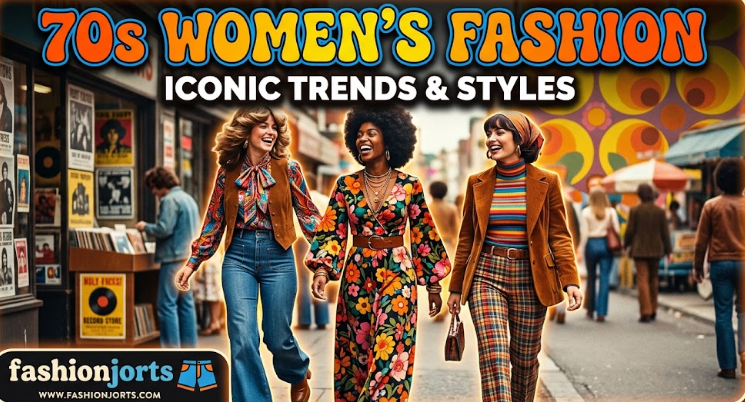
The 1970s gave women’s fashion a new sense of freedom. It was a decade where personal style mattered more than strict rules, allowing women to experiment with different looks, fabrics, and silhouettes. From relaxed bohemian outfits to glamorous disco clothing, 70s fashion reflected a generation that wanted comfort, confidence, and individuality. Unlike earlier decades that were often defined by one dominant appearance, the 1970s offered many fashion identities at once. A woman could embrace a natural, earthy style during the day and wear a bold, sparkling outfit at night. This flexibility made 70s women’s fashion one of the most memorable periods in clothing history.
How 70s womens fashion Became a Symbol of Self-Expression
The fashion of the 1970s developed during a period of major cultural and social change. Women were exploring new opportunities in education, careers, and everyday life, and clothing began to reflect that independence. Fashion became less about following expectations and more about creating a personal image. Comfort also became a major priority. Women wanted clothing that allowed movement while still looking stylish. This shift helped popularize trousers, relaxed dresses, natural fabrics, and versatile pieces that could be worn in different settings.
Bohemian Fashion Defined the Early 1970s
The early years of the decade were strongly influenced by bohemian and free-spirited styles. Many women embraced clothing inspired by nature, travel, and handmade craftsmanship. Flowing maxi dresses, embroidered tops, long skirts, crochet details, and suede jackets became popular choices. These pieces often featured floral patterns, earthy shades, and loose shapes that created a relaxed appearance. The bohemian style was about more than clothing. Accessories such as layered necklaces, scarves, wide belts, and leather bags helped women create a complete look that felt creative and personal.
Bell Bottom Jeans Became a Fashion Essential
Bell-bottom jeans were one of the most recognizable pieces of 70s womens fashion. The design featured a fitted upper section with a wide flare from the knee downward, creating a dramatic shape that became closely associated with the decade. Women wore bell bottoms with everything from simple cotton shirts to elegant blouses. Denim became more accepted as fashionable everyday clothing, moving beyond its traditional workwear image. The popularity of flared jeans showed how casual clothing could become stylish and expressive. Even today, the silhouette continues to return in modern fashion collections.
Disco Fashion Brought Glamour and Confidence
The second half of the 1970s introduced a completely different style direction through disco culture. Nightlife and dance music influenced women’s clothing, creating outfits designed to attract attention and move comfortably. Disco fashion included shimmering dresses, jumpsuits, satin fabrics, halter tops, and wide-leg trousers. Metallic colors and sparkling details became popular for evening wear. This style represented confidence and celebration. Women used fashion to create bold looks that matched the energy of dance floors and social events.
The Popularity of Women’s Pantsuits
The 1970s changed the way women approached professional clothing. Pantsuits became an important part of women’s wardrobes because they offered a modern alternative to traditional office outfits. Tailored jackets, wide-leg trousers, and coordinated sets created a polished appearance while allowing women more freedom and comfort. These outfits showed that professional fashion could be both practical and stylish. The popularity of pantsuits also reflected changing ideas about women’s roles in workplaces and society.
Dresses That Defined the 70s Era
Dresses remained an important part of women’s fashion throughout the decade. However, the designs became more relaxed and varied compared with previous years. Maxi dresses offered a flowing and elegant look, while wrap dresses provided a comfortable style that worked for different body types. Prairie dresses brought romantic details such as lace and ruffles, while halter dresses became popular for evening occasions. The variety of dress styles allowed women to choose clothing based on mood, lifestyle, and personal taste.
Colors, Patterns, and Fabrics of 70s Clothing
The 1970s were known for strong colors and eye-catching patterns. Designers experimented with different textures and materials, creating clothing that felt unique and expressive. Warm shades such as brown, mustard yellow, orange, and olive green were common during the decade. Floral prints, geometric designs, paisley patterns, and stripes appeared across dresses, shirts, and jackets. Fabrics also changed during this period. Polyester became widely used because it was affordable, durable, and easy to maintain, making fashionable clothing more accessible.
Shoes and Accessories That Completed the Look
Accessories played a major part in 70s fashion. Women often used bold pieces to add personality to simple outfits. Platform shoes became one of the decade’s most famous footwear trends. They were worn with jeans, dresses, and disco outfits, creating a dramatic finishing touch. Large sunglasses, statement earrings, scarves, wide belts, and oversized handbags also became popular. These details helped create the unmistakable appearance of the era.
Hairstyles and Beauty Trends of the 1970s
Hair and makeup were essential parts of the 70s fashion identity. Many women preferred natural-looking styles that matched the relaxed attitude of the decade. Long layered hair, soft waves, shag cuts, and feathered hairstyles became widely recognized looks. The feathered hairstyle gained particular attention after being worn by celebrities and became one of the most copied styles of the period. Makeup trends focused on a fresh appearance with natural tones, defined eyes, and warm shades that complemented the popular clothing colors.
How 70s Women’s Fashion Influences Modern Style
Many elements of 1970s fashion continue to appear today because the decade introduced styles that are easy to adapt. Designers often revisit flared jeans, platform shoes, vintage prints, and relaxed silhouettes. Modern fashion usually combines 70s inspiration with updated materials and simpler designs. Instead of recreating the decade exactly, designers borrow key elements and make them suitable for contemporary wardrobes. The continued popularity of these trends shows that the appeal of 70s fashion comes from its focus on personality and freedom.
Conclusion
70s womens fashion represented a period of exploration and change. It allowed women to move between different styles, from natural bohemian clothing to glamorous disco outfits and confident professional wear. The decade’s biggest contribution was the idea that fashion could be personal. Women were no longer limited to one expected appearance; they could choose clothing that matched their lifestyle and identity. Decades later, the influence of 70s fashion remains strong because its most important message still feels relevant: style is a way to express who you are.