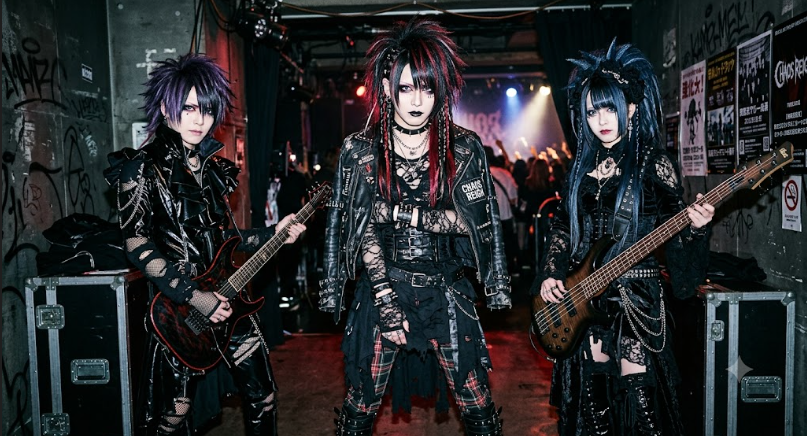
Visual Kei fashion is a Japanese alternative style that transformed clothing into a form of artistic expression. Recognized for dramatic hairstyles, striking makeup, detailed outfits, and a strong connection to rock music, it allows people to create a visual identity that goes beyond ordinary fashion rules. Unlike many trends that focus on following a particular look, Visual Kei encourages experimentation. A person wearing this style may appear gothic, elegant, rebellious, futuristic, or colorful depending on the mood they want to express. Its appeal comes from the freedom to combine different influences and create something personal.
What Is Visual Kei Fashion?
Visual Kei fashion developed from Japan’s rock music scene during the 1980s. The movement became known for musicians who treated their appearance as part of their performance, using clothing, makeup, and hairstyles to strengthen their artistic image. The term “Visual Kei” refers to the importance of visual presentation. The style is not limited to one type of clothing or one color palette. Some looks are dark and mysterious, while others are bright, romantic, or inspired by historical fashion. At its core, Visual Kei is about creating a memorable appearance. The clothing is not simply worn for decoration; it helps communicate personality, emotions, and creativity.
The History Behind Visual Kei Style
Visual Kei grew alongside Japanese rock and metal bands in the 1980s. Artists began experimenting with dramatic costumes, theatrical makeup, and unusual hairstyles influenced by glam rock, punk, and heavy metal scenes. Bands such as X Japan helped bring attention to this approach by combining powerful music with unforgettable stage appearances. During the 1990s, Visual Kei expanded further as more bands developed their own visual identities. Over time, the style moved beyond musicians and became part of Japanese street fashion culture. Fans began adopting elements of the look, creating their own versions through clothing, makeup, and accessories.
The Key Features of Visual Kei Fashion
Dramatic Hairstyles
Hair is one of the most recognizable parts of Visual Kei. Many styles focus on creating a strong silhouette rather than a natural appearance. Common choices include layered cuts, teased volume, asymmetrical shapes, long bangs, and unusual colors. Some people prefer bright shades like red, blue, or silver, while others choose darker tones for a more gothic appearance. The hairstyle often works as the foundation of the entire outfit because it immediately creates a specific mood.
Statement Makeup
Makeup plays an important role in Visual Kei because it helps create a character or atmosphere. Heavy eyeliner, bold eye shadows, pale foundations, and artistic details are frequently used. Some styles focus on elegance and beauty, while others create a darker or more dramatic effect. The purpose is not simply to improve appearance but to make a visual statement.
Layered and Detailed Clothing
Visual Kei outfits often combine different textures and shapes. Leather, lace, velvet, metal details, and flowing fabrics are commonly mixed together. Popular clothing choices include fitted jackets, long coats, platform boots, corsets, decorative shirts, and statement accessories. Many outfits borrow ideas from gothic fashion, punk culture, Victorian clothing, and rock performance wear. The result is usually a look that feels carefully designed rather than casually assembled.
Different Styles Within Visual Kei Fashion
Visual Kei has developed into several different styles, each with its own mood and personality.
Kote Kei
Kote Kei represents one of the older forms of Visual Kei. It is known for dramatic makeup, large hairstyles, dark clothing, and highly theatrical outfits.
This style focuses on creating a powerful stage presence with strong visual impact.
Oshare Kei
Oshare Kei offers a brighter and more playful interpretation. Instead of focusing mainly on dark colors, it often includes colorful clothing, cute accessories, patterns, and youthful styling. It shows that Visual Kei can be energetic and cheerful while still maintaining individuality.
Gothic Visual Kei
Gothic-inspired Visual Kei combines dark romantic elements with traditional alternative fashion. It often includes black clothing, lace details, elegant coats, and Victorian influences. This version of the style appeals to people who enjoy a mysterious and sophisticated appearance.
Tanbi Kei
Tanbi Kei focuses on beauty, elegance, and fantasy. Inspired by aristocratic and historical fashion, it often features detailed jackets, decorative fabrics, and romantic styling. The goal is to create an elegant and almost fictional appearance.
Why Visual Kei Fashion Became Popular
One reason Visual Kei attracted so many followers is that it challenged traditional ideas about appearance. It gave people permission to experiment with clothing, makeup, and identity without needing to follow common fashion expectations. The style also created a connection between performers and fans. Supporters were not only listening to music; they were engaging with a complete visual experience. For many people, Visual Kei became a way to express feelings and personality that everyday clothing could not represent.
Visual Kei Fashion and Gender Expression
Visual Kei has often been recognized for its flexible approach to appearance. Many artists have used clothing and makeup in ways that do not follow traditional ideas about masculine or feminine fashion. Men wearing makeup, elaborate outfits, jewelry, or traditionally feminine clothing became a visible part of the scene. This helped create a space where personal style mattered more than strict fashion categories. However, Visual Kei does not represent one specific identity. Different artists and fans interpret the style in their own ways.
How to Wear Visual Kei Fashion Today
Modern Visual Kei-inspired outfits do not need to copy the dramatic stage looks of musicians. Many people create everyday versions by combining a few key pieces. A leather jacket, dark trousers, boots, layered accessories, and styled hair can create a subtle interpretation. Others may prefer a more detailed outfit with lace, bold makeup, and statement pieces. The most important part is choosing elements that feel personal. Visual Kei has always been about creativity rather than following a strict formula.
The Global Influence of Visual Kei
Although Visual Kei began in Japan, its influence has spread internationally through music communities, online platforms, fashion groups, and alternative style movements. Elements of the aesthetic can be seen in gothic fashion, streetwear, cosplay communities, and experimental clothing designs. Its focus on individuality continues to attract people who want fashion to feel more expressive and artistic.
Common Misconceptions About Visual Kei Fashion
Some people assume Visual Kei is only about wearing black clothing and heavy makeup. While these elements are common, the style includes many different approaches, including colorful and elegant interpretations. Another misunderstanding is that Visual Kei is only a costume style. For many followers, it represents a genuine approach to creativity, music, and personal identity. The clothing is important, but the meaning behind the style is what makes it lasting.
Conclusion
Visual Kei fashion remains one of Japan’s most recognizable examples of clothing becoming a form of personal storytelling. It connects music, appearance, and creativity in a way that allows people to build unique identities. The style has changed throughout the years, but its main idea remains unchanged: fashion does not have to follow ordinary expectations. For anyone interested in alternative clothing, Visual Kei offers a reminder that style can be imaginative, emotional, and deeply personal. It is not only about what someone wears, but about the message they want their appearance to communicate.