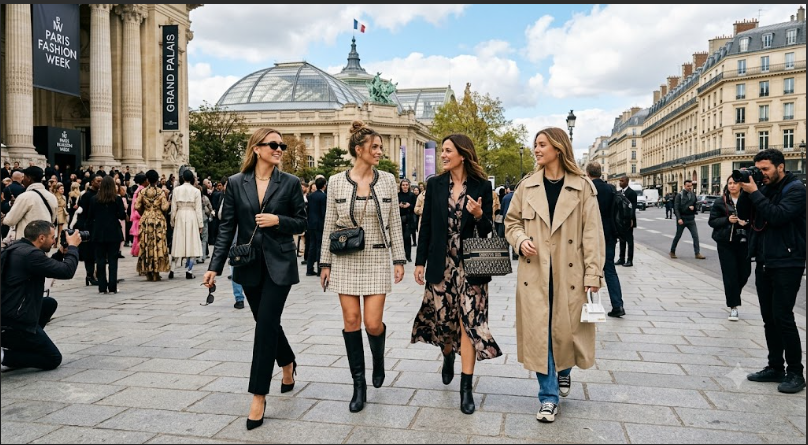
Paris fashion has always represented more than clothing. It reflects a way of thinking about beauty, individuality, and craftsmanship. For generations, Paris has been the place where designers have transformed fabric into art, created new ideas about personal style, and influenced the way people dress across the world. The appeal of Paris fashion comes from its balance between tradition and change. A Parisian look can be simple but carefully considered, classic but never outdated. From luxury runways to everyday street outfits, the city continues to inspire people who value confidence, quality, and effortless elegance.
Why Paris Became a Fashion Capital
Paris became a global fashion center because it developed a unique connection between creativity, skilled craftsmanship, and luxury design. The city created an environment where designers, artists, and artisans could work together to produce clothing that went beyond basic function. During the 19th century, Paris became known for custom-made clothing created for wealthy clients. Designers began gaining recognition as artists rather than simply makers of garments. This shift changed the fashion industry and helped establish the idea of fashion collections, designer labels, and seasonal trends. Over time, Paris attracted some of the most influential names in fashion. Designers used the city as a platform to introduce new silhouettes, challenge traditional ideas, and redefine what elegance could look like.
The History That Shaped Paris Fashion
The Rise of Haute Couture
Haute couture is one of the strongest foundations of Paris fashion. It focuses on creating exclusive garments made with exceptional attention to detail. These pieces often require skilled handwork, rare materials, and hours of craftsmanship. Unlike mass-produced clothing, couture is created as a form of artistic expression. Designers use these collections to experiment with shapes, techniques, and ideas that later influence wider fashion trends. Although fewer people wear couture pieces today, its influence remains important. It represents the highest level of creativity and preserves traditional fashion skills that might otherwise disappear.
How Coco Chanel Changed Fashion Forever
Coco Chanel transformed women’s fashion by moving away from restrictive clothing and introducing designs that felt more practical and modern. She believed elegance did not require excessive decoration and showed that simplicity could be powerful. Her designs introduced a new approach to luxury. Instead of focusing only on expensive materials, Chanel emphasized comfort, clean lines, and timeless appeal. Pieces associated with her vision, such as the little black dress, tailored jackets, and simple accessories, continue to influence designers and wardrobes around the world.
Christian Dior and the Return of Glamour
Christian Dior played a major role in rebuilding Paris fashion after World War II. His famous 1947 collection introduced a dramatic feminine silhouette that became known as the “New Look.” The collection emphasized structured shapes, defined waists, and elegant details. It captured public attention because it represented a return to beauty and luxury after years of hardship. Dior’s influence helped restore Paris as a leading fashion destination and proved that clothing could reflect cultural emotions and social changes.
Paris Fashion Week and Its Global Impact
Paris Fashion Week is one of the most recognized events in the fashion industry. Twice a year, designers present new collections that influence trends, buying decisions, and creative direction around the world. The event brings together established fashion houses, emerging designers, buyers, celebrities, and media professionals. However, its importance goes beyond celebrity appearances and runway shows. Paris Fashion Week acts as a meeting point for creativity and business. Designers use it to communicate their vision, while fashion professionals use it to discover future movements in style.
What Defines Parisian Style?
Parisian style is often admired because it appears natural rather than overly planned. Many Paris-inspired outfits focus on creating a polished appearance with a small number of carefully chosen pieces. A typical Paris wardrobe often includes classic items such as a trench coat, fitted blazer, simple shirt, quality denim, and elegant footwear. These pieces can be combined in different ways without becoming dependent on short-lived trends. The secret behind this style is not expensive clothing alone. It is understanding fit, balance, and personal expression. A simple outfit can appear sophisticated when it reflects confidence.
Famous Fashion Houses From Paris
Chanel
Chanel remains one of the most recognized names in luxury fashion. The brand continues to represent classic French elegance through clothing, accessories, and fragrance.
Dior
Dior is known for combining traditional craftsmanship with modern creativity. Its collections continue to influence luxury fashion and maintain a strong connection with Parisian heritage.
Louis Vuitton
Louis Vuitton began as a travel goods company before becoming a major fashion house. Today, it is recognized worldwide for its leather products, clothing, and accessories.
Hermès
Hermès is respected for its focus on craftsmanship and long-lasting luxury. The brand represents careful production and attention to detail.
Saint Laurent
Saint Laurent helped redefine modern fashion by introducing sharper tailoring and designs that challenged traditional ideas about women’s clothing.
Paris Street Fashion Beyond Designer Brands
Paris fashion is not limited to luxury boutiques or runway collections. The city’s streets have become an important source of inspiration for fashion lovers worldwide. Many Paris residents combine vintage pieces, affordable clothing, and designer accessories to create personal styles. This approach shows that fashion is not only about labels but also about creativity and confidence. Street style in Paris often values individuality. People are encouraged to develop their own appearance rather than copy every popular trend.
How Sustainability Is Changing Paris Fashion
The fashion industry is facing growing questions about waste, production methods, and environmental responsibility. Paris fashion is also adapting to these changes as designers explore more responsible approaches. Many brands are focusing on better materials, longer-lasting products, and improved production practices. Consumers are also becoming more interested in buying fewer pieces that can remain useful for years. This shift connects with an important idea already present in traditional French fashion: investing in quality rather than constantly replacing clothing.
The Future of Paris Fashion
Paris fashion continues to evolve while protecting the craftsmanship and creativity that built its reputation. New designers are bringing different perspectives, while established houses are exploring modern approaches to design. Technology, sustainability, and changing consumer habits will continue influencing the industry. However, the core identity of Paris fashion is unlikely to disappear. The city’s greatest strength has always been its ability to respect history while creating something new.
Conclusion
Paris fashion remains powerful because it represents more than appearance. It combines history, craftsmanship, creativity, and personal expression in a way that continues to attract attention worldwide. The city’s influence comes from its ability to create styles that feel both modern and timeless. While trends change quickly, the principles behind Paris fashion remain focused on quality, confidence, and individuality. For anyone interested in fashion, Paris offers a lasting lesson: true style is not about wearing the most expensive pieces but about understanding what makes clothing meaningful.