Fashion is often connected with trends, seasons, and what people choose to wear every day. Avant-garde fashion follows a different path. It challenges familiar ideas about clothing and treats garments as a form of creativity, storytelling, and personal expression.Unlike traditional fashion, which usually focuses on commercial appeal and everyday wearability, avant-garde fashion explores new shapes, unusual materials, and unexpected concepts. Some pieces may look dramatic or unconventional, but behind each design is usually a clear idea about culture, identity, art, or the future of clothing. For many designers, fashion is not only about making someone look attractive. It is about creating a reaction, starting a conversation, and showing that clothing can communicate something deeper than style.
What Is Avant-Garde Fashion?
Avant-garde fashion is an experimental approach to clothing design that moves away from traditional rules. The word “avant-garde” describes creators who push ahead of existing ideas and introduce new ways of thinking. In fashion, this can mean creating garments with unusual structures, oversized shapes, unexpected combinations, or designs that challenge normal expectations of beauty. An avant-garde piece may not be created for everyday use; instead, it may represent a concept, emotion, or artistic vision. The purpose is not simply to make clothing look strange. The strongest avant-garde designs have meaning behind their appearance. They encourage people to think about why clothing looks the way it does and how fashion influences the way we see ourselves.
How Avant-Garde Fashion Started
The roots of avant-garde fashion are connected to artistic movements that questioned traditional ideas during the 20th century. Artists in movements such as Surrealism and Dada rejected conventional approaches and searched for new forms of expression. Fashion designers began adopting similar ideas by experimenting with unusual silhouettes, unexpected materials, and creative construction methods. Designers started viewing clothing as more than functional objects; garments became a way to express imagination and challenge social expectations. During the late 20th century, Japanese designers played an important role in bringing experimental fashion into global attention. Designers such as Rei Kawakubo and Yohji Yamamoto introduced collections that looked different from Western fashion traditions, using loose structures, asymmetry, and unconventional proportions. Their work changed how the industry understood beauty, design, and the relationship between clothing and the human body.
The Key Elements of Avant-Garde Fashion
Unusual Shapes and Silhouettes
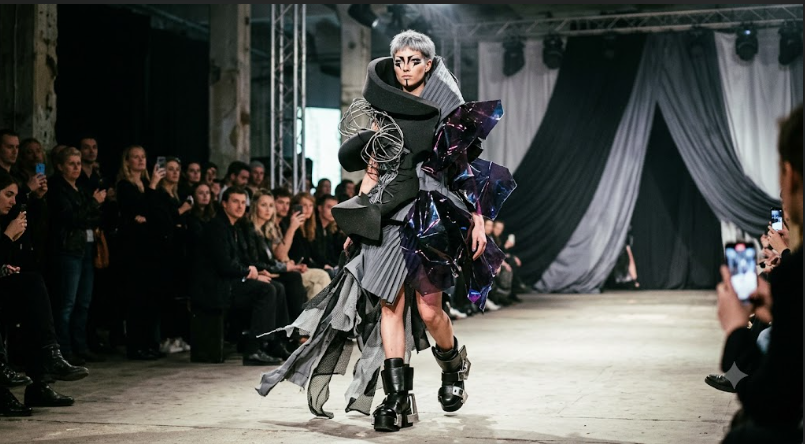
One of the most recognizable features of avant-garde fashion is its approach to shape. Instead of simply following the natural form of the body, designers often create clothing that changes or exaggerates the silhouette. A jacket may have oversized shoulders. A dress may create unexpected volume. A coat may appear more like a sculptural object than traditional outerwear. These designs encourage viewers to focus on form, movement, and structure rather than only the person wearing the garment.
Experimental Construction Techniques
Avant-garde fashion often challenges the traditional process of making clothes. Designers may use unusual cuts, visible stitching, layered fabrics, or reconstructed garments. Instead of hiding how a piece is created, some designers highlight the construction itself. Seams, fabric edges, and structural elements become part of the final design. This approach shows that the making of a garment can be just as interesting as the finished product.
Creative Use of Materials
Avant-garde designers frequently explore materials beyond standard fabrics. Leather, metal, plastic, recycled materials, and technology-based textiles have all appeared in experimental collections. The choice of material often supports the idea behind the design. A designer may use a rigid material to represent strength or a lightweight structure to create a sense of movement.
Designers Who Changed Avant-Garde Fashion
Rei Kawakubo
Rei Kawakubo, the founder of Comme des Garçons, is one of the most influential names in experimental fashion. Her designs often challenge traditional ideas about beauty, proportion, and femininity. Rather than creating clothing that simply follows the shape of the body, Kawakubo often transforms the relationship between the body and the garment. Her work has influenced generations of designers and changed how people understand fashion as an artistic discipline.
Yohji Yamamoto
Yohji Yamamoto is known for his minimalist yet powerful approach. His designs often feature dark colors, flowing shapes, oversized forms, and careful tailoring. His work proves that avant-garde fashion does not always need dramatic decoration. Sometimes a simple silhouette, thoughtful construction, and emotional connection with fabric can create a strong visual impact.
Alexander McQueen
Alexander McQueen brought storytelling and emotion into fashion. His collections often explored themes related to history, nature, identity, and human experiences. His runway presentations were famous for their dramatic atmosphere, showing that fashion could create powerful moments similar to theatre or visual art.
Iris van Herpen
Iris van Herpen represents a modern approach to avant-garde design by combining traditional craftsmanship with digital technology. Her work often includes futuristic shapes and experimental techniques, showing how fashion can connect with science, architecture, and technology.
Why Avant-Garde Fashion Matters
Avant-garde fashion plays an important role because it expands the boundaries of design. Many ideas that seem unusual at first eventually influence mainstream clothing. Experimental designers often introduce new approaches to shape, production, and sustainability. Their work encourages the fashion industry to rethink how garments are created and what consumers expect from clothing. Without designers willing to take risks, fashion could become limited to repeating the same styles.
How to Wear Avant-Garde Fashion Without Going Extreme
Many people think avant-garde fashion means wearing dramatic runway outfits, but the style can be adapted for everyday life. A person can introduce elements of this aesthetic through oversized coats, asymmetric clothing, layered outfits, unusual textures, or statement accessories. The key is understanding the design idea rather than copying an entire runway look. Avant-garde style is about individuality and creativity, not simply looking different.
The Difference Between Avant-Garde Fashion and Regular Fashion
Traditional fashion usually responds to customer preferences, seasonal trends, and commercial needs. Avant-garde fashion focuses more on experimentation and artistic exploration. A regular fashion collection may ask what people want to buy next season. An avant-garde designer may ask what clothing could become if traditional rules were removed. Both approaches have value, but they serve different purposes. One focuses on accessibility, while the other focuses on discovery.
The Future of Avant-Garde Fashion
The future of avant-garde fashion will likely continue to involve technology, sustainability, and new methods of design. Digital tools, advanced materials, and alternative production methods are giving designers more freedom to experiment. At the same time, growing interest in responsible fashion is encouraging creators to rethink how clothing is produced. As fashion continues to change, avant-garde designers will remain important because they challenge the industry to imagine new possibilities.
Conclusion
Avant-garde fashion represents the creative side of clothing design. It shows that fashion can be more than trends, seasons, and commercial products. By challenging traditional ideas, avant-garde designers have changed how people view clothing and expanded the possibilities of self-expression. Their work reminds us that fashion can communicate ideas, emotions, and imagination. For anyone interested in style beyond ordinary trends, avant-garde fashion offers a different perspective: clothing is not only something we wear, but also something we use to express how we see the world.