
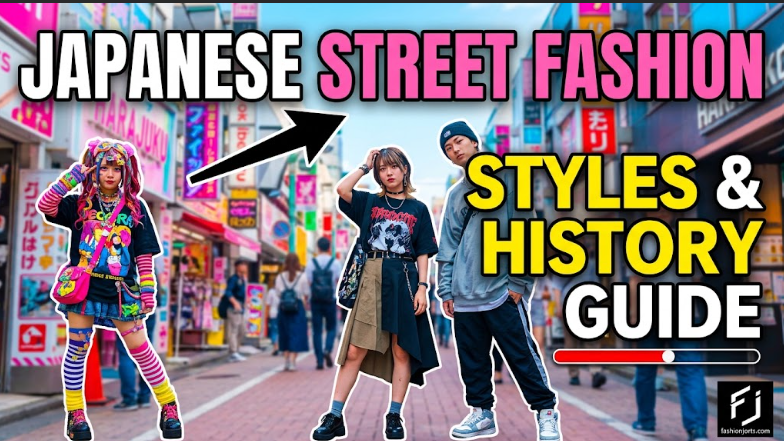
Japanese street fashion is known around the world for its creativity, individuality, and willingness to break traditional fashion rules. Instead of following one fixed style, people in Japan often create outfits by mixing different influences, from vintage clothing and streetwear to traditional aesthetics and pop culture references. What makes Japanese street fashion interesting is the personal approach behind it. A person’s outfit is not only about looking fashionable but also about showing personality, interests, and creativity. From the colorful streets of Harajuku to Tokyo’s modern streetwear scene, Japanese fashion continues to inspire people globally.
What Is Japanese Street Fashion?
Japanese street fashion describes the clothing styles created by everyday people, especially young fashion communities in cities like Tokyo. It is not one specific trend but a collection of different styles that developed through self-expression and experimentation. Many Japanese street fashion looks combine unexpected pieces. Someone might pair oversized clothing with vintage accessories, mix luxury items with affordable pieces, or combine cute designs with darker elements. The focus is usually on creating a unique appearance rather than copying a popular outfit.
The History Behind Japanese Street Fashion
Japanese street fashion began gaining attention after World War II as Western music, movies, and clothing styles became more available in Japan. Young people started adapting these influences and creating their own versions of fashion. During the 1970s and 1980s, areas of Tokyo became important spaces for youth culture. Harajuku especially became known as a place where people could experiment with clothing without strict fashion expectations. The 1990s brought international attention to Japanese street style. Independent designers, small clothing stores, and fashion magazines helped introduce Tokyo’s creative fashion scene to a wider audience. Street photography also played an important role by showing real people and their personal styles.
Harajuku and the Rise of Creative Style
Harajuku became one of the most recognized names connected with Japanese fashion. The area attracted young designers, artists, and fashion lovers who wanted to create something different. Unlike traditional fashion districts that focused mainly on luxury brands, Harajuku developed through individual expression. People created outfits based on their favorite music, hobbies, characters, and personal tastes. The area became famous for its colorful combinations, layered outfits, and unusual styling choices. Although fashion trends have changed over time, Harajuku remains an important symbol of creative Japanese style.
Popular Styles in Japanese Street Fashion
Kawaii Fashion
Kawaii fashion focuses on cute and playful designs. The style often includes soft colors, character-inspired details, bows, skirts, oversized sweaters, and charming accessories. This fashion movement became popular internationally because of Japan’s influence in anime, manga, and pop culture. Many people are attracted to kawaii fashion because it allows them to create cheerful and expressive outfits.
Gothic Lolita
Gothic Lolita combines Victorian-inspired clothing with Japanese fashion culture. It usually features detailed dresses, lace designs, elegant accessories, and carefully matched pieces. The style is recognized for its attention to detail. Rather than simply wearing individual fashionable items, followers often create a complete look with coordinated clothing, hairstyles, and accessories.
Decora Kei
Decora Kei is one of the most colorful Japanese street styles. It is based on decoration and layering, with outfits often featuring many accessories, bright colors, and playful designs. Hair clips, bracelets, character items, and colorful clothing are common parts of this style. The goal is to create a fun and highly personalized appearance.
Japanese Streetwear
Japanese streetwear has become one of the country’s most influential fashion exports. It combines casual clothing with strong design ideas and attention to quality. Common pieces include oversized jackets, loose trousers, graphic shirts, sneakers, and utility-inspired clothing. Japanese streetwear often values limited releases, craftsmanship, and unique details.
The Influence of Japanese Fashion Brands
Japanese brands have helped shape modern streetwear around the world. Companies such as BAPE, Undercover, Comme des Garçons, and Neighborhood introduced new approaches to casual clothing and designer fashion. These brands became known for strong identities, creative designs, and connections with music and street culture. Their influence can be seen in international collaborations, sneaker culture, and modern casual fashion. Japanese designers often focus on creating clothing that feels different from mainstream trends. This approach helped Japanese fashion gain recognition beyond Japan.
Key Features of Japanese Street Style
Layering Different Pieces
Layering is one of the most common techniques in Japanese fashion. People often combine different lengths, textures, and colors to create more interesting outfits. A simple shirt can become part of a unique look when paired with a jacket, oversized sweater, or different accessories.
Oversized Clothing
Loose-fitting clothing has become an important part of modern Japanese streetwear. Oversized shirts, jackets, and wide-leg pants create relaxed silhouettes while allowing more room for styling. This approach focuses on comfort while maintaining a strong visual identity.
Mixing Different Influences
Japanese street fashion often combines styles that might seem unrelated. A person may mix vintage clothing with modern sneakers, traditional-inspired pieces with streetwear, or elegant designs with casual items. This freedom to combine different ideas is one reason Japanese fashion continues to attract global attention.
How Japanese Street Fashion Influences Global Trends
Japanese street fashion has influenced how people around the world think about clothing. Ideas such as oversized fits, limited-edition releases, creative layering, and mixing high-end and casual pieces have become common in international fashion. Social media has made Japanese-inspired outfits easier to discover, allowing new generations to experiment with these styles. However, the original idea remains the same: fashion should reflect individuality.
Japanese Street Fashion Today
Modern Japanese street fashion continues to change as new generations create different interpretations of style. While traditional movements like Lolita and Decora remain recognized, newer trends include minimalist outfits, technical clothing, vintage-inspired looks, and contemporary streetwear. Tokyo’s fashion culture continues to balance old influences with new ideas. The result is a constantly changing scene where creativity remains more important than following a single trend.
Conclusion
Japanese street fashion represents more than clothing trends. It shows how fashion can become a form of creativity, identity, and personal expression. From Harajuku’s colorful styles to Tokyo’s modern streetwear culture, Japan has created fashion movements that continue influencing people around the world. The biggest lesson from Japanese street style is that originality often creates the most memorable looks. Whether someone prefers bold outfits or simple designs, Japanese fashion encourages people to experiment and develop a style that feels personal.