Rococo fashion was one of the most visually distinctive styles in European history. Emerging in France during the early 1700s, it transformed clothing into a form of artistic expression filled with soft colours, luxurious fabrics, delicate decoration, and carefully designed silhouettes. The style reflected the tastes of aristocratic society, where appearance was closely connected to status, wealth, and social influence. Although the original Rococo era lasted only a few decades, its influence continues to appear in modern fashion, costume design, and popular culture. From the grand gowns worn at royal courts to the embroidered coats of wealthy gentlemen, Rococo fashion represents a period when clothing became a symbol of creativity and personal identity.
What Is Rococo Fashion?
Rococo fashion refers to the clothing styles that developed alongside the Rococo art movement during the 18th century. The movement began in France around the 1720s and spread throughout Europe, influencing painting, architecture, interior design, and personal style. The word “Rococo” comes from the French term “rocaille,” which refers to decorative elements inspired by shells, stones, and natural forms. This influence can be seen in clothing through curved shapes, floral patterns, flowing designs, and delicate details. Unlike the heavier appearance of earlier Baroque fashion, Rococo clothing focused on elegance, softness, and refinement. Garments were designed to look graceful and decorative rather than powerful or imposing.
The Development of Rococo Style in France
France was the centre of European fashion during the 18th century, and the royal court played a major role in setting trends. Wealthy families competed through clothing, jewellery, and accessories, using fashion to display their social position. During the reign of Louis XV, court life became associated with entertainment, art, and luxury. Clothing reflected this atmosphere through lighter materials, brighter details, and more playful designs. Paris became an important fashion centre, with skilled dressmakers creating custom garments for aristocrats. These designs were later copied and adapted across Europe, making French fashion highly influential.
The Main Features of Rococo Fashion
Rococo clothing is recognised for its attention to decoration and craftsmanship. Every part of an outfit was carefully considered, from fabric selection to small finishing details. Soft pastel shades were especially popular. Colours such as pale pink, powder blue, cream, and light green created the delicate appearance associated with the period. These colours often appeared alongside floral embroidery, silk fabrics, and decorative trims. Luxury materials were another important feature. Wealthy individuals wore garments made from silk, satin, velvet, and other expensive textiles. Embroidery, ribbons, lace, and bows added further decoration and demonstrated the skill of craftsmen. The overall goal was to create a fashionable appearance that looked elegant, romantic, and carefully arranged.
Women’s Rococo Fashion and the Iconic Gown
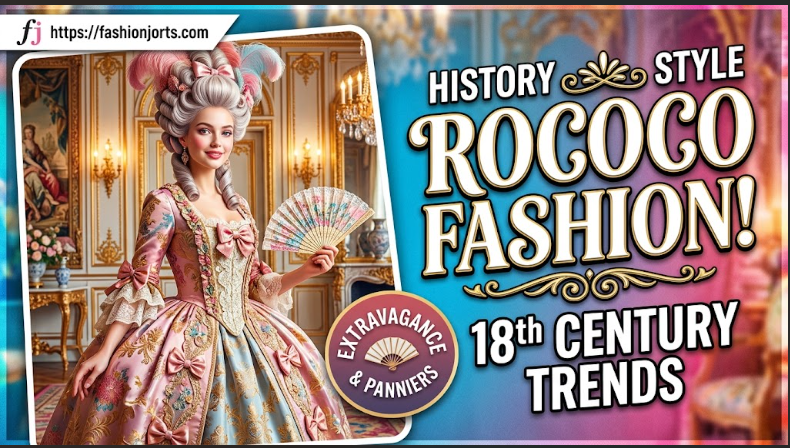
Women’s clothing became the most recognizable part of Rococo fashion. The most famous style was the robe à la française, a formal gown that represented the elegance of the French court. This dress usually included a fitted bodice, a wide skirt, decorative panels at the front, and flowing pleats at the back. The shape was created with the help of structured undergarments, including stays and panniers. Panniers helped expand the width of skirts, creating the dramatic silhouette associated with 18th-century court fashion. While these garments looked impressive, they were not always practical for everyday movement. Women’s dresses were often decorated with floral designs, lace, ribbons, and embroidery. Some gowns required many hours of skilled work, making them symbols of wealth as well as fashion.
Men’s Fashion During the Rococo Period
Rococo fashion was not only about women’s clothing. Men also followed highly decorative styles during the period. A fashionable gentleman typically wore a coat, waistcoat, shirt, breeches, stockings, and formal shoes. Waistcoats were especially important because they allowed men to display colourful fabrics and detailed embroidery. Coats often featured decorative buttons, patterned materials, and fitted shapes. Accessories such as lace cuffs, gloves, and carefully styled hair completed the appearance. Men’s Rococo fashion showed that elegance and decoration were considered important parts of masculine identity during the 18th century.
Hairstyles and Accessories That Completed the Look
Clothing was only one part of Rococo style. Hairstyles, jewellery, and accessories played a major role in creating a fashionable image. Women often wore elaborate hairstyles decorated with ribbons, flowers, feathers, and jewellery. Powdered hair became a popular feature among both men and women, creating a polished appearance. Accessories such as fans, gloves, necklaces, earrings, and decorative shoes added personality to outfits. A complete Rococo appearance depended on combining many small details into one carefully designed look.
Marie Antoinette and Rococo Fashion
Marie Antoinette is one of the most famous figures connected with 18th-century fashion. As Queen of France, she became known for her luxurious clothing choices, elaborate hairstyles, and influence on court trends. Her collaboration with dressmaker Rose Bertin helped shape fashionable styles during the late 1700s. While she became associated with extravagance, her fashion choices also reflected the expectations of royal life during that period. Marie Antoinette’s image continues to influence modern interpretations of Rococo style, especially in films, photography, and fashion collections.
The Decline of Rococo Fashion
Rococo fashion began to lose popularity toward the end of the 18th century. Changing social attitudes and political events created demand for simpler clothing styles. The French Revolution of 1789 had a major impact on fashion. The elaborate garments associated with aristocratic courts became less desirable as society moved toward ideas of simplicity and equality. Fashion gradually shifted toward Neoclassical influences, with cleaner shapes, lighter dresses, and less decoration replacing the highly ornamental Rococo style.
Rococo Fashion’s Influence Today
Although the Rococo period ended centuries ago, its visual influence remains easy to recognize. Modern designers often borrow elements such as lace, bows, pastel colours, floral patterns, and romantic silhouettes. The style appears frequently in historical films, theatre costumes, luxury fashion collections, and alternative fashion communities. Many people are attracted to Rococo because it represents imagination, craftsmanship, and a sense of fantasy. Today’s interpretations are usually adapted for modern wear, combining historical inspiration with contemporary design.
Conclusion
Rococo fashion represents a unique period when clothing became closely connected with art, social identity, and personal expression. Its elaborate gowns, detailed embroidery, and elegant accessories reveal the craftsmanship and creativity of 18th-century fashion. While the style eventually disappeared from everyday clothing, its influence never completely faded. The romantic qualities of Rococo continue to inspire designers and audiences who appreciate historical beauty and artistic detail. For those interested in fashion history, Rococo remains a reminder that clothing can communicate far more than appearance. It can reflect culture, values, ambition, and imagination.