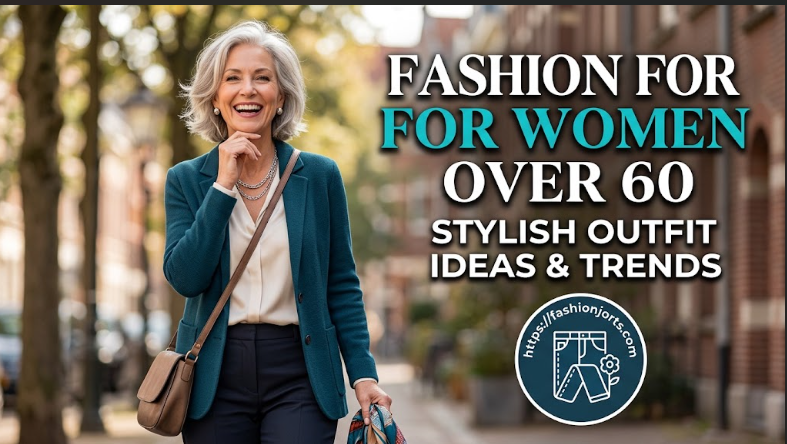
Reaching 60 doesn’t mean your wardrobe suddenly needs restrictions. If anything, experience makes it easier to recognize what deserves a place in your closet. You know whether you prefer relaxed trousers or structured jeans, bold prints or quiet neutrals, and sneakers or polished loafers. Good style at this age is less about looking younger and more about looking current, comfortable, and like yourself. Clothes should fit the body you have now and make sense for the life you lead. A few carefully chosen pieces can accomplish far more than a closet filled with clothes you rarely wear.
How to Dress Stylishly After 60
Start by forgetting the idea that certain clothes belong to certain ages. A leather jacket, bright dress, pair of jeans, or sleeveless top doesn’t suddenly become inappropriate because of a birthday. What matters more is how the garment fits, how you style it, and whether you feel comfortable wearing it. Pay particular attention to proportion. Trousers that finish at the right length, sleeves that don’t cover your hands, and jackets that sit properly at the shoulders make an immediate difference. Even inexpensive clothing can look polished when the fit is right.
Build a Wardrobe Around the Right Basics
A useful wardrobe starts with clothes that can move easily between different parts of your week. Instead of collecting statement pieces that only work for one occasion, choose a dependable foundation and bring variety through color, texture, shoes, and accessories. Dark jeans, tailored trousers, a crisp shirt, soft knitwear, a blazer, a casual jacket, and one or two versatile dresses are good places to begin. Your exact choices should reflect your routine. Someone who spends most days casually will need a different wardrobe from someone who regularly attends dinners, meetings, or formal events.
Find Jeans That Fit Your Shape
Jeans remain one of the easiest pieces to wear after 60. Straight-leg styles offer a clean shape, while bootcut jeans can create balance through the lower leg. Relaxed denim works well when you want something less structured. Don’t become too attached to the size printed on the label. Try different rises and cuts, then judge how the jeans sit at your waist, hips, and ankles. The best pair is the one you can wear for several hours without constantly adjusting it.
Choose Trousers You Can Dress Up or Down
Well-cut trousers solve many everyday dressing problems. A straight or gently wide leg can work with a T-shirt and sneakers during the day, then with a blouse and loafers for dinner. Navy, black, chocolate, cream, and charcoal are particularly easy to combine. Fabric makes a difference here. Look for material that hangs smoothly instead of bunching around the hips or knees. A little movement in the fabric can also make wider trousers feel graceful rather than bulky.
Add Blazers and Jackets for Structure
A jacket gives simple clothes definition. Try a blazer over jeans and a plain top, or add a shorter jacket to a midi dress. You don’t need formal tailoring for this effect; denim jackets, lightweight utility jackets, and soft blazers can do the same job in different settings. Shoulder fit is especially important. If a jacket is too wide through the shoulders or excessively long for your proportions, it can overwhelm everything underneath. A small alteration may be enough to rescue an otherwise excellent piece.
Invest in Shirts, Blouses, and Quality Knitwear
Tops sit close to the face, so they have a strong effect on an outfit. A white or pale blue button-down is useful, but richer colors can make familiar trousers and jeans feel completely different. Soft green, burgundy, coral, navy, and warm red are worth trying if they suit your coloring. For cooler days, fine knits provide warmth without excessive bulk. Cardigans also give you flexibility because they can be worn open, buttoned, or layered beneath a coat.
Casual Fashion for Women Over 60
Casual dressing works best when comfort looks intentional. Straight jeans with a soft knit and sneakers can be enough, especially when the jeans fit properly and the shoes are clean. Relaxed trousers with a tucked or partially tucked shirt create another uncomplicated everyday look. Try combining relaxed and structured pieces rather than making everything loose. If your trousers are wide, a more defined top can create balance. If you’re wearing a flowing blouse, straighter jeans or trousers may give the outfit a cleaner shape.
Elegant Outfits for Women Over 60
Elegant dressing doesn’t require complicated clothing. A midi dress with attractive shoes and simple jewelry can handle dinners, celebrations, and many social occasions. Tailored trousers with a silky blouse offer an equally polished alternative for women who don’t enjoy dresses. Choose one detail to carry the outfit rather than making every piece compete for attention. It might be an interesting neckline, rich fabric, statement earrings, or a beautiful handbag. Restraint often makes these details more noticeable.
How to Dress Over 60 With a Tummy
Trying to hide your midsection under very large clothes can sometimes make the entire body look bigger. Instead, look for pieces that skim rather than squeeze. Mid- or high-rise trousers paired with a softly structured top can provide shape while remaining comfortable. Open jackets and cardigans can create long vertical lines, while dresses with gentle draping can move smoothly over the middle. The goal isn’t to disguise your body. It’s to find proportions that allow you to move confidently without constantly thinking about your clothes.
Choosing Flattering Colors and Prints
There is no universal color palette for women over 60. Skin tone, hair, eye color, and personal taste matter far more than age. Hold different shades near your face in daylight and notice which ones make your complexion appear brighter. Prints are equally personal. Florals, stripes, checks, abstract patterns, and animal prints can all look sophisticated. If you prefer a quieter style, make the print the main feature and keep the remaining pieces simple.
Comfortable Fabrics That Still Look Polished
Comfort often begins with fabric rather than size. Cotton shirts, linen trousers, soft wool, smooth knits, and fabrics with gentle stretch can provide freedom of movement while maintaining shape. Also pay attention to how a garment feels after sitting or walking in it. A dress that looks wonderful for thirty seconds in a fitting room may become irritating after two hours. Clothes that work in real life are more valuable than clothes that only photograph well.
Shoes That Balance Comfort and Style
A good shoe should support the day you’re planning. Sneakers work naturally with jeans and casual trousers, but they can also soften a midi dress. Loafers provide a polished alternative, while ankle boots can carry many outfits through autumn and winter. If you prefer heels, a lower block heel can provide a dressier appearance without demanding the balance of a very high heel. Don’t treat uncomfortable shoes as the price of looking elegant. There are too many attractive alternatives.
How Accessories Can Update Your Look
Accessories are useful when your wardrobe contains simple, repeatable pieces. A scarf can bring color to a neutral coat, while earrings can give a plain shirt enough personality for dinner. Belts, watches, necklaces, sunglasses, and handbags can change the mood without requiring an entirely new outfit. Avoid adding accessories simply because an outfit feels unfinished. Sometimes one strong detail is enough. Knowing when to stop is part of developing personal style.
Fashion Trends Worth Trying After 60
Trends can keep a wardrobe interesting, but they should remain optional. If wider trousers suit you, try them. If a particular seasonal color makes you feel good, introduce it through a shirt, sweater, or bag. Avoid rebuilding your wardrobe around short-lived trends. Combining one current piece with reliable clothes you already own usually produces a more natural result. It also makes experimenting less expensive.
Common Fashion Mistakes to Avoid
One common mistake is buying for a past version of your body. Another is choosing everything oversized because comfort has become more important. Neither approach gives your current shape the attention it deserves. The opposite problem is holding onto clothes simply because they were expensive or once looked great. If something hasn’t been worn for years, ask why. A useful closet should reflect your present routine, preferences, and body rather than preserving an earlier period of your life.
Building a Capsule Wardrobe After 60
A capsule wardrobe isn’t about owning as little as possible. It’s about having enough pieces that work together, so getting dressed requires less effort. Start with two or three dependable bottoms, several tops, knitwear, a jacket, a versatile dress, and shoes that cover your usual activities. Keep most pieces easy to combine, then add personality through a few stronger colors, prints, or accessories. As you wear the capsule, gaps become obvious. Those gaps should guide future purchases rather than sales, advertising, or impulse.
Conclusion
Style after 60 becomes more interesting when you stop treating age as the main instruction. Your proportions, comfort, daily routine, and personal taste provide much better information about what belongs in your wardrobe. Give fit more attention than labels and trends. Keep the clothes that make everyday dressing easy, then introduce color, accessories, or contemporary silhouettes when you want something new. You don’t need a large wardrobe to create variety. Most of all, allow your style to change. The clothes that suited you ten years ago don’t have to define you now, and neither do conventional ideas about how an older woman should dress. A successful wardrobe should make getting dressed simpler while still leaving room for personality. At 60 and beyond, that’s a far more useful measure of style than following somebody else’s rules.