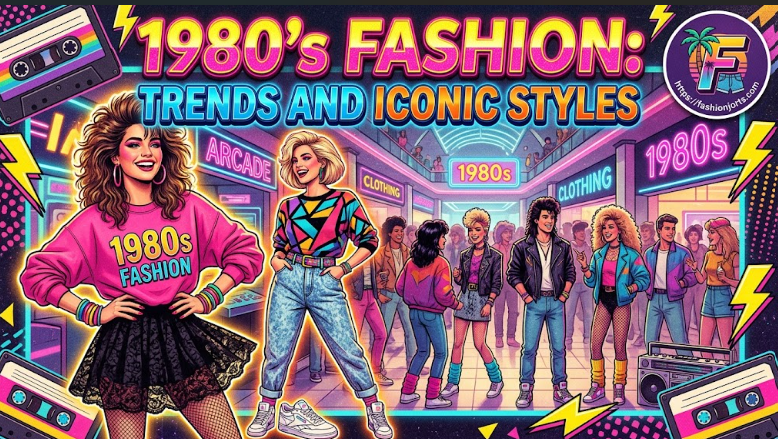
The 1980s fashion era was a time when clothing became a powerful form of self-expression. People experimented with bigger shapes, brighter colors, and more dramatic styles than ever before. From oversized jackets and bold accessories to athletic-inspired outfits and rebellious streetwear, the decade created some of the most memorable looks in fashion history. What made 1980s fashion unique was its freedom. There was no single style that controlled the decade. Some people embraced glamorous designer outfits, while others preferred casual denim, punk-inspired clothing, or sporty looks. Fashion became a way to show confidence, personality, and individuality.
What Made 1980’s fashion So Iconic?
The 1980s were known for bold choices. Clothing was designed to stand out rather than blend into the background. Bright colors, exaggerated silhouettes, and eye-catching details became common in both everyday outfits and high fashion. Many trends of the decade reflected changes in society. Professional success influenced the popularity of sharp suits, while music, television, and fitness culture introduced new styles to younger generations. People looked to celebrities, athletes, and musicians for fashion inspiration. The decade also encouraged mixing different influences. A person could wear a tailored jacket with jeans, combine luxury pieces with casual clothing, or pair athletic items with everyday outfits.
The Rise of Power Dressing and Shoulder Pads
One of the most recognizable trends of the 1980s was power dressing. This style became especially popular among working women who wanted clothing that represented confidence and professionalism. Blazers with wide shoulders, fitted trousers, pencil skirts, and elegant blouses became workplace favorites. Shoulder pads were added to jackets and dresses to create a stronger shape and a more structured appearance. Designers such as Thierry Mugler became known for dramatic silhouettes that emphasized strong shoulders and sharp tailoring. Television shows and celebrities also helped spread this style, making it a major part of 1980s fashion culture.
Bright Colors and Oversized Clothing Trends
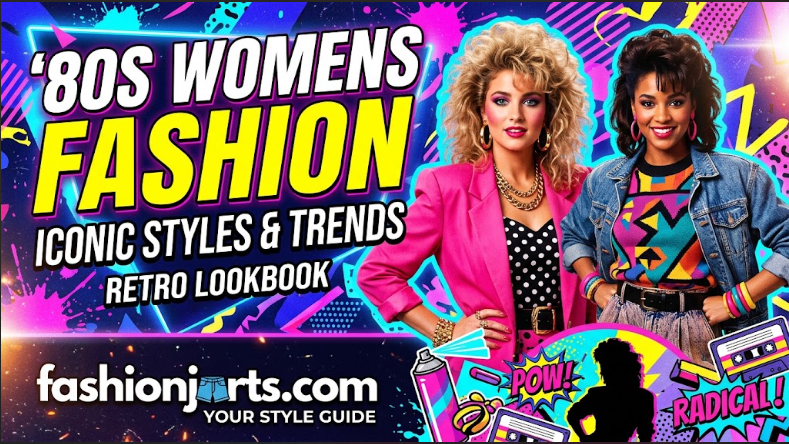
The 1980s moved away from simple and neutral clothing. Fashion lovers embraced bright shades, colorful patterns, and unusual combinations. Neon colors such as pink, green, orange, and yellow appeared in casual outfits, sportswear, and accessories. Oversized sweaters, loose jackets, and large shirts became popular because they created a relaxed yet noticeable appearance. Accessories were also an important part of the look. Large earrings, chunky necklaces, belts, and statement sunglasses helped complete outfits and added more personality.
Fitness Fashion Became Everyday Style
The fitness movement changed how people dressed during the 1980s. Workout clothing was no longer limited to gyms; it became part of everyday fashion. Leggings, sweatshirts, sneakers, bodysuits, and leg warmers became popular choices. The influence of aerobics videos, fitness celebrities, and movies helped create a new connection between health, lifestyle, and fashion. This trend also introduced the idea that comfortable clothing could still look stylish. Many modern activewear trends continue to borrow ideas from 1980s fitness fashion.
Denim and Casual Street Style
Denim was one of the most important materials of the decade. Jeans became a symbol of casual style and personal identity. Acid-wash jeans, denim jackets, ripped jeans, and oversized denim shirts were common choices. People often combined denim with graphic T-shirts, sneakers, or leather jackets for a relaxed street-inspired outfit. Casual fashion during this period was about looking effortless while still showing personality. Clothing choices often reflected music preferences, social groups, and individual taste.
Men’s Fashion in the 1980s
Men’s fashion during the decade followed the same desire for confidence and strong visual identity. Business clothing featured broad-shouldered suits, colorful ties, patterned shirts, and polished shoes. The power suit became associated with ambition and success. Many men wore structured jackets and formal outfits that created a professional appearance. Outside the workplace, casual styles became more relaxed. Denim jackets, tracksuits, polo shirts, sneakers, and leather jackets were popular choices. The growth of hip-hop culture also introduced oversized clothing and sneaker-focused streetwear.
How Music and Celebrities Influenced Fashion
Music had a huge impact on 1980s style. With the rise of music television, audiences could see artists’ outfits and copy their looks more easily. Madonna influenced fashion with layered jewelry, lace details, and expressive outfits. Michael Jackson popularized military-inspired jackets, gloves, and performance-driven styles. Rock musicians brought leather, ripped denim, and dramatic hairstyles into mainstream fashion. Hip-hop artists also helped shape streetwear by introducing oversized clothing, sneakers, and bold accessories. Music and fashion became closely connected, with performers becoming style icons.
Hairstyles and Makeup Trends of the 1980s
Hair and makeup were just as expressive as clothing during the decade. Bigger hairstyles became a signature feature, with many people choosing teased hair, curls, and high-volume styles. Makeup trends focused on strong colors and dramatic looks. Bright eyeshadow, bold lipstick, and defined eyebrows were common choices. Beauty trends followed the same attitude as clothing: confidence mattered more than subtlety.
Alternative Styles of the 1980s
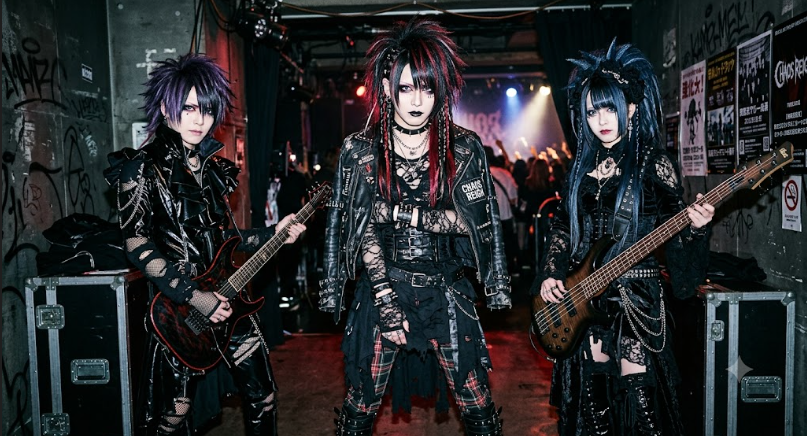
While bright colors and glamorous outfits dominated popular culture, alternative fashion scenes created their own identities. Punk-inspired clothing included leather jackets, ripped fabrics, and bold accessories. Goth fashion focused on darker colors, dramatic makeup, and unusual combinations. New Romantic styles experimented with elegant clothing, dramatic shapes, and creative styling. These movements showed that 1980s fashion was not only about mainstream trends. It was also about creating personal styles outside traditional expectations.
Why 1980s Fashion Is Popular Again
Many elements of 1980s fashion continue to appear in modern clothing collections. Oversized jackets, vintage denim, colorful sneakers, and statement accessories regularly return because they create strong visual impact. The decade remains popular because its main idea still connects with modern audiences: fashion should reflect personality. The 1980s encouraged people to experiment and enjoy clothing rather than follow strict rules.
Conclusion
The 1980s created a fashion identity built around confidence, creativity, and experimentation. It was a decade where people used clothing to express who they were and what they wanted to represent. Although some trends have changed over time, the influence of 1980s fashion remains visible in modern style. Its bold approach continues to inspire designers and fashion lovers who want clothing with personality and character.