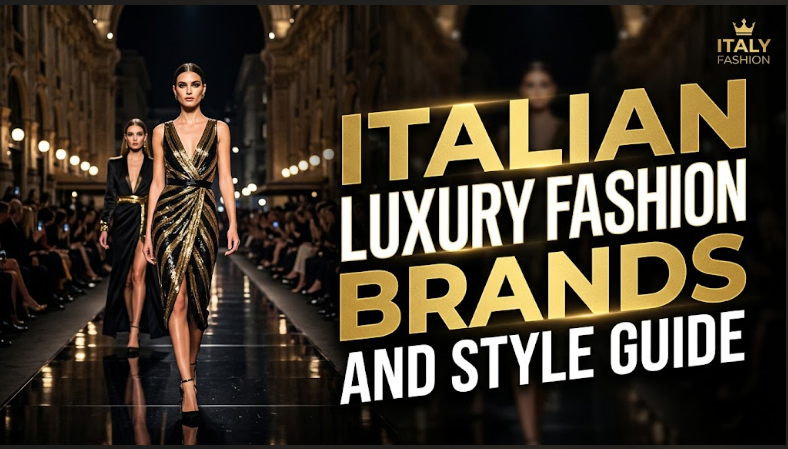
Italian luxury fashion has a particular ability to look polished without feeling overly formal. A beautifully cut jacket, a carefully made leather handbag or a pair of well-designed shoes can carry the character of Italian style without relying on excessive decoration. That balance between craftsmanship and personal expression has helped Italian designers remain influential across generations. The appeal also comes from variety. Italy has produced houses known for quiet tailoring, dramatic prints, experimental clothing and exceptional leatherwork. Understanding that variety makes it easier to see why Italian luxury fashion has become a category of its own rather than simply another name for expensive designer clothing.
What Makes Italian Luxury Fashion Different?
Italian luxury is closely connected with the idea that clothing should be both beautiful and wearable. Designers have traditionally paid close attention to proportion, materials and construction, while still leaving room for personality. The result can range from an understated suit to a highly decorative evening dress, yet both can belong naturally to the Italian fashion tradition. Craftsmanship is another major part of the story. Italy has long maintained specialist communities working in tailoring, leather, footwear and textiles. These skills give fashion houses access to people who understand how materials behave and how small construction details affect the finished product.
How Italian Fashion Developed Its Modern Identity
Italy’s modern fashion industry grew significantly during the decades following the Second World War. Designers and manufacturers began attracting international buyers who were interested in clothing that combined quality with a more relaxed approach than traditional French couture. Florence became an early showcase for Italian designers, while Milan eventually developed into the country’s major fashion and business center. This division helped create an industry that could support both independent creativity and large-scale international distribution. The growth of ready-to-wear was particularly important. Instead of producing only highly exclusive pieces for individual clients, Italian designers developed collections that could be manufactured and sold internationally while retaining a strong design identity.
The Italian Fashion Cities You Should Know
Milan
Milan is closely associated with modern Italian fashion. The city became a major center for ready-to-wear, tailoring, fashion publishing and business, creating an environment where designers and manufacturers could work closely together. Its style is often associated with sophistication and practicality. Milanese fashion can be polished enough for business while still leaving room for contemporary design.
Florence
Florence has a different connection to luxury. The city is strongly associated with leather goods, artisanal production and the early international promotion of Italian fashion. Its influence is especially visible in the history of brands that developed from traditional leather and travel products into global fashion companies.
Rome
Rome has its own fashion identity, shaped partly by couture, cinema and the city’s long association with art and culture. Luxury houses based in Rome have often produced clothing with a strong sense of drama and occasion. The city’s influence is a reminder that Italian fashion isn’t defined entirely by Milan’s business-oriented image.
Italian Luxury Brands and Their Different Personalities
Gucci
Gucci is one of the clearest examples of Italian luxury evolving over time. Founded in Florence, the company began with travel and leather goods before becoming a global fashion house. Its appeal comes from recognizable design codes combined with frequent changes in styling. Gucci can move from classic leather accessories to highly contemporary fashion without losing its connection to its origins.
Prada
Prada takes a more intellectual approach to luxury. Its designs often challenge conventional ideas about what looks expensive or sophisticated. The brand has built its identity around unusual materials, unexpected shapes and a willingness to make ordinary-looking objects feel deliberately considered. That quality has made Prada particularly influential among consumers who prefer fashion with a conceptual edge.
Giorgio Armani
Giorgio Armani is strongly associated with sophisticated tailoring. The designer helped popularize softer construction and a more relaxed approach to formal clothing. Rather than relying on decoration, Armani’s clothing often gets its character from proportion, fabric and silhouette. This makes the brand particularly relevant to people who want luxury that remains understated.
Versace
Versace represents the more expressive side of Italian fashion. Its history is associated with vivid colors, bold prints, sensual shapes and strong visual references. The brand also helped strengthen the connection between high fashion and celebrity culture. Its designs have frequently been created to attract attention rather than blend into the background.
Valentino
Valentino has traditionally been associated with elegant womenswear and sophisticated evening dressing. The house built a strong reputation around formal gowns, refined construction and romantic design. Its appeal lies in clothing designed for moments where appearance and craftsmanship are equally important.
Fendi
Fendi’s identity is closely connected to Rome and leather craftsmanship. The house became particularly well known for handbags and accessories while expanding into ready-to-wear. Its history demonstrates how an Italian luxury company can build global recognition from a specialized craft before developing into a much broader fashion business.
Bottega Veneta
Bottega Veneta offers a quieter interpretation of luxury. Its leather goods are known for craftsmanship and distinctive construction rather than relying on large logos. This approach has made the brand especially attractive to shoppers who want recognizable quality without obvious branding.
Salvatore Ferragamo
Ferragamo has a particularly strong place in Italian footwear history. Salvatore Ferragamo developed his reputation through shoe design and became associated with clients from the world of Hollywood.
The company later expanded into clothing, handbags and other accessories while keeping footwear and leather craftsmanship central to its identity.
Why Italian Leather Goods Are So Popular
Leather has a special place in Italian luxury because the country developed strong regional expertise in tanning, cutting, stitching and finishing leather products. Handbags, shoes, belts and luggage therefore became important categories for Italian companies.
Quality leather isn’t simply about softness. Grain, thickness, finishing, stitching and construction all affect how an item looks and ages. A well-made leather product can develop character through use, which is one reason consumers often view certain Italian bags and shoes as long-term purchases rather than seasonal accessories.
Italian Tailoring and the Modern Suit
Italian tailoring has had a lasting influence on menswear because it offers a different interpretation of formal dressing. Traditional Italian jackets often aim for a natural relationship with the body instead of an extremely rigid structure. The exact approach varies between regions and individual tailors. Neapolitan tailoring, for example, has its own recognizable characteristics, while Milanese tailoring developed within a different fashion and business environment. For the wearer, the important point is that Italian tailoring generally places considerable attention on fit, movement and proportion.
Is Italian Luxury Always Made in Italy?
Not necessarily. An Italian fashion house can operate an international supply chain, and the manufacturing location can vary according to the product. The phrase “Made in Italy” specifically concerns manufacturing origin rather than simply the nationality of the brand. If origin matters to you, check the individual item’s label or official product information instead of assuming that every product from an Italian company was manufactured domestically. That distinction is useful for shoppers because luxury branding and manufacturing origin are not always the same thing.
What Italian Luxury Fashion Looks Like Today
Italian luxury no longer fits neatly into the old distinction between formal elegance and extravagant glamour. Modern consumers mix tailored jackets with sneakers, investment handbags with casual clothing and heritage pieces with contemporary designers. Fashion houses have adapted to that behavior by expanding beyond traditional seasonal collections. Accessories, collaborations, casual pieces and new interpretations of archival designs have become important parts of the luxury market. At the same time, craftsmanship remains valuable. Consumers increasingly want to know how products are made, what materials are used and whether a high-priced item offers lasting quality.
How to Buy Italian Luxury Without Chasing the Logo
A good luxury purchase should make sense even when the brand name isn’t the first thing you notice. Look at the construction, fabric, leather, hardware, stitching and fit. Consider whether the piece works with clothes you already own rather than buying something simply because it is popular. It also helps to understand the personality of the house. Someone who prefers minimalist dressing may be happier with a restrained Italian brand than a highly decorative collection. Someone who enjoys bold fashion may have the opposite experience. The best luxury purchase is ultimately the one that combines genuine quality with a design you will still want to wear after the current trend has passed.
Conclusion
Italian luxury fashion remains influential because it offers far more than one definition of good style. Its history includes traditional artisans, ambitious manufacturers, innovative designers and cities that developed distinct roles within the fashion industry. That variety is still visible today. Armani can represent restraint, Versace can represent bold expression, Prada can challenge conventional luxury, while Gucci and other historic houses continue to reinterpret their archives for new audiences. For anyone interested in buying Italian luxury, the most useful approach is to look past the name and understand the product itself. The strongest pieces combine thoughtful design, quality materials and craftsmanship with a style that feels right for the person wearing them.