Flapper fashion remains one of the most recognizable clothing movements in history because it represented a time when women’s style began changing alongside society itself. During the 1920s, clothing became less restrictive, hairstyles became shorter, and fashion started reflecting a more active and independent lifestyle. The flapper look was not simply about wearing a certain type of dress; it was connected to a new attitude toward confidence, entertainment, and personal expression. The style developed during the years after World War I, when many social rules were being questioned. Young women wanted clothing that matched their changing routines, from working outside the home to enjoying nightlife, dancing, and new forms of entertainment. The result was a fashion movement that continues to inspire designers and vintage enthusiasts today.
What Was Flapper Fashion?
Flapper fashion was the style associated with young women during the 1920s who embraced a more modern approach to clothing and appearance. Unlike earlier fashions that focused on tight waistlines and formal structures, flapper clothing emphasized comfort, movement, and a relaxed shape. The most recognizable feature was the straight silhouette. Dresses often hung loosely from the shoulders, with the waistline lowered toward the hips. This created a different appearance from the hourglass figures that had been popular before the decade. Although the term “flapper” is often connected with glamorous party dresses, the style included everyday clothing as well. Women wore simpler day dresses, coats, hats, and practical outfits while adopting some of the same design ideas seen in eveningwear.
Why Flapper Fashion Became Popular
The popularity of flapper fashion came from major changes happening in society during the 1920s. After World War I, many women experienced greater independence and became more involved in public life. Fashion began reflecting these new experiences. Cities grew, entertainment became more accessible, and jazz culture influenced social activities. Dancing became a major part of youth culture, creating demand for clothing that allowed easier movement. The flapper image also challenged older expectations. Shorter hairstyles, makeup, and modern dresses were sometimes viewed as rebellious because they represented a break from traditional ideas about how women should look and behave.
The Signature Elements of Flapper Style
Drop-Waist Dresses
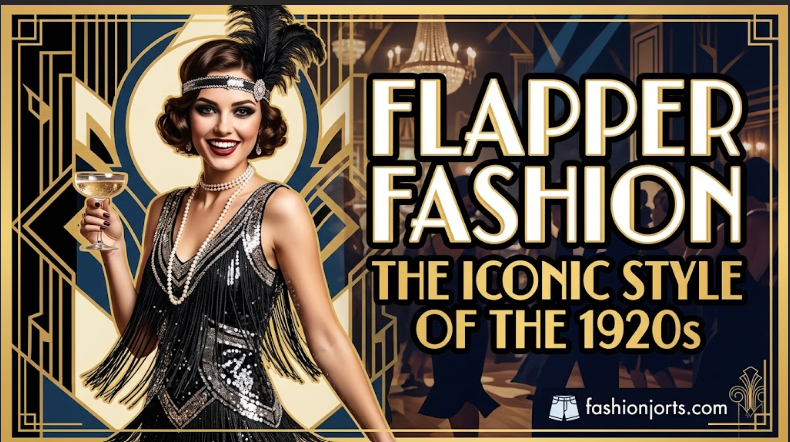
The drop-waist dress became the foundation of the flapper wardrobe. Instead of highlighting the natural waist, these dresses placed the waistline lower around the hips, creating a long and straight appearance. Evening dresses were often decorated with detailed patterns, embroidery, beads, and sparkling materials. These designs looked especially striking under the lights of dance halls and social gatherings.
Fringe and Beaded Details
Fringe became one of the strongest visual symbols of flapper fashion. The movement of layered fringe added energy to dresses, especially when women danced. Beaded dresses were also popular for formal occasions. Decorative details helped transform simple dress shapes into elegant evening outfits that captured the excitement of the Jazz Age.
Short Hairstyles
The bob haircut changed women’s beauty standards during the 1920s. Cutting hair short was a noticeable departure from previous generations, when longer hairstyles were more common. Many women styled their bobs with waves and curls to create a polished appearance. The hairstyle worked well with the smaller hats and cleaner clothing shapes of the decade.
Cloche Hats and Accessories
Accessories completed the flapper look. The cloche hat, with its close-fitting shape, became one of the most popular choices for women during the decade. Jewelry also played an important part. Long necklaces, bracelets, decorative headpieces, and Art Deco-inspired designs added elegance to both simple and formal outfits.
How Flapper Fashion Changed Women’s Clothing
Flapper fashion changed more than just dress designs. It introduced a new idea that clothing should support an active lifestyle rather than restrict movement. Women’s fashion became more practical and adaptable. Dresses became easier to wear, hairstyles required less maintenance, and personal style became a stronger form of expression. The movement also helped create a closer connection between fashion and popular culture. Movies, magazines, music, and celebrities helped spread new trends quickly, making fashion more visible than ever before.
Common Misunderstandings About Flapper Style
Many people imagine every woman in the 1920s wearing a heavily decorated fringe dress, but that image represents only one part of the era. Most women did not dress in elaborate evening outfits every day. Flapper fashion also did not mean that all women rejected traditional values. Many simply adopted certain elements of the style, such as shorter hair, simpler dresses, or modern accessories, while maintaining their own preferences. The flapper image became larger than everyday reality because films and popular media often focused on the most dramatic examples of 1920s fashion.
The Designers Behind the 1920s Fashion Shift
Several designers influenced the direction of women’s clothing during this period. Coco Chanel became known for creating comfortable and modern designs that moved away from heavily structured garments. Other designers, including Jean Patou and Jeanne Lanvin, contributed to the changing appearance of women’s fashion by experimenting with simpler shapes, luxurious fabrics, and elegant details. These designers helped establish a style that valued both beauty and practicality.
Flapper Fashion’s Influence Today
The influence of flapper fashion can still be seen in modern clothing. Designers often return to 1920s ideas through beaded dresses, vintage-inspired eveningwear, short hairstyles, and geometric jewelry. The style remains popular for themed parties, weddings, theater productions, and fashion collections because it offers a combination of glamour and historical meaning. Modern interpretations usually focus on the spirit of the era rather than copying every detail. Designers often take inspiration from the confidence and creativity associated with 1920s fashion.
Conclusion
Flapper fashion was a reflection of a changing era. The clothing, hairstyles, and accessories of the 1920s represented a generation that wanted more freedom, movement, and individuality. While the original flapper era lasted only a short time, its influence continues because it captured an important moment when fashion became a powerful way to express social change. Today, flapper style is remembered not only for its beauty but also for the confidence and independence it represented. It remains a reminder that clothing can tell the story of an entire generation.