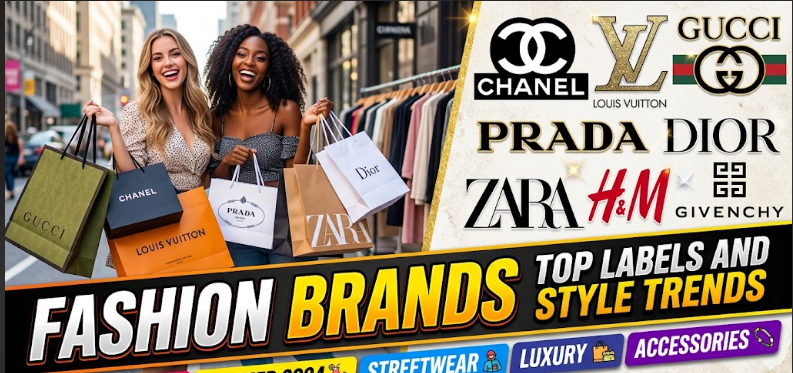
Fashion brands are not just names attached to clothing. They represent ideas, creativity, craftsmanship, and the way people choose to present themselves. A brand can tell a story about tradition, innovation, culture, or personal taste. From luxury fashion houses creating timeless pieces to independent designers building new movements, fashion brands influence what people wear and how they see style. The search for fashion brands often comes from a simple question: which labels are worth knowing? Some shoppers want luxury names, others want affordable everyday clothing, and many are looking for brands that match their values. Understanding different types of fashion brands helps people make smarter choices instead of simply following trends.
What Defines a Fashion Brand?
A fashion brand is built around more than products. It includes a company’s design approach, reputation, values, customer experience, and connection with its audience. Two brands may sell similar clothing, but their identities can feel completely different because of their history, creativity, and target customers. Some brands become famous through craftsmanship and heritage, while others gain attention through bold designs, celebrity influence, or cultural movements. A strong fashion brand creates recognition and trust, making customers feel connected to what they purchase. Today, consumers look beyond appearance. They consider quality, production methods, price, and whether a brand reflects their personal lifestyle.
Luxury Fashion Brands and Their Global Influence
Luxury fashion brands have shaped the industry for generations. These labels are known for detailed craftsmanship, premium materials, exclusive designs, and strong creative direction. Names such as Chanel, Louis Vuitton, Dior, Hermès, Gucci, and Prada have become symbols of fashion excellence. Their collections often influence trends that later appear throughout the wider clothing market. Luxury brands succeed because they combine history with creativity. A classic handbag, tailored jacket, or signature accessory can remain desirable for decades because it represents more than a product. It represents design heritage and attention to detail. However, luxury fashion is changing. Many customers are becoming more interested in quality and long-term value rather than simply buying recognizable logos. This has encouraged brands to focus on craftsmanship, authenticity, and meaningful design.
Streetwear Brands That Changed Fashion Culture
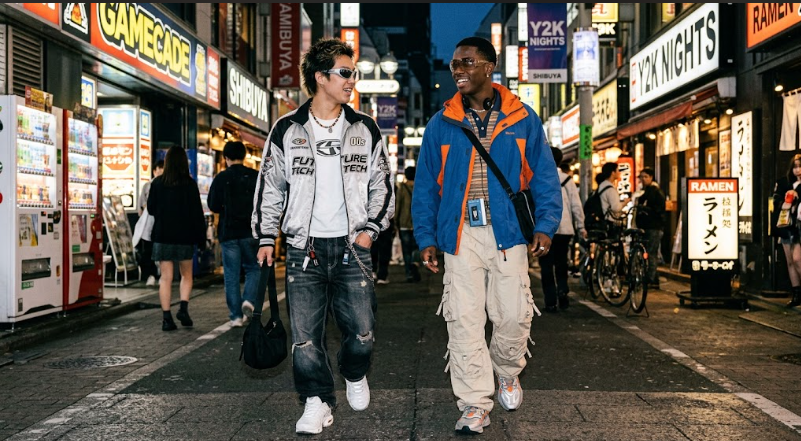
Streetwear transformed modern fashion by bringing casual clothing into the spotlight. What started within skateboarding, music, and urban communities became a worldwide style movement. Brands like Supreme, Stüssy, Off White, and Fear of God helped redefine how people viewed everyday clothing. Hoodies, sneakers, oversized jackets, and graphic designs became important fashion pieces rather than simple casual wear. Streetwear grew because it connected with people emotionally. Limited releases, collaborations, and strong community identities created loyal audiences. Customers were not only buying clothing; they were supporting a culture. The influence of streetwear can now be seen in luxury collections, where casual styles and high-end fashion increasingly mix together.
Affordable Fashion Brands for Everyday Clothing
Not everyone shops for luxury pieces, and affordable fashion brands remain an important part of the industry. These brands focus on practical designs, accessible prices, and clothing suitable for daily life. Companies such as Zara, Uniqlo, H&M, Mango, and Gap have become popular because they provide a wide range of styles for different needs. From office clothing to casual basics, these brands help people build functional wardrobes without spending excessive amounts. Affordable fashion also gives customers the opportunity to experiment with trends. Someone can try a new style, color, or silhouette without making a major financial commitment. However, shoppers are becoming more aware of the environmental and social concerns connected with low-cost clothing production. Many are now looking for better quality pieces that last longer.
Sustainable Fashion Brands Changing Consumer Choices
Sustainability has become one of the biggest conversations in fashion. Many shoppers want clothing that aligns with responsible production, reduced waste, and better materials. Brands such as Patagonia, Stella McCartney, Veja, and Reformation have gained attention for focusing on environmental and ethical practices. These companies promote ideas such as recycled materials, responsible sourcing, repair programs, and longer-lasting products. Sustainable fashion does not mean every product is perfect. The industry still faces challenges involving supply chains, manufacturing, and consumption habits. However, the growing interest in responsible clothing has pushed many brands to rethink how they design and produce fashion. For consumers, choosing sustainable brands often means buying fewer pieces and selecting items that provide lasting value.
How New Fashion Brands Build Recognition
The fashion industry is no longer controlled only by historic names. New brands are gaining attention through creativity, digital platforms, and strong connections with specific audiences. Independent designers often succeed by offering something different. They may focus on handmade details, unique cultural influences, limited collections, or a clear design philosophy. Social media has also changed how brands grow. A small label can reach customers worldwide without relying only on traditional stores. Strong storytelling, visual identity, and direct communication can help emerging brands compete in a crowded market. Many successful new brands understand that people are looking for originality. Customers want clothing that feels personal rather than something everyone else is wearing.
How to Choose the Right Fashion Brand
Choosing a fashion brand depends on personal needs and priorities. The most expensive label is not always the best option, and popularity does not always guarantee quality. Before buying, consider factors such as fabric, construction, comfort, price, and how often the item will be worn. A well-made piece from a smaller brand may provide more value than a trend-driven purchase from a famous name. Personal style should also guide decisions. Some people prefer classic designs that remain useful for years, while others enjoy experimenting with new trends and creative looks. The right fashion brand is one that fits your lifestyle, budget, and personality.
The Future of Fashion Brands
Fashion brands are entering a period where customers expect more than attractive designs. People want transparency, better quality, responsible practices, and authentic connections. Technology, changing shopping habits, and new creative voices will continue to influence the industry. Brands that understand their customers and adapt without losing their identity are more likely to remain relevant. The future of fashion is not only about what people wear. It is about why they choose it.
Conclusion
Fashion brands represent much more than clothing labels. They reflect creativity, culture, personal expression, and changing consumer values. From luxury houses with decades of history to emerging designers building new ideas, every brand contributes something different to the fashion world. The strongest brands are those that create meaningful products and maintain trust with their customers. For shoppers, the best choice is not always the most famous name. It is the brand that fits your style, your needs, and the way you want to express yourself.