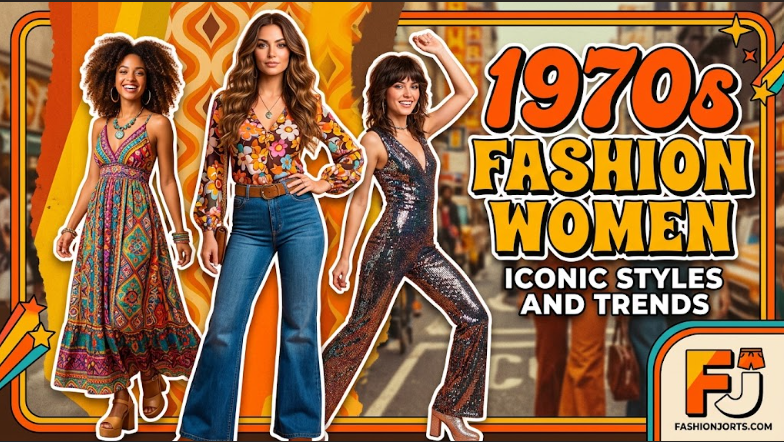
The 1970s was a decade when women’s fashion became a powerful form of self-expression. Clothing was no longer about following one strict style rule; instead, women mixed comfort, creativity, and confidence to create looks that reflected their personalities. From flowing dresses and flared jeans to glamorous evening outfits, the decade offered a wide range of fashion choices that still influence designers and vintage lovers today. The beauty of 1970s women’s fashion was its variety. Some women embraced relaxed bohemian outfits inspired by nature and travel, while others preferred sharp suits, bold prints, or the glamorous energy of disco culture. Each style represented a different side of the decade’s changing social and cultural atmosphere.
How Women’s Fashion Changed During the 1970s
The early 1970s continued the free-spirited influence of the previous decade. Many women moved toward comfortable clothing with softer shapes, natural fabrics, and artistic details. Fashion became less formal, allowing women to choose outfits that matched their daily lives instead of dressing according to traditional expectations. As the decade progressed, women’s clothing became more diverse. Jeans became acceptable for everyday wear, trousers became common in professional settings, and designers introduced styles that combined practicality with elegance. The modern woman’s wardrobe was becoming more flexible. The influence of music also shaped fashion throughout the decade. Rock, folk, and disco scenes introduced new clothing ideas, creating distinct styles that women could adopt based on their interests and personalities.
Bell Bottom Jeans Became a 1970s Fashion Icon
Few clothing pieces represent the seventies better than bell-bottom jeans. These trousers featured a narrow fit around the upper legs before widening below the knees, creating a dramatic shape that became instantly recognizable. Women often styled bell bottoms with fitted shirts, printed blouses, denim jackets, and platform shoes. The contrast between the wider pants and more fitted tops created a balanced silhouette that became one of the most popular outfit combinations of the era. Although bell bottoms started with counterculture movements, they eventually became mainstream fashion. They appeared in casual wardrobes, music scenes, and designer collections, proving that denim had become more than simple everyday clothing.
Bohemian Dresses and Free-Spirited Style
Bohemian fashion was one of the most memorable parts of 1970s women’s clothing. Inspired by artistic communities and natural living, this style focused on relaxed shapes, detailed patterns, and a handmade appearance. Women wore long maxi dresses, embroidered tops, crochet pieces, suede jackets, and flowing skirts. Floral patterns, earthy colors, and layered accessories helped create a romantic and effortless look. The popularity of bohemian fashion showed a desire for individuality. Instead of dressing exactly like everyone else, women used clothing to express their interests, creativity, and personal values.
The Rise of Women’s Pantsuits and Modern Workwear
The 1970s brought major changes to women’s professional fashion. As more women entered workplaces and careers, traditional ideas about office clothing began to change. Pantsuits became a stylish alternative to skirts and dresses, offering both confidence and comfort. These suits often featured wide lapels, tailored jackets, high-waisted trousers, and bold patterns. Unlike earlier women’s workwear, seventies pantsuits allowed women to create a stronger visual presence while maintaining a fashionable appearance. The wrap dress also became a defining piece of the decade. Its comfortable design and flattering shape made it popular among women who wanted clothing that worked for both professional and social settings.
Disco Fashion Created a New Era of Glamour
By the late 1970s, disco culture had transformed evening fashion. Nightclubs became places where women experimented with eye-catching clothing designed to move, shine, and attract attention. Disco-inspired outfits often included jumpsuits, metallic fabrics, sequined dresses, halter tops, and high platform shoes. These styles were more dramatic than everyday clothing and represented the excitement of nightlife. The goal was not simplicity. Disco fashion celebrated confidence, energy, and a willingness to stand out.
Colors, Fabrics, and Patterns of the Seventies
The color palette of the 1970s was heavily influenced by nature. Warm shades such as brown, orange, mustard yellow, olive green, and cream appeared frequently in clothing collections. Denim, suede, leather, polyester, and soft cotton were popular materials. Each fabric created a different feeling, from casual denim outfits to luxurious evening looks. Patterns were also important during the decade. Floral prints, geometric designs, stripes, and textured fabrics allowed women to add personality to even simple outfits.
Accessories That Completed 1970s Women’s Outfits
Accessories played an important part in seventies fashion. Women used shoes, jewelry, and handbags to transform basic clothing into complete looks. Platform shoes became closely associated with disco fashion, while boots worked well with jeans, dresses, and skirts. Wide belts helped define flowing outfits, and oversized sunglasses added a dramatic finishing touch. Large earrings, scarves, headbands, and fringe bags were also popular choices. These details allowed women to customize their appearance and make outfits feel unique.
Hairstyles and Beauty Trends of the 1970s
Hair trends changed throughout the decade, but natural movement and volume remained popular. Long layered hairstyles, soft waves, and feathered cuts became signature looks. Farrah Fawcett’s feathered hairstyle became one of the most recognizable beauty trends of the era, inspiring many women to copy the soft, layered style. Makeup generally focused on a fresh appearance. Natural skin, defined eyes, and glossy lips were common choices, although disco culture encouraged more dramatic looks for evening events.
Fashion Icons Who Defined the Decade
Several women became closely connected with 1970s fashion. Cher was known for bold outfits and dramatic designs that challenged traditional ideas of celebrity style. Jane Birkin represented effortless bohemian fashion with simple yet memorable looks. Diane von Furstenberg changed women’s fashion with her famous wrap dress, while Farrah Fawcett influenced beauty trends through her iconic hairstyle. These women showed that fashion could represent personality rather than simply following trends.
Why 1970s Women’s Fashion Remains Popular Today
The influence of seventies fashion continues because the decade offered styles that feel both expressive and practical. Modern collections often bring back flared jeans, platform shoes, vintage prints, and relaxed silhouettes with updated designs. Many people are attracted to 1970s fashion because it encourages creativity. Instead of requiring a perfect matching outfit, it allows different pieces, textures, and patterns to work together. Today, wearing seventies-inspired clothing is less about copying the past and more about adapting its sense of freedom to modern style.
Conclusion
1970s fashion women embraced was about choice, confidence, and creativity. The decade introduced styles that allowed women to dress according to their personalities rather than strict fashion rules. From everyday denim to glamorous disco clothing, the seventies created some of the most recognizable looks in fashion history. Its influence remains strong because these styles continue to represent individuality and self-expression. For anyone exploring vintage fashion today, the 1970s offer endless inspiration through bold designs, comfortable silhouettes, and timeless ideas about personal style.