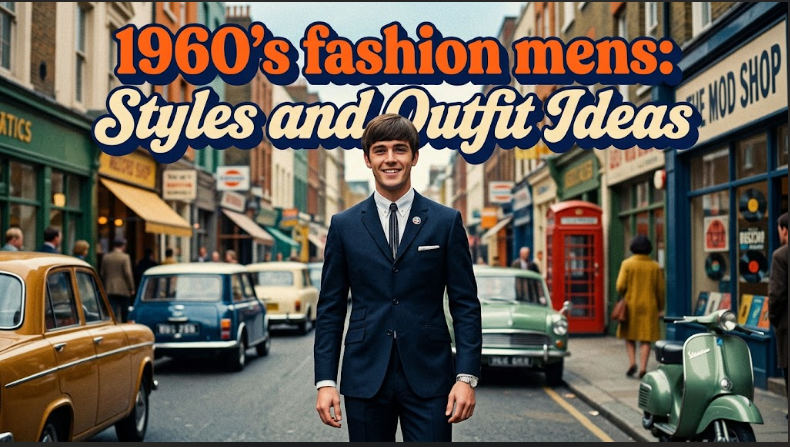
The 1960s gave men more freedom to experiment with clothing, moving beyond traditional suits and conservative colors. Slim tailoring, leather jackets, fitted sweaters, patterned shirts, and denim became important parts of everyday style. Music, British youth culture, and changing social attitudes helped shape the decade’s distinctive looks. Today, these styles remain useful inspiration for anyone who appreciates vintage clothing and timeless menswear.
How Men’s Fashion Changed During the 1960s
At the beginning of the decade, many men favored formal clothing, including structured jackets, pressed trousers, button-down shirts, and polished shoes. As younger generations developed their own tastes, clothing became more closely connected to music, art, and personal identity. British fashion movements introduced sharper silhouettes, while American casualwear encouraged a more relaxed approach to dressing. By the late 1960s, men’s wardrobes had become more varied. Some continued wearing neatly tailored suits, while others preferred colorful prints, flared trousers, suede jackets, and informal clothing. This mixture of traditional and experimental styles made the decade especially influential.
The Most Popular 1960s Men’s Fashion Trends
Mod Style and Slim-Fit Suits
Mod fashion offered a clean, modern alternative to traditional menswear. Its signature pieces included narrow-lapel jackets, tapered trousers, slim ties, and carefully polished footwear. Young men often favored coordinated outfits that looked sharp without appearing overly formal. A simple Mod-inspired outfit combines a charcoal suit, white shirt, narrow black tie, and Chelsea boots. For a casual version, replace the suit jacket with a fitted Harrington-style jacket and wear it with straight-leg trousers. The emphasis should remain on clean lines and a well-proportioned fit.
The Beatles-Inspired Look
The Beatles became widely associated with the fashion of young British men during the early 1960s. Their matching suits, collarless jackets, slim trousers, and ankle boots helped establish a recognizable pop-culture look. As their music and public image changed, their clothing also became more colorful and experimental. You can recreate their early style with a collarless jacket, dark trousers, and simple black boots. For inspiration from their later years, consider a patterned shirt or a colorful military-style jacket. Both approaches capture different stages of the decade without requiring an exact replica of a stage costume.
Colorful Shirts and Bold Patterns
As men’s fashion became more expressive, shirts developed into statement pieces. Paisley prints, floral designs, wide collars, and brighter colors offered alternatives to the plain dress shirts traditionally worn with suits. Velvet jackets and wider ties also helped create distinctive outfits. The trick to wearing these pieces today is to balance them with simpler clothing. A paisley shirt works well with dark trousers, while a velvet blazer can be paired with a plain shirt and understated shoes. This keeps the outfit wearable while preserving its vintage character.
Denim Jeans and Casual Clothing
Denim became an increasingly recognizable part of youth fashion during the decade. Straight-leg jeans, casual button-down shirts, basic T-shirts, and lightweight jackets offered comfort without requiring formal tailoring. These pieces also suited the growing influence of rock music and informal social settings. For an everyday vintage-inspired outfit, wear blue jeans with a white T-shirt, leather belt, and dark boots. A checked shirt or simple denim jacket adds another layer when the weather calls for it. Choose straightforward cuts rather than heavily distressed finishes for a look closer to classic 1960s casualwear.
Leather Jackets and Rock-Inspired Style
Leather jackets brought a tougher edge to men’s clothing. Black and dark brown designs were easy to combine with jeans, plain shirts, and boots, making them practical for men who preferred an understated appearance. Their connection with motorcycle culture and rock-inspired fashion gave them a rebellious reputation. A black leather jacket over a white T-shirt creates a straightforward retro outfit. For a softer look, choose brown leather and combine it with dark denim and a neutral knit sweater. Minimal accessories allow the jacket to remain the focus.
Hippie and Bohemian Clothing
Late-1960s counterculture introduced a more relaxed approach to men’s fashion. Loose shirts, floral prints, suede vests, flared trousers, and longer hairstyles became associated with men who wanted to move away from conventional dress codes. Secondhand clothing and garments with decorative details also appealed to people interested in individual expression. To create a bohemian-inspired outfit, pair a loose patterned shirt with flared jeans and suede boots. An embroidered jacket or fringed vest can add texture, although one statement piece is often enough. The overall look should feel relaxed rather than overly coordinated.
1960s Men’s Fashion Through the Decade
Early-1960s fashion generally retained a more formal appearance, with tailored suits, narrow ties, and neat hairstyles. By the middle of the decade, Mod clothing and pop musicians had helped popularize fitted jackets, slim trousers, and collarless designs. Toward the end, vivid prints, wider collars, flared trousers, and bohemian influences became more visible. These styles did not replace one another overnight. Men continued wearing conventional business clothing while younger fashion enthusiasts explored new designs. Understanding this overlap helps you choose an outfit that reflects a particular part of the decade rather than mixing unrelated trends.
What Shoes Did Men Wear in the 1960s?
Footwear played an important part in completing an outfit. Chelsea boots and Beatle boots suited slim trousers, while leather loafers worked well with collegiate-inspired clothing. Traditional dress shoes remained a practical choice for formal occasions. Later in the decade, some men experimented with higher heels, pointed shapes, and more distinctive boots. For a modern vintage wardrobe, start with black Chelsea boots or simple leather loafers because both options work with a range of clothing. The shape of the shoe should complement the trousers rather than compete with them.
1960s Men’s Hairstyles and Accessories
Men’s hairstyles changed alongside clothing trends. Short, neatly parted hair remained common in the early years, while the Beatles’ mop-top cuts became influential among younger men. Longer hair and more prominent sideburns grew more visible later in the decade. Accessories also helped distinguish different styles. Narrow ties, leather belts, wristwatches, and understated rings suited tailored outfits, while patterned scarves and wider ties worked with more expressive clothing. Choose accessories according to the look you want instead of wearing every vintage detail at once.
How to Wear 1960s Men’s Fashion Today
You can bring the decade into a modern wardrobe without dressing entirely in vintage clothing. Start with versatile pieces such as a fitted blazer, straight-leg jeans, a plain turtleneck, or a leather jacket. These items provide a foundation that works for everyday occasions as well as themed events. Pay attention to fit and fabric. Slim trousers and structured jackets create a Mod-inspired appearance, while wider trousers and loose shirts lean toward late-1960s fashion. Thrift stores and vintage shops can be useful places to find distinctive pieces, but modern clothing can work just as well when the silhouette is right.
Conclusion
The appeal of 1960s men’s fashion comes from its variety. The decade offered everything from sharp, understated tailoring to expressive prints and relaxed bohemian clothing, allowing men to develop looks that reflected their personalities. You don’t need to recreate an entire period outfit to appreciate its influence. A carefully chosen jacket, a well-fitting pair of trousers, or a distinctive shirt can introduce vintage character into an otherwise modern wardrobe. Start with the style that suits your everyday preferences, then experiment with details as your confidence grows. The best retro outfits are those that feel natural to wear rather than costumes designed only to imitate the past.