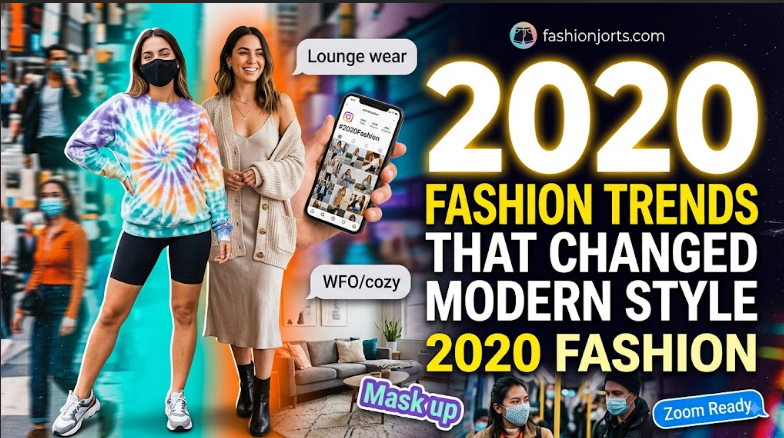
Fashion in 2020 was shaped by an unusual combination of global events, digital influence, and changing lifestyles. As daily routines moved indoors, clothing choices changed from dressing for offices, events, and social gatherings to creating wardrobes that worked for home, comfort, and personal expression. The year became a defining moment for modern fashion because it challenged traditional ideas about what people should wear. Relaxed silhouettes replaced structured outfits, online communities created new aesthetics, and consumers began thinking differently about quality, sustainability, and personal style. The trends of 2020 were not just about appearance; they reflected how people adapted to a completely different way of living.
The Shift From Formal Dressing to Everyday Comfort
Before 2020, many wardrobes were built around specific occasions: office clothing, travel outfits, formal events, and seasonal collections. The sudden increase in remote work changed those priorities. People wanted clothing that felt comfortable for long hours at home while still allowing them to look polished during virtual meetings. This shift helped casual clothing move into the center of everyday fashion. Soft fabrics, relaxed fits, and practical designs became more desirable because they matched the new routines of millions of people. Sweatshirts, knitwear, relaxed trousers, and simple layering pieces became wardrobe essentials. Instead of buying clothing only for special occasions, many consumers focused on versatile items they could wear repeatedly.
Loungewear Became a Mainstream Fashion Category
Loungewear was one of the strongest fashion movements of 2020. Matching sweat sets, oversized hoodies, joggers, and comfortable basics became widely accepted outside the home. The popularity of loungewear was not only about comfort. Coordinated sets gave people an easy way to create a complete outfit without spending much time styling. Neutral colors, clean designs, and high-quality fabrics helped transform home clothing into something fashionable. This trend also influenced future fashion. Even after people returned to offices and social activities, many continued choosing relaxed clothing because comfort had become an important part of personal style.
Cottagecore and the Search for Simplicity
One of the most recognizable aesthetics of 2020 was cottagecore. Unlike fast-moving streetwear trends, cottagecore focused on a slower, more nostalgic vision of fashion. The style drew inspiration from rural life, vintage clothing, and handmade details. Popular pieces included floral dresses, embroidered fabrics, puff sleeves, linen garments, and soft earthy colors. Social media platforms helped cottagecore spread quickly. During periods when many people spent more time indoors, the aesthetic appealed because it represented calm surroundings, nature, and a simpler lifestyle.
The Influence of Nostalgia on Clothing Choices
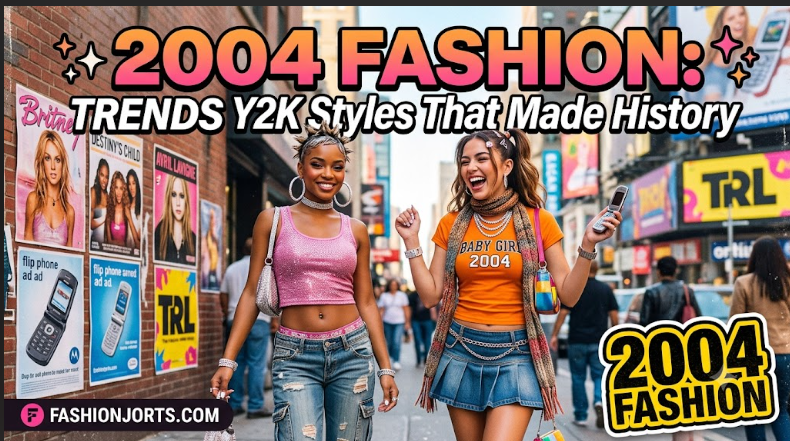
2020 fashion also looked backward for inspiration. Styles from the 1990s and early 2000s returned as younger consumers discovered older trends through online platforms. Loose denim, cropped tops, cardigans, slip dresses, and small handbags became popular again. However, these trends were rarely copied exactly from the past. People combined vintage references with modern pieces to create individual looks. This mixing of decades became a major characteristic of early 2020s fashion. Instead of following one dominant style, consumers created personal combinations based on their interests and online influences.
Face Masks Entered the World of Fashion
The introduction of face masks into everyday life created a completely new fashion category. What began as a health necessity quickly became part of personal style. Designers, fashion brands, and independent creators produced masks in different colors, patterns, and materials. Some people matched masks with their outfits, while others used them as accessories that added personality to simple clothing. The popularity of fashionable masks showed how quickly fashion responds to social changes. Even practical items can become part of identity and self-expression.
Social Media Became a Powerful Fashion Platform
In 2020, social media became one of the fastest ways for fashion trends to spread. Platforms such as TikTok, Instagram, and Pinterest allowed users to discover and recreate styles from around the world. Online fashion communities helped popularize aesthetics such as cottagecore, dark academia, minimalist dressing, and vintage-inspired outfits. These trends often developed outside traditional fashion institutions and grew through user-generated content. This changed the relationship between consumers and fashion. People were no longer only following designers or celebrities; everyday users became creators who influenced what others wore.
Sustainability and More Thoughtful Shopping
Sustainability continued gaining attention in 2020 as consumers became more aware of how clothing was produced and purchased. Many people started focusing on buying fewer pieces, choosing better quality items, and exploring secondhand options. Vintage stores, resale platforms, and clothing exchanges became more appealing because they offered unique pieces while reducing waste. The conversation around sustainable fashion also encouraged shoppers to think about how long clothing would remain useful. However, sustainable fashion remained challenging. Price, availability, and transparency from brands continued to influence whether consumers could make environmentally responsible choices.
How Men’s Fashion Changed in 2020
Men’s fashion in 2020 moved toward relaxed and flexible clothing. Traditional formal styles became less important for everyday wear, while casual pieces gained popularity. Oversized shirts, comfortable trousers, sneakers, lightweight jackets, and simple layering became common choices. Streetwear continued influencing men’s style, especially through casual combinations that prioritized practicality. The year also encouraged men to build wardrobes around fewer but more adaptable pieces that could work across different situations.
How Women’s Fashion Changed in 2020
Women’s fashion balanced comfort with romantic and expressive details. While casual clothing dominated daily wear, many trends still focused on creativity and individuality.
Popular styles included:
- Flowing dresses
- Oversized sweaters
- Wide-leg trousers
- Vintage-inspired pieces
- Comfortable footwear
- Soft knitwear
The combination of relaxed clothing with feminine details created a style approach that remained influential beyond 2020.
The Long-Term Impact of 2020 Fashion
The biggest impact of 2020 fashion was the change in priorities. Comfort became a lasting expectation, and many people began choosing clothing based on lifestyle rather than traditional fashion rules. The year also accelerated digital fashion discovery. Online communities, influencers, and social platforms became central sources of inspiration, changing how trends are created and shared. 2020 showed that fashion is closely connected to society. Clothing reflects how people work, communicate, spend time, and express themselves.
Conclusion
2020 fashion represented a major change in how people viewed clothing. Style became less focused on dressing for outside expectations and more connected to comfort, creativity, and personal identity. The trends of the year reflected a society adapting to new circumstances. From loungewear and cottagecore to sustainable shopping and digital fashion communities, 2020 created ideas that continue to influence modern wardrobes. Rather than being remembered only as a year of disruption, 2020 can be seen as a moment when fashion became more personal, practical, and connected to everyday life.