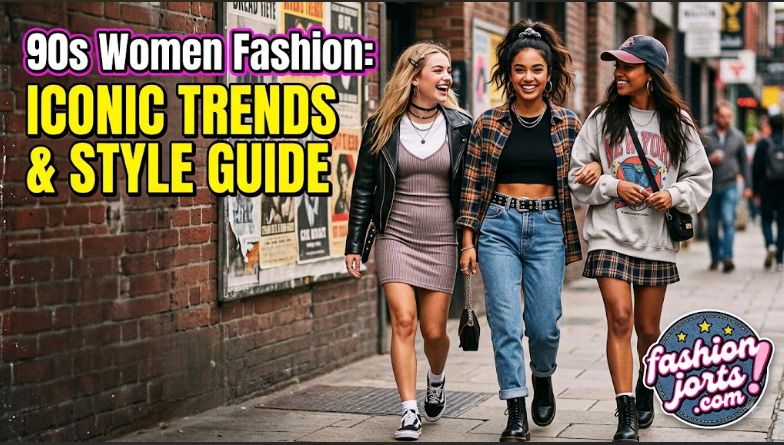
The 1990s created a fashion identity that still feels relevant decades later. Unlike the dramatic styles of the 1980s, women’s fashion in the 90s focused on individuality, comfort, and effortless confidence. The decade introduced a mix of minimalism, streetwear, grunge, and feminine silhouettes that allowed women to express different sides of their personalities. From the silky slip dresses worn by supermodels to oversized denim and casual sneakers seen on the streets, 90s style was never about following one strict formula. It was a decade where fashion became more personal. Women borrowed inspiration from music, television, movies, and everyday life to create looks that felt authentic. Today, many 90s trends have returned because they offer something modern fashion often seeks: simplicity, versatility, and a strong sense of character.
The Fashion Shift That Defined the 1990s
The beginning of the 1990s marked a departure from the bold colors, heavy styling, and oversized glamour associated with the previous decade. Designers began moving toward cleaner shapes, neutral tones, and clothing that appeared more natural and relaxed. Minimalism became one of the strongest movements of the era. Simple dresses, tailored jackets, monochrome outfits, and understated accessories represented a new type of elegance. Instead of using clothing to display status, many women used fashion to communicate confidence and personal taste. However, the decade was not limited to simple designs. Alongside minimalism, other styles developed through youth culture, music scenes, and celebrity influence. The result was one of the most diverse fashion periods of the modern era.
Slip Dresses Became the Symbol of 90s Elegance
The slip dress remains one of the most recognizable pieces from 90s women’s fashion. With thin straps, lightweight fabrics, and a simple shape, it represented the decade’s preference for effortless beauty. Unlike heavily structured dresses from earlier years, slip dresses created a relaxed silhouette. Women wore them with delicate heels for formal occasions or styled them casually with T-shirts, cardigans, and boots. The popularity of the slip dress was closely connected to the rise of supermodel culture. Figures such as Kate Moss helped introduce a more understated approach to glamour, where confidence and simplicity became central to the look.
How Grunge Changed Women’s Everyday Style
Grunge fashion introduced a completely different attitude. Influenced by alternative rock music and the underground scene of the early 1990s, grunge rejected the idea that clothing needed to appear perfectly coordinated. Women embraced clothing that looked comfortable and slightly imperfect. Oversized flannel shirts, worn denim, loose sweaters, and combat boots became recognizable elements of the style. One of the reasons grunge remained influential was the way it mixed contrasts. A floral dress could be paired with heavy boots, or a feminine outfit could be balanced with an oversized jacket. This combination created a look that felt both practical and rebellious.
Denim Became a Wardrobe Essential
Denim was one of the most important materials of the decade. Jeans were no longer only casual clothing; they became a foundation of everyday style. High-waisted jeans, relaxed-fit denim, jackets, and skirts appeared everywhere. Many women combined simple pieces such as a white T-shirt, denim jacket, and sneakers to create an outfit that looked comfortable but intentional. The popularity of denim came from its flexibility. It worked with nearly every major 90s style, from minimalist fashion to streetwear and casual weekend clothing.
The Influence of Television, Movies, and Music
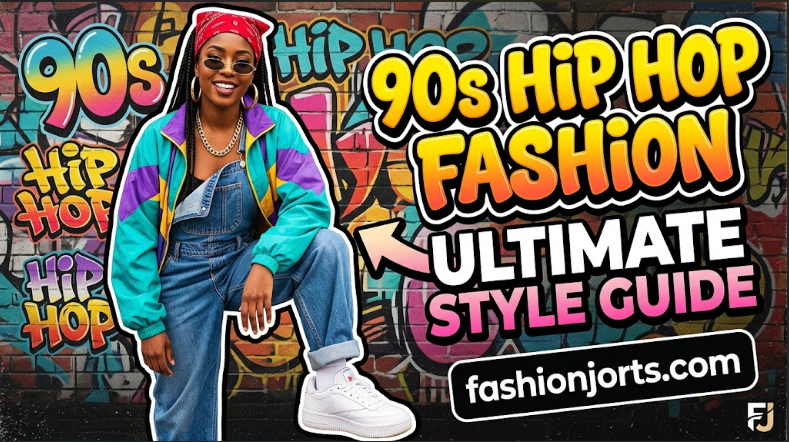
Popular culture had a powerful effect on what women wore during the 1990s. Television characters, movie stars, and musicians became major sources of fashion inspiration. The television series Friends influenced everyday style with relaxed outfits, simple layering, and Jennifer Aniston’s famous layered haircut known as “The Rachel.” The 1995 film Clueless brought preppy fashion into the spotlight with coordinated outfits, plaid skirts, and polished school-inspired looks. Music also shaped fashion choices. Hip-hop culture influenced oversized clothing, sneakers, sportswear, and street-inspired outfits. Meanwhile, alternative music scenes helped popularize darker colors, vintage pieces, and relaxed styling.
The Rise of Supermodel Style
The 1990s was often called the era of the supermodel. Models including Naomi Campbell, Cindy Crawford, Linda Evangelista, Christy Turlington, and Kate Moss became global fashion figures. Their style represented confidence and sophistication. Popular looks included fitted blazers, simple dresses, leather jackets, sunglasses, and neutral-colored outfits. The supermodel influence showed that fashion did not always need excessive decoration. A carefully chosen outfit with strong basics could create a memorable appearance.
Accessories That Completed 90s Outfits
Accessories played an important role in creating a complete 90s look. Small details often transformed simple clothing into a recognizable style. Chokers became one of the decade’s signature accessories, especially among younger women. Velvet chokers, tattoo-style designs, and simple black necklaces were commonly paired with casual and evening outfits. Mini shoulder bags also became extremely popular. Their compact shape and short straps made them a defining accessory of late 90s fashion.
Other memorable accessories included:
- Butterfly hair clips
- Scrunchies
- Hoop earrings
- Bandanas
- Small sunglasses
These items reflected the playful and experimental side of the decade.
Hairstyles and Beauty Trends of the 90s
Beauty trends changed throughout the decade, moving between glamorous and natural styles. Women experimented with different hairstyles and makeup depending on personal preference and cultural influences. The layered “Rachel” haircut became one of the most requested hairstyles of the decade. Straight hair with a center part, high ponytails, claw clips, and soft layers were also popular. Makeup trends included brown lipstick, matte skin, neutral eyeshadow, and defined eyebrows. The overall beauty aesthetic focused on looking polished without appearing overly dramatic.
Why 90s Fashion Is Returning Today
The return of 90s fashion is connected to changing attitudes toward clothing. Many people today appreciate styles that are comfortable, reusable, and easy to combine with modern pieces. Vintage denim, simple dresses, oversized jackets, and classic accessories fit naturally into current wardrobes. Instead of copying the decade completely, many people mix 90s-inspired pieces with contemporary clothing. Social media and celebrity fashion have also helped bring back interest in the era. Designers frequently revisit 90s silhouettes because they remain recognizable and adaptable.
How to Wear 90s Inspired Fashion Today
Modern 90s-inspired outfits work best when they feel balanced. Wearing every trend from the decade at once can make an outfit appear costume-like, but combining a few key elements creates a more current look. A slip dress with sneakers creates a relaxed modern outfit. Straight-leg jeans with a fitted top capture the casual side of the decade. An oversized blazer with simple accessories reflects the minimalist influence of 90s fashion. The goal is not to recreate the past exactly. It is to borrow the confidence and simplicity that made the decade memorable.
Common Mistakes When Wearing 90s Fashion Today
One common mistake is combining too many recognizable 90s pieces together. For example, wearing a choker, oversized denim, platform shoes, and multiple colorful accessories at the same time can make an outfit feel outdated. Another mistake is choosing trends without considering fit. Many 90s styles were intentionally oversized, but modern versions often require balance. Pairing a loose jacket with a more fitted piece can create a cleaner silhouette. The best 90s-inspired outfits focus on one or two elements from the decade while keeping the overall look personal.
Conclusion
90s women fashion remains influential because it gave women more freedom to define their own style. The decade did not rely on one perfect image of beauty; instead, it embraced different personalities, from minimalist elegance to rebellious streetwear. The strongest pieces from the 1990s have survived because they are practical, comfortable, and easy to personalize. Denim, simple dresses, relaxed layers, and classic accessories continue to work because they fit everyday life. The lasting appeal of 90s fashion is not only the clothing itself but the attitude behind it. The decade encouraged women to dress with confidence, experiment with different styles, and create looks that felt genuinely their own.