Fashion has always been a reflection of human imagination. Every generation creates new styles that represent its values, culture, and vision of the future. Futuristic fashion takes that idea further by exploring what clothing could become when creativity meets technology, science, and changing lifestyles. From space-inspired outfits and metallic fabrics to smart garments and digital clothing, futuristic fashion is not only about looking different. It explores how clothing can become more useful, personal, and connected to the way people live. The future of fashion may not look exactly like science-fiction movies predicted, but it is already moving toward smarter materials, experimental designs, and new ways of expressing identity.
What Is Futuristic Fashion?
Futuristic fashion is a style movement focused on designs that imagine the clothing of tomorrow. It combines unusual shapes, advanced materials, technology-based features, and creative concepts that challenge traditional ideas about clothing. Some futuristic designs are created for artistic expression, while others focus on practical improvements. A designer may experiment with reflective fabrics to create a futuristic appearance, while another may develop clothing that reacts to temperature or movement. The central idea behind this style is exploration. Futuristic fashion asks designers and consumers to think beyond ordinary clothing and consider how garments might adapt to future needs.
The Origins of Futuristic Fashion
The idea of future-inspired clothing is not new. During the 1960s, the Space Age influenced fashion as designers looked toward space exploration and technological progress for inspiration. Designers such as André Courrèges and Pierre Cardin introduced geometric shapes, clean lines, and synthetic materials that created a modern vision of the future. Science-fiction films and popular culture also shaped futuristic style. Movies featuring advanced civilizations, robots, and space travel introduced audiences to imaginative clothing concepts that later influenced designers. Over time, futuristic fashion moved from fantasy into real experimentation. Advances in textiles, electronics, and digital technology allowed designers to explore clothing that could offer more than appearance.
The Role of Technology in Modern Fashion
Technology has become one of the strongest influences on future-focused clothing. Designers are now exploring ways to combine fashion with digital tools and scientific research. Smart clothing is one example of this change. These garments may include sensors, electronic components, or responsive materials that can collect information or adjust to different conditions. While many smart clothing ideas are still developing, they show how clothing may become more interactive in the future. Technology is also changing the design process itself. Digital programs and artificial intelligence tools allow designers to experiment with patterns, shapes, and concepts faster than traditional methods.
Smart Clothing and Wearable Innovation
Smart clothing represents one of the most practical areas of futuristic fashion. Unlike traditional garments, smart clothing can interact with the wearer or the surrounding environment. Future clothing concepts may include materials that help regulate body temperature, monitor physical activity, or improve comfort during different situations. Athletes, healthcare professionals, and outdoor workers are some groups that may benefit from these developments. However, creating smart clothing for everyday use comes with challenges. Designers must consider comfort, durability, price, and ease of cleaning. A garment may have advanced technology, but people will not wear it if it is uncomfortable or difficult to maintain.
The Influence of Cyberpunk and Techwear
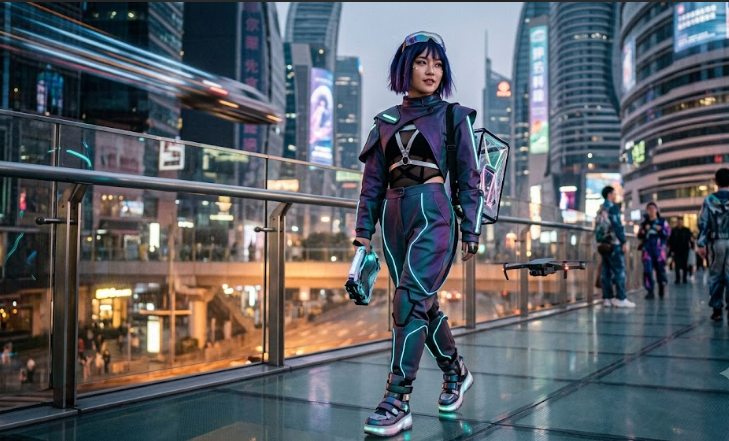
Cyberpunk and techwear have played a major role in shaping modern futuristic aesthetics. These styles often combine practical clothing features with a futuristic appearance. Techwear focuses on functionality through elements such as weather-resistant materials, layered designs, and useful details. Cyberpunk-inspired fashion often uses darker colors, bold accessories, and industrial influences to create a connection between humans and technology. These styles have become popular because they balance imagination with everyday practicality. They show that futuristic fashion does not always need extreme designs; it can also appear through small details and functional choices.
Digital Fashion and Virtual Clothing
The growth of digital spaces has created a new category of fashion that exists online rather than physically. Digital fashion allows designers to create clothing for avatars, virtual worlds, gaming environments, and online identities. This concept changes the traditional relationship between clothing and ownership. Instead of buying a physical jacket or dress, someone may purchase a digital outfit for their online appearance. Digital fashion also creates opportunities for experimentation because designers are not limited by physical materials. Clothing can have impossible shapes, unusual movements, or creative effects that would not work in the real world.
Sustainable Ideas Behind Future Fashion
Future fashion is not only about technology and appearance. Sustainability has become an important part of discussions about where the industry is heading. Designers are exploring recycled fabrics, alternative materials, and production methods that reduce waste. The goal is to create clothing that has a lower environmental impact while still meeting consumer expectations. Future-focused fashion may also encourage people to think differently about clothing ownership. Longer-lasting garments, adaptable designs, and digital alternatives could influence how people buy and use fashion products.
How to Add Futuristic Style to Everyday Outfits
Futuristic fashion does not require wearing a dramatic costume. Many modern interpretations can easily become part of daily wardrobes. Simple ways to include futuristic elements include choosing structured jackets, metallic accessories, technical fabrics, modern sneakers, or minimalist outfits with unusual shapes. The key is balance. A futuristic piece works best when combined with familiar clothing. A reflective jacket, for example, can become a stylish everyday item when paired with simple basics.
Challenges Facing Futuristic Fashion
Although futuristic fashion offers exciting possibilities, it also faces limitations. Advanced materials and smart technologies can be expensive to produce and difficult to scale for mass markets. There are also questions about privacy, especially with clothing that collects personal information. Consumers may want smarter clothing, but they will also expect transparency about how their data is used. Another challenge is acceptance. Fashion depends on personal taste, and not every futuristic idea will become popular. Some designs may remain artistic experiments rather than becoming everyday trends.
The Future of Futuristic Fashion
The future of fashion will likely combine traditional craftsmanship with new technology. People will still value creativity, comfort, and personal expression, but clothing may become more adaptable and connected. Rather than replacing existing fashion, futuristic ideas will probably become part of everyday clothing in gradual ways. Materials may improve, digital experiences may expand, and technology may become less visible while still influencing how garments function. Futuristic fashion represents curiosity about what comes next. It allows designers to question current limits and imagine clothing that better fits the changing needs of society.
Conclusion
Futuristic fashion represents more than a visual style. It reflects how designers imagine the relationship between people, technology, and the clothes they wear. The future of fashion will likely not arrive as one dramatic change. Instead, it will develop through small improvements in materials, design methods, and digital experiences that gradually become part of everyday life. As creativity continues to meet technology, futuristic fashion will remain a space where new ideas are tested and new possibilities are explored. The clothing of tomorrow may look different, but its purpose will remain the same: helping people express who they are.