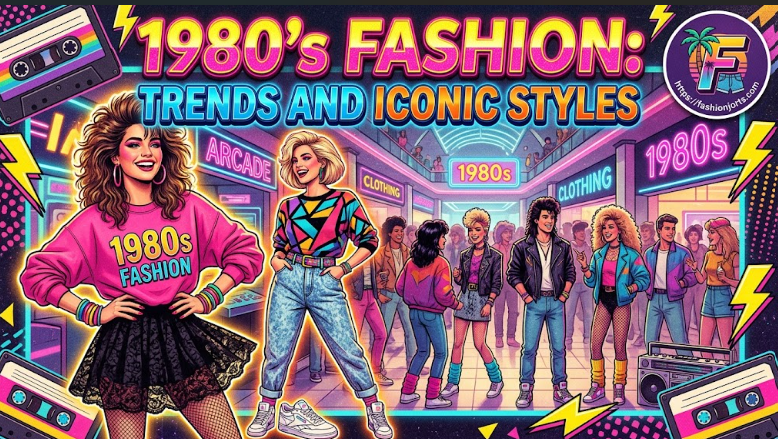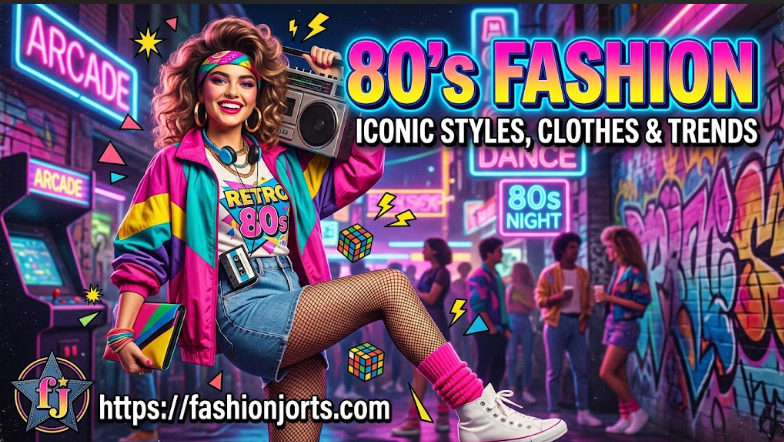
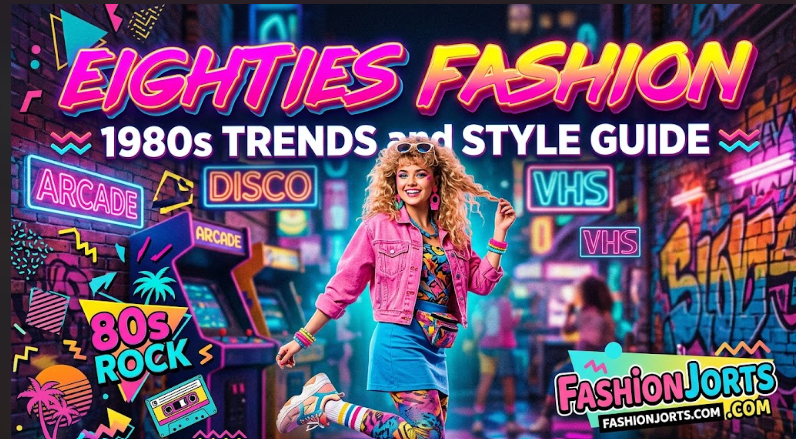
Eighties fashion was a decade of confidence, experimentation, and unforgettable style choices. Unlike the understated looks of some earlier periods, the 1980s encouraged people to stand out through bold colors, dramatic shapes, oversized clothing, and expressive accessories. Fashion became a way to show personality, whether someone was dressing for the workplace, a concert, a party, or everyday life. The decade created some of the most recognizable fashion moments in history. Shoulder-padded jackets, acid-wash jeans, colorful sportswear, leather pieces, and statement jewelry became symbols of a generation that embraced creativity. Even today, designers and fashion lovers continue to revisit these styles because they represent individuality and confidence.
The Rise of Bold Style in the 1980s
The 1980s changed the way people viewed clothing. Instead of focusing only on elegance or practicality, fashion became a form of personal identity. People experimented with different styles, mixing luxury, casual wear, athletic clothing, and rebellious influences. Television, music videos, and celebrities had a major impact on what people wore. The growth of MTV brought musicians directly into people’s homes, allowing fans to copy the looks of their favorite artists. Fashion was no longer limited to magazines or runways; it became part of everyday entertainment. The decade also reflected social changes. Professional success, fitness culture, and youth movements all influenced clothing choices, creating a wide range of styles that existed side by side.
Power Dressing and the Era of Strong Silhouettes
One of the most memorable trends of eighties fashion was power dressing. This style became popular as more women built professional careers and wanted clothing that represented confidence and authority. Tailored jackets, structured suits, and wide shoulder designs became common features of workplace fashion. Shoulder pads created a stronger shape and gave outfits a more dramatic appearance. The look was polished, ambitious, and designed to make an impression. Power dressing was not limited to offices. The influence spread into evening wear and casual clothing, where structured shapes and bold designs became fashionable choices.
Women’s Fashion Trends That Defined the Decade
Women’s fashion in the 1980s was full of variety. Some styles focused on glamour, while others emphasized comfort and movement. Oversized sweaters, leggings, denim jackets, miniskirts, and colorful dresses became popular wardrobe choices. Fitness culture had a major impact on everyday clothing. Workout-inspired pieces such as leggings, sweatshirts, headbands, and athletic shoes moved beyond gyms and became fashionable streetwear. This combination of comfort and style helped create a new approach to casual clothing. Accessories also played an important role. Large earrings, layered necklaces, colorful belts, and bold handbags helped complete outfits and added personality to even simple looks.
Men’s Fashion and Popular Eighties Looks
Men’s fashion during the 1980s became more expressive and relaxed. Traditional clothing styles were updated with larger shapes, brighter colors, and more casual combinations. Oversized jackets, denim clothing, leather jackets, polo shirts, and sneakers became common choices. The decade also introduced the relaxed suit style, where men combined formal jackets with casual shirts for a less traditional appearance. Television and music strongly influenced men’s clothing. Pop stars and actors introduced new hairstyles, accessories, and outfit combinations that quickly became popular among younger generations.
Neon Colors, Denim, and Statement Pieces
Bright colors were one of the clearest signs of eighties fashion. Neon shades appeared in clothing, shoes, accessories, and sportswear. Pink, green, yellow, and electric blue created energetic looks that reflected the decade’s love for attention-grabbing designs. Denim was another essential part of the era. Acid-wash jeans, oversized denim jackets, and matching denim outfits became popular among teenagers and adults. Denim represented a relaxed attitude while still allowing people to create stylish combinations. Statement clothing was also important. Graphic designs, bold patterns, and unusual color combinations helped people create outfits that felt unique rather than ordinary.
The Influence of Music and Pop Culture
Music shaped eighties fashion more than almost any previous decade. Artists became style leaders, and fans looked to performers for inspiration. Madonna influenced fashion with layered jewelry, lace details, gloves, and a mix of feminine and rebellious elements. Michael Jackson became known for military-inspired jackets, leather outfits, and recognizable accessories. Rock and hip-hop artists introduced their own styles, influencing clothing choices across different communities. Movies and television shows also contributed to fashion trends. Characters with distinctive wardrobes often became style references, showing how entertainment and clothing became closely connected.
Punk, Goth, and Alternative Styles
While bright colors and glamorous outfits dominated mainstream fashion, alternative styles offered a different direction. Punk and goth communities used clothing to express individuality and challenge traditional ideas. Leather jackets, ripped clothing, dark colors, boots, and dramatic hairstyles became important parts of these movements. These styles showed that eighties fashion was not only about luxury and color but also about creativity and personal expression. Alternative fashion gave people a way to communicate their interests and beliefs through appearance.
Eighties Hair, Makeup, and Accessories
Hair and beauty trends were just as memorable as clothing. Large hairstyles, volume, curls, and creative cuts became defining features of the decade. Many people used styling products to create dramatic shapes that matched the boldness of their outfits. Makeup trends followed the same approach. Bright eyeshadow, colorful lipstick, and strong blush created expressive looks. Beauty was treated as another way to experiment and stand out. Accessories completed the overall style. Oversized sunglasses, chunky bracelets, scrunchies, and statement earrings were often essential parts of an outfit rather than simple additions.
Why Eighties Fashion Continues to Influence Modern Style
The popularity of eighties fashion has remained strong because the decade offered something different from minimal modern trends. The focus was on personality, creativity, and confidence. Today, many people borrow individual elements from the era instead of copying complete outfits. An oversized blazer, vintage denim jacket, retro sneakers, or colorful accessory can add an eighties-inspired touch to a modern wardrobe. The lasting appeal comes from the freedom the decade represented. Eighties fashion encouraged people to experiment and create looks that reflected who they were.
How to Create an Eighties-Inspired Look Today
Creating an eighties-inspired outfit does not require wearing every trend from the decade. The best approach is to choose a few recognizable elements and combine them with modern pieces. An oversized jacket with simple jeans, a leather jacket with a graphic shirt, or colorful accessories with neutral clothing can capture the spirit of the era without looking outdated. The main idea behind the style is confidence. Eighties fashion was never about following strict rules; it was about creating a look that felt bold and personal.
Conclusion
Eighties fashion remains one of the most recognizable periods in clothing history because it celebrated creativity and self-expression. The decade produced styles that were dramatic, colorful, and impossible to ignore. Although some trends have changed over time, the influence of the 1980s continues through modern designers, vintage fashion lovers, and pop culture. The decade’s biggest lesson was simple: clothing can be a powerful way to express personality. For anyone exploring retro style today, eighties fashion offers endless inspiration. Its bold approach reminds us that fashion does not always need to be subtle to make an impact.