Fashion in the 2000s was bold, experimental, and heavily influenced by celebrities, music, and the rise of digital culture. It was a decade where people mixed glamorous pieces with casual clothing, creating outfits that were playful, expressive, and sometimes unforgettable. From low-rise jeans and cropped tops to oversized accessories and streetwear, the era had a unique identity that continues to inspire modern fashion. The decade did not follow one single style. Instead, it brought together different movements, including futuristic Y2K looks, hip-hop-inspired outfits, bohemian clothing, and alternative fashion. The result was a period where personal expression became just as important as following trends.
The Beginning of Y2K Fashion
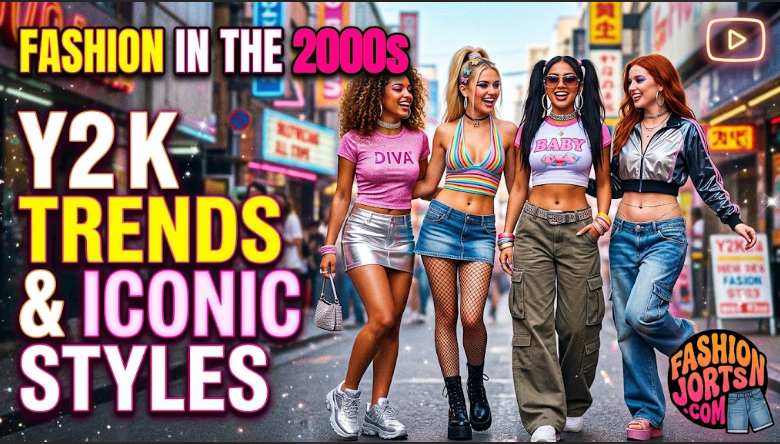
The early 2000s introduced a futuristic style known as Y2K fashion. Inspired by excitement around the new millennium and emerging technology, this trend focused on shiny fabrics, metallic colors, bright patterns, and playful designs. Many outfits featured fitted tops, mini skirts, colorful accessories, and futuristic details. Fashion during this period often looked like a vision of the future, with people experimenting with styles that felt modern and different from previous decades. The Y2K aesthetic was also connected to pop culture. Music videos, magazines, and celebrity appearances helped spread these trends quickly, making certain outfits recognizable around the world.
Low-Rise Jeans Became a Defining Trend
Low-rise jeans were one of the strongest symbols of 2000s fashion. Unlike high-waisted styles popular today, these jeans sat lower on the hips and were often worn with short tops or fitted shirts. Denim came in many forms during this decade. Bootcut jeans, flared styles, distressed finishes, and embellished designs were common choices. Jeans were not just everyday clothing; they became a way for people to show personality through cuts, washes, and details. Designer denim also became popular, with many people seeking premium jeans that were associated with celebrity style and fashion culture.
Celebrity Influence Changed Everyday Style
Celebrities had a powerful effect on what people wore during the 2000s. Before social media became the main source of fashion inspiration, fans followed celebrity outfits through television, magazines, concerts, and award shows. Pop stars such as Britney Spears, Beyoncé, Jennifer Lopez, and Christina Aguilera influenced everything from casual outfits to red-carpet fashion. Their styles often included bold accessories, fitted clothing, glamorous details, and statement pieces. Reality television also introduced new fashion personalities. Shows focused on celebrity lifestyles made viewers more interested in personal style, designer brands, and creating a polished appearance.
Velour Tracksuits and the Rise of Casual Glam
The velour tracksuit became one of the most memorable outfits of the decade. It represented the 2000s idea of combining comfort with luxury. Matching tracksuits were often styled with large sunglasses, handbags, jewelry, and fashionable shoes. Although they were originally casual clothing, they became connected with celebrity fashion and social status. This trend showed how the decade blurred the line between relaxed clothing and glamorous dressing. Everyday outfits could still feel stylish and attention-grabbing.
The Era of Logos and Statement Accessories
The 2000s embraced visible branding. Clothing and accessories often displayed designer logos, creating a connection between fashion and brand identity. Small shoulder bags, oversized sunglasses, chunky jewelry, decorative belts, and colorful accessories were essential parts of many outfits. People often used accessories to make simple clothing look more noticeable. Compared with the minimalist styles that became popular later, 2000s fashion preferred confidence and visibility. Outfits were designed to stand out rather than blend in.
Women’s Fashion Trends of the 2000s
Women’s fashion during the decade combined feminine details with experimental styling. Crop tops, baby tees, mini skirts, fitted jackets, and layered clothing were common choices. Cargo pants also became popular, bringing a practical influence into casual fashion. Many outfits included a mix of different textures, colors, and accessories. Later in the decade, bohemian fashion gained attention. Flowing dresses, layered necklaces, scarves, and relaxed silhouettes offered a softer alternative to the more glamorous early 2000s style.
Men’s Fashion and Streetwear Culture
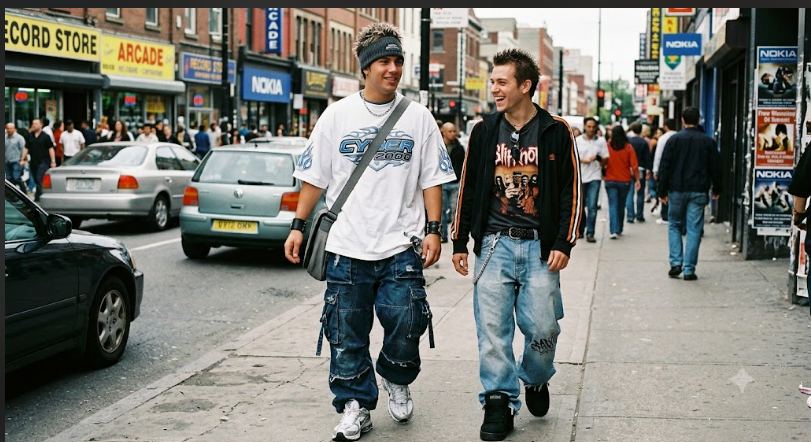
Men’s fashion in the 2000s was strongly influenced by hip-hop, skateboarding, and youth culture. Oversized clothing was especially popular during the early years of the decade. Baggy jeans, graphic T-shirts, hoodies, sneakers, and baseball caps became everyday staples. Music artists played an important role in making streetwear a major part of mainstream fashion. As the decade progressed, many men moved toward slimmer jeans, fitted shirts, and cleaner casual outfits. This shift created a different look that became popular toward the late 2000s.
Music Subcultures Created New Styles
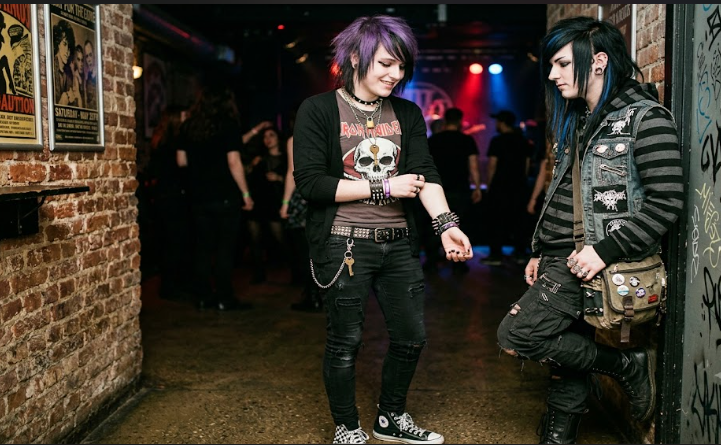
Music was one of the biggest forces behind 2000s fashion. Different genres developed their own visual identities and influenced how fans dressed. Hip-hop encouraged streetwear, luxury sneakers, and oversized clothing. Pop music promoted glamorous outfits and colorful styles. Meanwhile, emo and pop-punk movements introduced skinny jeans, band shirts, dark colors, and dramatic hairstyles. These different influences allowed people to choose clothing based on their interests and personality rather than following one universal trend.
Why 2000s Fashion Is Popular Again
The return of 2000s fashion shows how trends often come back with a modern update. Social media platforms, vintage shopping, and younger fashion communities have brought many early 2000s styles back into attention. Modern versions of Y2K fashion usually combine nostalgic pieces with current trends. Instead of copying old outfits exactly, people are mixing items like mini bags, denim, baby tees, and statement accessories with contemporary clothing. The revival proves that fashion from the 2000s still connects with people because it represents creativity, confidence, and individuality.
Conclusion
Fashion in the 2000s was a mix of experimentation, celebrity influence, and cultural change. It was a decade where people were not afraid to combine different styles, colors, and accessories. Although some trends from the era were controversial, they created a strong visual identity that remains easy to recognize today. The decade’s fashion continues to influence designers and everyday wardrobes around the world. The lasting popularity of 2000s fashion shows that memorable styles do not disappear completely. They often return in new forms, carrying the same sense of creativity and self-expression that made them popular the first time.