A good suit should feel comfortable, look balanced, and suit the occasion. Some men prefer traditional tailoring, while others choose modern cuts with a more relaxed appearance. The right choice depends on personal style, body shape, fabric, and where you plan to wear it. Men’s suits come in many designs, from simple business outfits to formal eveningwear. Small details such as button placement, lapel shape, and jacket length can change the overall appearance. Understanding these features makes it easier to find an outfit that looks appropriate without feeling overdressed.
Understanding the Main Suit Designs
The jacket is usually the first thing people notice about a suit. Its front design, button arrangement, and structure help define the style.
Single-Breasted Suits
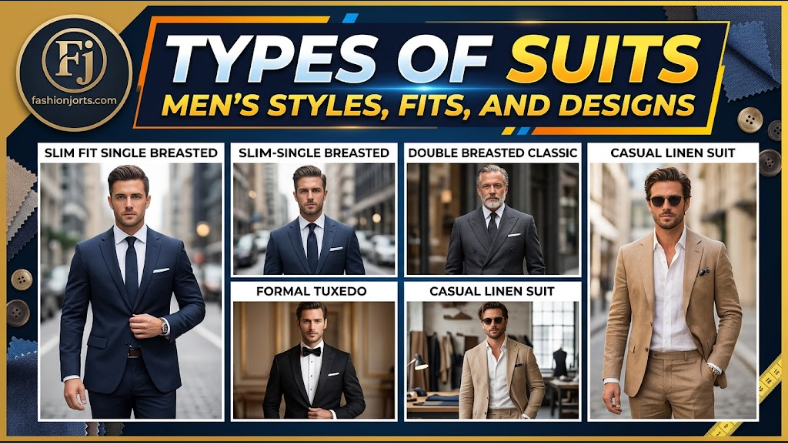
A single-breasted jacket has one front opening with a single row of buttons. It’s a popular choice because its clean shape works with different shirts, ties, and shoes. Most designs have one, two, or three buttons. A two-button jacket is a practical option for everyday professional clothing. You can wear it to meetings, interviews, weddings, and formal dinners without making your outfit look too elaborate.
Double-Breasted Suits
Double-breasted jackets have overlapping front panels and two rows of buttons. Their wider front creates a more structured appearance, often supported by pointed lapels. This design works particularly well for formal occasions and traditional menswear. A properly fitted jacket should close comfortably without pulling across the chest.
Two-Piece Suits
A two-piece outfit consists of a matching jacket and trousers. Its straightforward design makes it useful for men who need clothing for work and social events. You can also wear each piece separately. Pairing the jacket with chinos or combining the trousers with a different blazer gives you more outfit choices.
Three-Piece Suits
A three-piece outfit adds a waistcoat to the matching jacket and trousers. The extra layer gives the clothing a more traditional appearance and creates a coordinated look. It’s a popular choice for weddings, celebrations, and formal gatherings. The waistcoat should sit neatly against the shirt without creating uncomfortable pressure around the waist.
Suit Styles for Formal and Social Events
Different occasions call for different levels of formality. A suit suitable for an office meeting may not meet the dress requirements of an evening reception.
Tuxedos
A tuxedo is designed for formal evening occasions. Its most recognisable features include satin or silk lapels, matching trouser details, and a polished overall finish. Black and midnight blue are traditional choices. A tuxedo is usually worn with a formal shirt, bow tie, and appropriate evening shoes.
Morning Suits
Morning suits are traditional outfits for formal daytime occasions. They feature a coat with long tails, formal trousers, and a waistcoat. They’re particularly associated with traditional weddings and ceremonial events. The style has a distinctive appearance that separates it from ordinary business clothing.
Dinner Suits
The term dinner suit is commonly used in Britain for a tuxedo. It follows the same general principles of formal evening dress, including decorative lapels and coordinated trousers. The choice between a dinner suit and another formal outfit should depend on the event’s dress code. Checking the invitation can prevent an unsuitable clothing choice.
Casual Suits
Casual suits offer a less structured alternative to traditional tailoring. They often feature softer shoulders, lightweight materials, and more relaxed styling. You can combine them with an open-collar shirt, polo shirt, or fine-knit top. This approach works well for outdoor gatherings, informal celebrations, and smart-casual occasions.
Finding a Suit That Fits Your Body
A suit should follow your natural shape without restricting movement. The right cut can improve comfort and make the outfit look more balanced.
Slim Fit
Slim-fit jackets have a closer shape around the chest and waist. Their sleeves and trousers are also generally narrower than those of traditional designs. This style suits men who prefer a defined silhouette. However, the fabric shouldn’t pull when the jacket is fastened or create discomfort while sitting.
Modern Fit
Modern-fit clothing offers a middle ground between slim and traditional cuts. It provides some shaping while leaving enough room for natural movement. It’s a useful choice for men who want a neat appearance without wearing particularly tight clothing. The style works across professional and social settings.
Classic Fit
Classic-fit suits have a more generous cut around the chest, waist, and legs. They offer room for movement and maintain a traditional appearance. Men who prefer comfort or dislike close-fitting clothing may find this option more suitable. Proper measurements still matter because extra room shouldn’t make the outfit look oversized.
Relaxed Fit
Relaxed-fit designs provide additional space throughout the outfit. They’re often paired with softer tailoring and lightweight fabrics. This style works particularly well for casual events and warm-weather dressing. A balanced shoulder fit and suitable trouser length help keep the overall appearance tidy.
Choosing the Right Fabric
The material affects how a suit feels throughout the day. It also influences the garment’s weight, texture, breathability, and care requirements.
Wool
Wool is widely used in traditional tailoring because it holds its shape and offers a refined finish. Different weights make it suitable for a range of temperatures.
It’s a practical option for office clothing, formal events, and regular use. Fine wool can create a smooth appearance, while heavier varieties provide more warmth.
Linen
Linen is known for its lightweight feel and breathable structure. It’s particularly useful for outdoor occasions in warm weather. The fabric wrinkles more easily than many alternatives. This gives linen clothing a naturally relaxed appearance that works well with summer styling.
Cotton
Cotton offers a comfortable option for casual and semi-formal clothing. It usually has a softer appearance than traditional business wool. Cotton suits work well for daytime events and less formal professional environments. Their appearance can vary depending on the fabric’s thickness and construction.
Tweed
Tweed is a textured fabric traditionally made from wool. Its heavier feel and distinctive surface make it a popular choice for colder weather. Brown, grey, and earthy shades are common in tweed clothing. It pairs well with leather shoes and simple accessories.
Velvet
Velvet has a soft surface and a distinctive finish. Its rich texture makes it suitable for evening celebrations and special occasions. Dark green, burgundy, navy, and black are common colour choices. Velvet jackets can also be worn with contrasting formal trousers for a different appearance.
Suit Details That Change the Overall Appearance
Small design features can make two otherwise similar jackets look very different. Lapels, vents, and pockets are worth considering before choosing a particular style.
Notch Lapels
Notch lapels have a small V-shaped opening where the collar meets the lapel. They’re common on everyday business jackets and many wedding outfits. Their simple appearance makes them easy to wear with different shirt and tie combinations.
Peak Lapels
Peak lapels have pointed edges that face towards the shoulders. They create a more pronounced appearance and are frequently used on double-breasted jackets. They’re also found on some formal single-breasted designs.
Shawl Lapels
Shawl lapels have a smooth, rounded shape without a visible notch. They’re commonly associated with dinner jackets and tuxedos. Their curved design gives formal eveningwear a distinctive finish.
Jacket Vents
Vents are openings at the back of a jacket. They help the garment move more comfortably when walking or sitting. Single-vent jackets have one opening, while double-vent jackets have two. Some jackets have no vent, creating a cleaner back but offering less freedom of movement.
How to Select a Suit You’ll Actually Wear
Buying a suit should start with your needs rather than the latest fashion trend. Think about how often you’ll wear it, the events you attend, and the clothing already in your wardrobe. Pay attention to the shoulders, chest, sleeves, and trouser length during a fitting. These areas have a strong effect on how the garment sits, while small alterations can improve the final result. Colour is another practical consideration. Navy, charcoal, and medium grey are useful starting points because they work with many shirt and shoe combinations. Finally, consider maintenance before making a purchase. Some materials require careful cleaning and storage, while others are easier to manage between wears.
Conclusion
A well-chosen suit should reflect your lifestyle and make you feel comfortable in different settings. Understanding jacket designs, fabric choices, and fitting styles gives you more control over your wardrobe. You don’t need to follow every trend or own every design. Focus on clothing that fits properly, suits your regular activities, and can be worn in more than one setting. Start with a dependable outfit and build from there. Good tailoring, sensible fabric choices, and proper care will help your suits remain useful for years.