The 1960s changed fashion forever. It was a decade when traditional clothing rules started to fade, and people began using fashion to show personality, creativity, and independence. Instead of following one fixed style, the era introduced many different looks, from elegant dresses and tailored suits to colorful Mod outfits and relaxed bohemian clothing. Fashion in the 1960s reflected a world that was changing quickly. Young people had more influence than ever before, music became closely connected with style, and designers experimented with new shapes, fabrics, and ideas. The decade produced some of the most memorable fashion trends that continue to inspire clothing today.
Early 1960s Fashion: Elegance and Classic Style
The beginning of the 1960s still carried the refined style of the previous decade. Many women preferred polished outfits that focused on clean designs, matching accessories, and graceful silhouettes. Tailored suits, fitted jackets, knee-length skirts, and simple dresses were common choices for everyday and formal wear. Jacqueline Kennedy became one of the biggest style influences of this period. Her wardrobe featured structured suits, sleeveless dresses, gloves, and her famous pillbox hats. Her approach to fashion was elegant but modern, making her style popular among women around the world. Women’s clothing slowly started becoming more comfortable during this time. Shift dresses gained popularity because they offered a looser shape compared with the fitted waistlines of earlier decades. These dresses were easy to wear and became a foundation for many later 1960s styles.
The Rise of Mod Fashion and Youth Culture
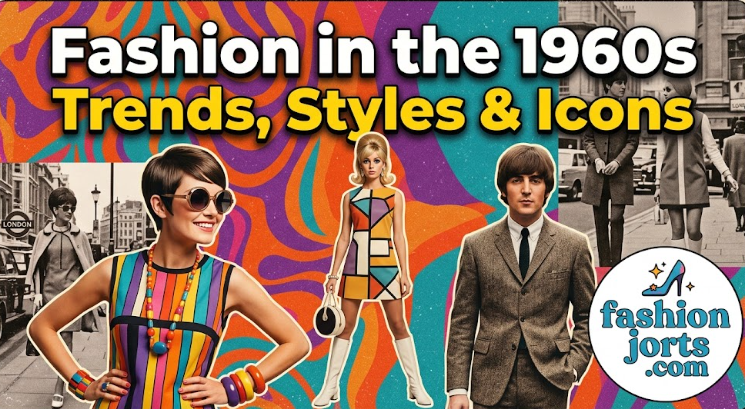
By the middle of the decade, fashion began moving toward a younger and more experimental direction. Teenagers and young adults started influencing trends, and designers created clothing that matched the energy of youth culture. The Mod movement became one of the defining styles of the 1960s. Originating in London, Mod fashion focused on simple shapes, bold colors, and modern designs. It rejected overly formal clothing and introduced a fresh approach that felt energetic and creative. Women’s Mod fashion often included short dresses, geometric prints, bright tights, and knee-high boots. Men adopted slim suits, fitted shirts, and stylish hairstyles. Music groups, especially British bands, helped spread these trends internationally.
Mary Quant and the Miniskirt Revolution
The miniskirt became one of the most recognizable symbols of 1960s fashion. Designer Mary Quant helped popularize shorter hemlines through her youthful and affordable designs, making them accessible to a wider audience. The popularity of the miniskirt represented changing attitudes toward clothing and personal expression. Young women embraced shorter dresses and skirts because they felt modern, practical, and different from previous generations’ styles. Miniskirts were often paired with colorful stockings, boots, simple jewelry, and bold makeup. The look became closely connected with confidence and the fresh attitude of the decade.
Women’s Fashion Trends That Shaped the Decade
Women’s fashion in the 1960s was diverse, with different styles existing at the same time. Some women preferred elegant outfits, while others chose experimental designs influenced by music and art. Shift dresses remained popular because of their comfortable shape and simple appearance. Designers added colorful patterns, abstract prints, and bright fabrics to make these dresses more expressive. Trousers also became increasingly accepted as part of women’s wardrobes. Pants, jeans, and matching sets offered a practical alternative to skirts and dresses. This change reflected the growing desire for comfort and flexibility in everyday clothing. Patterns became more adventurous throughout the decade. Floral designs, bold stripes, and artistic prints replaced many of the simpler patterns of earlier years. Clothing became a way for people to display creativity and individuality.
Space Age Fashion and Futuristic Designs
The excitement surrounding technology and space exploration influenced many designers during the 1960s. Fashion began exploring futuristic ideas through unusual materials, geometric shapes, and modern silhouettes. Designers such as André Courrèges and Pierre Cardin created clothing inspired by the idea of the future. Their designs often featured clean lines, metallic fabrics, bright colors, and structured shapes. Space Age fashion showed how clothing could connect with science, design, and imagination. Although some of these styles were experimental, they influenced later fashion movements and continue to appear in modern collections.
Men’s Fashion in the 1960s
Men’s fashion also experienced major changes during the decade. While traditional suits remained popular, younger men began choosing more fitted and expressive clothing. Slim suits, narrow ties, patterned shirts, and Chelsea boots became fashionable. Hairstyles also changed, with many young men moving away from shorter traditional cuts and adopting longer styles influenced by musicians. The Beatles had a major impact on men’s fashion. Their suits, hairstyles, and overall appearance influenced millions of fans and helped create a more youthful approach to menswear.
Hippie Fashion and the Late 1960s
The late 1960s introduced a completely different fashion direction through the hippie movement. Instead of focusing on polished appearances, this style emphasized comfort, creativity, and individuality. Hippie fashion included bell-bottom jeans, flowing dresses, tie-dye shirts, embroidered clothing, fringe jackets, and handmade accessories. Many people preferred natural fabrics and relaxed silhouettes. Music festivals and counterculture movements helped spread this style. Clothing became connected with personal beliefs, artistic expression, and a desire to move away from traditional fashion expectations.
Hairstyles and Makeup Trends of the 1960s
Beauty trends changed as dramatically as clothing styles. Early in the decade, many women wore large hairstyles such as beehives, while later years introduced shorter and more modern cuts. Twiggy became one of the most recognizable beauty icons of the decade. Her short haircut, dramatic eyelashes, and bold eye makeup represented the youthful Mod appearance. Eye makeup became especially important during this period. Thick eyeliner, long lashes, and emphasized eyes created a distinctive look that remains strongly associated with 1960s beauty.
Fashion Icons Who Defined the 1960s
Several personalities shaped the fashion identity of the decade. Jacqueline Kennedy represented elegance and sophistication during the early years, while Audrey Hepburn influenced women with her simple, timeless outfits. Twiggy became a symbol of youthful fashion and helped define the Mod movement. Her appearance influenced hairstyles, makeup, and clothing trends around the world. Musicians also played a major role in shaping fashion. The Beatles, Janis Joplin, and other performers showed how music and clothing could work together to create a cultural identity.
Why 1960s Fashion Still Matters Today
The influence of 1960s fashion can still be seen in modern clothing. Designers continue revisiting the decade’s mini dresses, bold prints, vintage accessories, and relaxed styles. What makes the era special is the freedom it introduced. People were no longer limited to one accepted way of dressing. Fashion became a personal choice and a way to communicate individuality. The 1960s proved that clothing could represent more than appearance. It could reflect creativity, cultural change, and the personality of the person wearing it.
Conclusion
Fashion in the 1960s was defined by change, creativity, and a willingness to experiment. The decade moved between elegance, modern design, and relaxed self-expression, creating a wide range of styles. From the polished looks of the early years to the colorful and rebellious trends of the late 1960s, every style reflected the culture of its time. The decade’s influence remains visible because it changed how people think about fashion. The lasting lesson of 1960s fashion is simple: clothing is not only about following trends. It is also a way to express identity, ideas, and individuality.