The 1870s created a fashion identity that is still instantly recognizable today. This was the decade of carefully shaped silhouettes, luxurious fabrics, and clothing that reflected a person’s place in society. Women’s dresses became more structured with dramatic back details, while men’s clothing moved toward the tailored styles that would define formal wear for generations. Fashion in this period was not only about appearance. The way people dressed showed their lifestyle, social expectations, and access to new materials made possible by industrial growth. From elaborate evening gowns to practical walking outfits, 1870s clothing balanced beauty with strict Victorian traditions.
The Changing Shape of Victorian Fashion
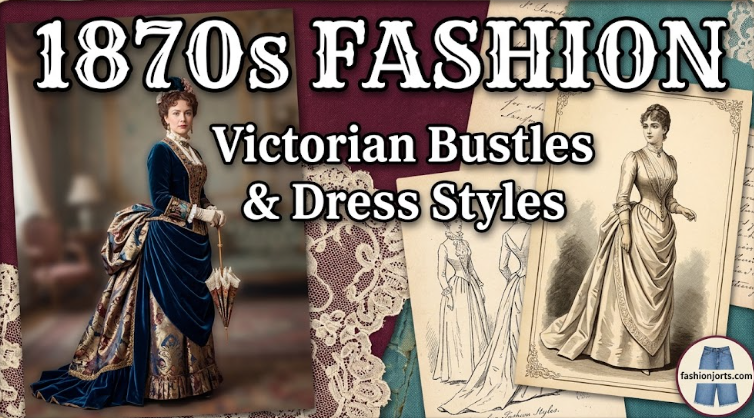
The biggest change in the 1870s was the transformation of the female silhouette. Earlier Victorian dresses focused on wide skirts supported by hoops and crinolines, but fashion gradually moved toward a narrower front with volume concentrated at the back. This new shape was created through the use of the bustle, a support worn beneath the skirt that lifted and extended the fabric behind the body. The result was a dramatic profile that became the defining image of late Victorian style. Clothing during this decade emphasized structure. Bodices were fitted closely to the body, skirts were carefully arranged, and every layer of fabric had a purpose. Dressmakers paid close attention to details because even small elements, such as buttons, trims, and lace, could change the overall appearance of an outfit.
Women’s Dresses and Everyday Clothing
Women’s fashion in the 1870s depended heavily on occasion. A woman might have different dresses for morning activities, visiting friends, walking outdoors, afternoon gatherings, and evening events. Day dresses were usually more modest, featuring high necklines, long sleeves, and practical fabrics. Walking dresses often included jackets or fitted bodices that allowed easier movement while maintaining a fashionable appearance. Formal dresses were much more decorative. Evening gowns often featured elegant fabrics, detailed embroidery, ribbons, and carefully arranged layers. Wealthier women could afford custom-made clothing with expensive materials, while middle-class women adapted fashionable styles using more affordable options.
The Bustle: The Defining Feature of the Decade
The bustle remains the most memorable element of 1870s fashion. It changed how skirts were designed by moving attention away from the sides of the dress and toward the back. Different bustle shapes appeared throughout the decade. Early styles created a fuller, more rounded appearance, while later versions produced a longer and slimmer shape. Designers experimented with folds, draping, and extra fabric to make the back of the dress look more artistic. Although the bustle created an impressive silhouette, it also affected movement and comfort. Women wearing these dresses had to manage heavy layers of fabric and carefully designed structures underneath their clothing.
Popular Dress Styles of the 1870s
Princess Dresses
Princess dresses became popular because they created a smooth, elongated appearance. Instead of separating the dress into a bodice and skirt, these gowns used long seams that followed the body from shoulder to hem. This style gave dresses a more continuous shape and worked especially well for formal clothing.
Polonaise Dresses
Polonaise dresses featured an overskirt that was gathered or pulled upward, revealing another layer underneath. This design added movement and allowed dressmakers to create interesting combinations of colors and textures. The style worked well with the bustle because the gathered fabric naturally emphasized the back of the outfit.
Tea Gowns
Tea gowns offered a softer alternative to structured outdoor clothing. These loose dresses were worn at home during relaxed social visits and reflected a growing interest in comfort. Unlike formal gowns, tea gowns allowed more freedom in design and often used flowing fabrics and artistic details.
Fabrics, Colors, and Decorative Details
The 1870s were known for rich materials and careful decoration. Advances in textile manufacturing gave people access to a wider variety of fabrics and colors. Silk was often chosen for elegant evening wear, while wool and cotton were common for everyday clothing. Velvet, satin, and lace were popular choices for adding texture and luxury. Fashionable colors included deep shades such as burgundy, emerald green, navy, and purple. Many outfits combined several materials and decorative elements, creating the layered appearance associated with Victorian clothing.
Men’s Fashion and the Rise of the Modern Suit
Men’s fashion in the 1870s was less dramatic than women’s clothing but equally important in shaping future styles. The decade focused on clean tailoring, dark colors, and practical elegance. A typical gentleman’s outfit included a coat, waistcoat, trousers, shirt, and formal hat. Three-piece suits became increasingly common, especially among businessmen and professionals. Accessories completed the look. Pocket watches, gloves, walking sticks, and carefully chosen neckwear were common signs of a well-dressed man. Facial hair was also fashionable during this period, with many men wearing full beards or carefully styled mustaches.
Fashion Accessories That Completed the Victorian Look
Accessories were essential in 1870s clothing. They were not simply decorative items but part of the complete appearance. Women often carried parasols, wore gloves, and decorated their outfits with jewelry, ribbons, and brooches. Hats were also important, with styles changing depending on the season and occasion. Hair was usually arranged into detailed styles rather than worn naturally loose. Decorative combs, flowers, and ribbons were sometimes added for special events. Men also relied on accessories, especially hats and watches, to create a polished appearance.
How Social Changes Influenced 1870s Style
The clothing of the 1870s reflected a society experiencing major changes. Industrial expansion increased clothing production, allowing fashionable styles to reach more people. Fashion magazines and department stores helped spread new ideas about dressing. People no longer depended only on local traditions; they could follow trends from major fashion centers such as Paris and London. At the same time, clothing continued to show differences between social classes. Wealthier individuals could display status through expensive fabrics, custom designs, and elaborate outfits.
The Influence of 1870s Fashion Today
Modern fashion continues to borrow ideas from the 1870s. Designers often revisit Victorian-inspired elements such as lace, fitted shapes, romantic sleeves, and dramatic skirts. Historical dramas and costume designers also use this period as inspiration because the clothing creates a strong visual identity. The decade’s attention to craftsmanship and detail makes it valuable for anyone studying fashion history. While modern clothing is far less restrictive, the elegance and creativity of 1870s style continue to attract designers and fashion enthusiasts.
Conclusion
The fashion of the 1870s represented a period where clothing became a careful expression of identity, wealth, and social expectations. The bustle dress, tailored suits, and detailed accessories created a style that was both practical and artistic. Although many elements of Victorian clothing were restrictive, the creativity behind these designs remains impressive. Dressmakers transformed fabric into carefully planned shapes that reflected the values and tastes of the era. Today, 1870s fashion continues to influence designers, filmmakers, and anyone interested in historical style. Its combination of elegance, structure, and craftsmanship keeps the decade alive in the world of fashion.