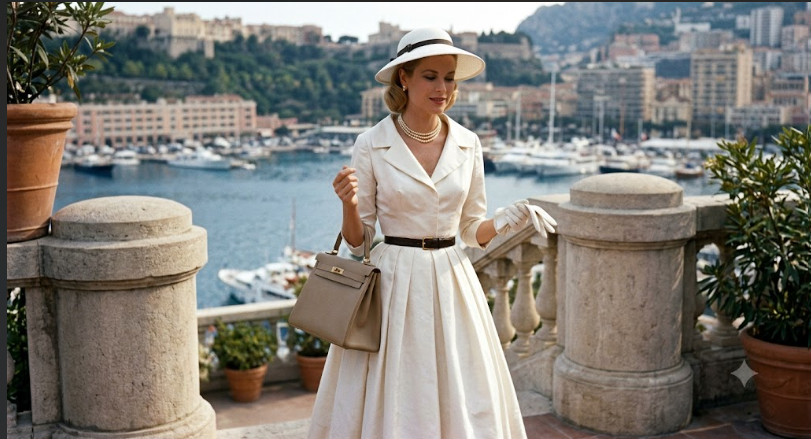

French fashion has never depended on a single look. It can mean a handmade evening gown created in a Paris workshop, a sharp tailored suit, or a simple outfit built around jeans and a good coat. What connects these different styles is an interest in cut, quality, proportion, and personal expression. France also has a rare place in fashion history. Designers working in Paris changed women’s clothing, developed new ways of selling designer collections, and turned fashion houses into international names. Those ideas continue to affect what appears on runways, in stores, and in everyday wardrobes.
Where French Fashion Began
France was associated with fine clothing long before the arrival of modern fashion brands. Royal courts encouraged demand for expensive fabrics, detailed dresses, jewelry, shoes, and other luxury goods. What people wore could reveal their wealth and position in society. Paris later developed a strong community of dressmakers and specialist workers. Wealthy clients came to the city for clothing made specifically for them. Over time, talented dressmakers gained enough influence to suggest new styles rather than simply follow a customer’s instructions. That change helped create the designer-led system we recognize today. Clothing could carry the identity of its maker, and customers began following particular fashion houses for their ideas.
Paris and the Growth of Haute Couture
Haute couture became one of the clearest symbols of Paris fashion. These clothes aren’t ordinary factory-made garments. They depend on skilled work, detailed construction, careful fitting, and close attention to the individual client. Couture also created a place for crafts that require years of training. Embroidery, decorative stitching, pleating, feathers, and other details can become central parts of a garment. Some designs appear simple from a distance while hiding a great deal of work in their construction. Very few people will ever own true couture. Its wider value lies partly in preserving specialist skills and giving designers room to create clothing without the same limits found in mass production.
Coco Chanel Made Simplicity Desirable
Women’s clothing was changing quickly in the early 20th century. Coco Chanel became associated with a cleaner approach that suited women who wanted greater comfort and movement. She worked with simple shapes and materials that weren’t always connected with formal luxury. Her designs also borrowed ideas from men’s clothing. Jackets, relaxed lines, knit fabrics, and practical separates offered an alternative to heavily decorated dress. Elegance no longer had to depend on complicated construction that restricted the wearer. This approach left a strong mark on everyday clothing. Simple black dresses, neat jackets, understated accessories, and clothes that could be worn in several settings became lasting wardrobe ideas.
Christian Dior Changed the Postwar Silhouette
Christian Dior offered a very different vision after World War II. Instead of keeping the practical shapes associated with wartime clothing, he brought attention back to a narrow waist and fuller skirts. His work created a more dramatic outline for women’s dress.nThe contrast with Chanel is useful because it shows how varied French design can be. One designer pushed toward freedom and simplicity, while another found success through structure and volume. Both approaches became important parts of fashion history. Dior also helped return international attention to Paris after years of war and shortages. His fashion house became associated with a polished form of luxury that later expanded well beyond clothing.
Yves Saint Laurent Brought Fashion Closer to Daily Life
Fashion changed again as younger generations gained greater cultural influence during the 1960s. Traditional couture remained prestigious, but its formal system couldn’t fully reflect how many younger people wanted to dress. Yves Saint Laurent understood that shift. He helped give designer ready-to-wear a stronger identity, creating fashion that could exist outside the private world of couture appointments. His work connected high design with clothing intended for a wider group of customers. He also questioned old rules about women’s wardrobes. Tailored trousers, jackets, and tuxedo-inspired clothing showed that ideas taken from traditional menswear could become powerful parts of women’s fashion.
What Makes French Style Recognizable?
The popular idea of French style usually favors control rather than excess. An outfit may use only a few pieces, but each one has a clear purpose. A strong coat, good trousers, a plain shirt, and suitable shoes can look more considered than an outfit overloaded with trends. Fit is especially important. Clothing doesn’t need a famous label to look polished if its length, shape, and proportions suit the wearer. This is one reason tailoring remains closely linked with the image of French dressing. There is also room for imperfection. Hair doesn’t always need to look highly styled, and an outfit doesn’t need perfectly matching pieces. A little contrast can make clothing feel personal rather than carefully staged.
French Fashion for Women Today
A modern French-inspired wardrobe can begin with clothes that work across several situations. Straight jeans, tailored trousers, shirts, knit tops, simple dresses, blazers, and coats provide plenty of combinations without requiring a huge collection. Accessories can carry more personality. Sunglasses, scarves, jewelry, handbags, and shoes can change a simple outfit without requiring a complete wardrobe change. The goal isn’t to wear every accessory at once. French women’s fashion also extends far beyond neutral colors. Red, green, blue, prints, and unusual textures all have a place. What matters more is creating an outfit in which the different parts don’t fight for attention.
French Men’s Style Is More Than a Suit
French menswear can appear formal, casual, sporty, or experimental. Classic outfits often depend on clean trousers, simple shirts, knitwear, jackets, and good outerwear. Denim and sneakers can fit comfortably into the same wardrobe. Men can apply the same focus on proportion found in women’s style. The shoulder of a jacket, length of a trouser leg, or shape of a coat can change the entire appearance of an outfit. These details are often more useful than adding visible logos. Streetwear has also become part of modern French men’s fashion. Younger styles mix sports clothing, luxury pieces, vintage finds, and practical outerwear, making today’s scene much broader than the traditional image of Paris tailoring.
French Designers Beyond the Biggest Names
Chanel, Dior, and Saint Laurent may receive the most attention, but French design doesn’t stop with them. Hubert de Givenchy became associated with graceful, polished clothing, while Pierre Cardin experimented with shapes that looked toward the future. Jean Paul Gaultier took another path. His work questioned familiar rules about gender, underwear, tailoring, and what could appear on a luxury runway. Such designers helped prevent French fashion from becoming trapped by its own traditions. New generations continue to bring different cultural references and personal backgrounds into Paris fashion. That variety matters because a fashion capital can’t survive by repeating its past forever.
Paris Fashion Week Today
Paris Fashion Week remains one of the industry’s major events. Designers present new collections while buyers, editors, stylists, celebrities, and other professionals gather to see what fashion houses are proposing for upcoming seasons. The audience is now much larger than the people sitting beside the runway. Social platforms can place images and videos from a show in front of millions of viewers almost immediately. A collection can become a global conversation within hours. This speed has changed fashion culture. Consumers no longer need to wait for a magazine issue to see new designs, and brands face greater pressure to hold attention throughout the year.
The Difference Between French Fashion and French Style
French fashion and French style aren’t quite the same thing. Fashion refers to the wider industry of designers, houses, collections, production, shows, and changing trends. French style usually describes how people select and wear clothes. This distinction explains why someone can adopt French-inspired style without buying French luxury brands. A person might build an outfit around a secondhand jacket, affordable trousers, and shoes they have owned for years. The useful lesson is selection. Owning fewer pieces that work well together can create more outfit choices than buying many items simply because they’re currently popular.
Conclusion
French fashion has remained influential because it keeps changing. Different generations have challenged what came before them rather than following one permanent idea of elegance. That history also explains why there’s no need to chase a perfect “French look.” Paris has produced simple clothes, dramatic dresses, sharp tailoring, experimental designs, and casual ready-to-wear. For everyday dressing, the most practical idea is straightforward. Choose pieces that fit well, work with clothes you already own, and feel natural when you wear them. French fashion may provide inspiration, but personal style should still look like your own.