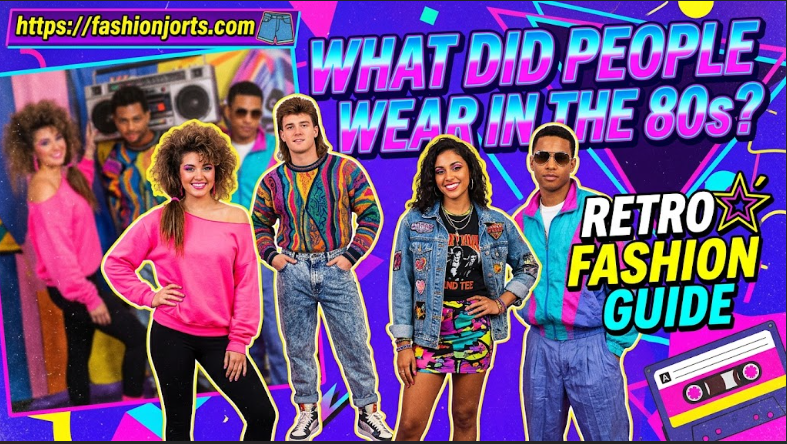
The 1980s gave people plenty of freedom to experiment with their appearance. Clothing became a way to show personality, musical interests, and social identity. Some people preferred elegant suits and polished dresses, while others chose colorful sportswear, oversized denim, and rebellious street fashion. It was a decade when standing out often mattered more than following a single dress code. Teenagers copied their favorite musicians, professionals embraced structured outfits, and fitness enthusiasts brought workout clothing into everyday life. Even ordinary items such as T-shirts, jeans, and sneakers received fresh attention through new colors, shapes, and combinations. Looking back at this period reveals more than a collection of vintage outfits. It shows how entertainment, changing lifestyles, and youth culture influenced the way people dressed.
Why Did 80s Fashion Look So Different?
Clothing in the 1980s reflected a growing interest in individuality. People mixed traditional garments with unusual accessories, experimented with different silhouettes, and borrowed ideas from music and entertainment. Fashion could be glamorous, sporty, casual, or rebellious, depending on the person wearing it. Television and music videos helped spread new trends quickly. A hairstyle or outfit worn by a popular performer could inspire thousands of fans. At the same time, shopping choices expanded, allowing people to experiment with different fabrics, colors, and clothing brands. Another important change involved the workplace. More women pursued professional careers, increasing interest in tailored jackets, coordinated suits, and clothing that communicated confidence. Outside offices, casual dressing became increasingly visible through denim, sneakers, and comfortable sportswear.
Everyday Clothing That Defined the Decade
Not every 1980s outfit was dramatic or expensive. Most people still needed practical clothing for school, work, shopping, and spending time with friends. The difference was how they combined familiar pieces.
Denim Became an Everyday Favorite
Jeans were among the most recognizable clothing items of the decade. High waistlines, straight legs, faded finishes, and acid-wash designs gave denim a distinctive appearance. People wore jeans with simple shirts, sweaters, leather jackets, and casual footwear. Denim jackets were equally popular because they worked across different seasons. Some people preferred plain designs, while others decorated their jackets with patches and embroidered details. A matching denim jacket and jeans could create a coordinated outfit without much effort.
Oversized Sweaters and Sweatshirts
Loose-fitting sweaters offered comfort while creating the relaxed appearance associated with the period. Some featured geometric patterns, large graphics, or bright color combinations. Others used simple knitted designs that worked well with jeans and skirts. Sweatshirts also became popular outside athletic settings. Women frequently wore oversized tops with leggings, while men combined them with denim or casual trousers. These outfits were easy to wear and suitable for everyday activities.
Shirts With Bold Patterns
Printed shirts brought personality to otherwise simple wardrobes. Geometric shapes, stripes, floral designs, and abstract patterns appeared on different types of clothing. Some people preferred colorful button-down shirts, while others chose graphic T-shirts inspired by music and popular entertainment. Layering made these shirts more versatile. A printed shirt could be worn beneath a jacket or over a plain T-shirt. This approach created different outfits using a relatively small collection of clothing.
The Difference Between Women’s and Men’s 80s Fashion
Although men and women followed some shared trends, their clothing choices often reflected different influences. Women’s wardrobes included dramatic dresses, structured jackets, and colorful workout clothing. Men’s wardrobes featured leather jackets, athletic outfits, traditional tailoring, and casual shirts.
How Women Combined Comfort With Style
Women frequently combined fitted and oversized garments to create balanced outfits. A loose sweatshirt might be paired with tight leggings, while a structured blazer could be worn over a simple blouse. This contrast between shapes became one of the decade’s recognizable styling choices. Dresses offered another popular option. Some featured puffed sleeves, gathered waists, decorative collars, and flowing skirts. Others used simpler cuts for everyday wear, particularly when paired with tights and comfortable shoes.
How Men Mixed Formal and Casual Clothing
Men’s fashion moved between traditional and relaxed styles. Office clothing often included tailored jackets, formal trousers, patterned ties, and leather shoes. Outside work, men preferred jeans, polo shirts, printed T-shirts, and sportswear. Leather jackets were especially popular among people interested in rock music and motorcycle culture. Meanwhile, colorful tracksuits appealed to those who preferred athletic clothing. Both styles became important parts of the decade’s visual identity.
Music Changed the Way People Dressed
Music influenced more than hairstyles and entertainment choices during the 1980s. Different musical communities developed recognizable clothing preferences that helped fans identify with their favorite performers.
Pop Stars Introduced Memorable Outfits
Madonna encouraged experimentation through layered jewelry, lace clothing, fingerless gloves, and bold accessories. Her appearance challenged conventional expectations and encouraged young women to create their own combinations. Michael Jackson also influenced fashion through military-inspired jackets, distinctive gloves, fitted trousers, and performance clothing. His stage outfits became recognizable far beyond concert audiences.
Rock Music Encouraged Rebellious Clothing
Rock-inspired fashion often included leather jackets, dark shirts, ripped denim, boots, and statement belts. Some fans copied the clothing worn by their favorite musicians, while others created personalized versions. Long hairstyles and dramatic accessories helped complete the appearance. This style was particularly popular among people who enjoyed hard rock and heavy metal music.
Hip-Hop Created a New Streetwear Identity
Hip-hop fashion introduced a different approach to everyday clothing. Tracksuits, athletic sneakers, caps, gold chains, and loose-fitting garments became recognizable elements of the culture. Run-DMC helped popularize Adidas sneakers and tracksuits through their music and public appearances. Their influence showed that comfortable sportswear could become an important part of street fashion.
Fashion Was Different Across Social Groups
People did not experience the decade’s fashion trends in exactly the same way. Age, income, location, occupation, and personal interests all affected clothing choices. A teenager attending school had different needs from someone working in an office or performing on stage. Some people preferred inexpensive everyday clothing purchased from local shops. Others followed designer labels and celebrity trends. Vintage clothing, handmade accessories, and customized garments also gave individuals opportunities to develop personal styles. Geography mattered too. Fashion in major cities could differ from clothing choices in smaller communities. American, British, European, and Asian fashion scenes also developed their own influences rather than following one identical trend.
What Made 80s Clothing Memorable?
The strongest feature of 1980s fashion was its willingness to experiment. Clothing often combined contrasting colors, different materials, and unusual proportions. People were comfortable mixing formal and casual pieces rather than following strict rules. Accessories helped complete these outfits. Large earrings, colorful bracelets, wide belts, and oversized sunglasses could change the appearance of simple clothing. Footwear also reflected personal interests, from athletic sneakers to polished pumps and heavy boots. The decade also introduced clothing combinations that continue to appear in modern wardrobes. Oversized jackets, straight-leg jeans, graphic shirts, and sporty outfits remain familiar choices. Their continued popularity shows how older fashion ideas can return without losing their original character.
How to Create an 80s-Inspired Outfit Today
You don’t need an entirely vintage wardrobe to create an outfit inspired by the decade. Start with one recognizable clothing item and build the rest of the look around it. This keeps the outfit comfortable and avoids making every piece compete for attention. For a casual appearance, try straight-leg jeans with a graphic shirt and denim jacket. Someone interested in a sporty look could choose leggings, a loose sweatshirt, and classic athletic sneakers. For a more polished outfit, a structured blazer with tailored trousers creates a recognizable retro influence. Accessories can make the difference between an ordinary outfit and a convincing vintage-inspired look. Consider adding hoop earrings, a wide belt, colorful bracelets, or oversized sunglasses. You can also explore thrift stores for original garments with authentic fabrics, cuts, and details.
Conclusion
The 1980s offered something for almost every fashion preference. Some people enjoyed structured professional clothing, while others preferred comfortable denim, sportswear, or music-inspired outfits. These differences made the decade interesting because personal style mattered as much as popular trends. Its influence remains visible in modern clothing, especially through oversized silhouettes, vintage sneakers, statement accessories, and relaxed denim. Looking at these trends can also provide inspiration for anyone interested in retro styling. If you want to recreate the period, focus on the clothing and cultural influences that appeal to you. A thoughtfully chosen jacket, pair of jeans, or accessory can capture the character of the decade without making an outfit feel like a costume.