Fashion has always reflected culture, creativity, and personal identity, but the way clothes are produced has become a major concern for consumers and businesses. Rising awareness about waste, pollution, and ethical manufacturing has created space for a new generation of companies focused on doing things differently. Sustainable fashion startups are building alternatives to traditional clothing production by focusing on responsible materials, better manufacturing practices, and smarter ways to use resources. These companies are not simply creating eco-friendly products; they are questioning how the entire fashion system works and finding ways to make it more responsible.
What Are Sustainable Fashion Startups?
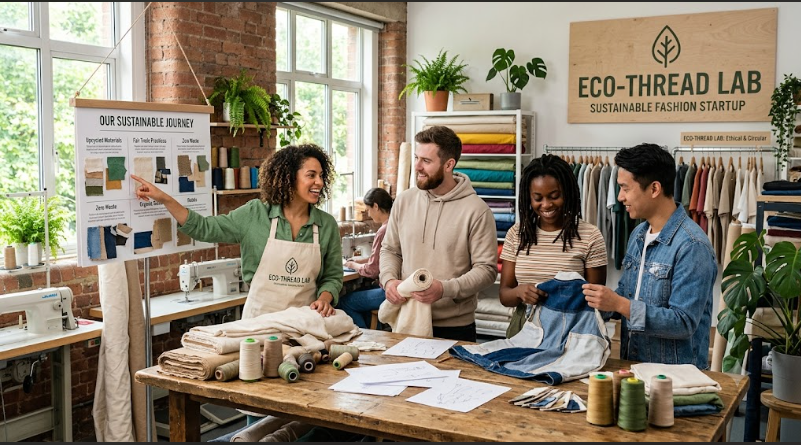
Sustainable fashion startups are emerging clothing companies that prioritize environmental and social responsibility from the beginning of their business model. Instead of following the traditional approach of producing large amounts of inexpensive clothing, these companies focus on quality, transparency, and reducing unnecessary waste. Some startups create clothing from recycled or organic materials, while others develop new fabrics, resale platforms, repair services, or production methods that reduce environmental impact. Their approaches may differ, but the common goal is creating a fashion industry that uses fewer resources and produces less waste. These businesses are also changing consumer expectations. Many shoppers now want to know how a product was made, where materials came from, and whether workers involved in production were treated fairly.
Why Sustainable Fashion Startups Are Becoming Popular
The growth of sustainable fashion startups is connected to changing attitudes toward fast fashion. For years, the industry encouraged frequent buying through low prices and rapidly changing trends. However, many consumers have started questioning the environmental cost of constantly producing and replacing clothing. Younger shoppers, in particular, are increasingly interested in brands that match their values. They often look for companies that provide transparency about materials, production methods, and business practices. Another reason for growth is technology. New tools allow startups to create better production systems, improve material development, and reduce unnecessary inventory. Instead of producing thousands of items without knowing demand, some companies are using smarter approaches to manufacture only what customers need.
How Sustainable Fashion Startups Are Changing the Industry
Creating Better Alternatives to Traditional Fabrics
One of the biggest areas of development in sustainable fashion is material innovation. Many startups are exploring alternatives to conventional fabrics that require fewer resources or create less waste. Some companies work with recycled fibers made from existing textiles or plastic waste. Others explore plant-based materials and new textile technologies that can reduce dependence on traditional resources. The challenge is creating materials that are not only environmentally responsible but also comfortable, durable, and affordable for everyday consumers.
Building Circular Fashion Systems
Traditional fashion often follows a simple pattern: produce, sell, use, and discard. Sustainable startups are trying to create a circular approach where clothing remains useful for longer. Circular fashion businesses focus on ideas such as resale, repair, rental services, and recycling. Instead of treating old clothing as waste, these companies see used garments as valuable resources. This approach helps reduce pressure on natural resources while giving consumers more ways to participate in responsible fashion.
Reducing Waste Through Smarter Production
Overproduction is one of the biggest issues in the clothing industry. Many garments are created before companies know whether customers actually want them. Some sustainable fashion startups are solving this problem through made-to-order production, limited collections, and improved demand planning. These methods help reduce excess inventory and encourage a more thoughtful approach to manufacturing.
Sustainable Fashion Startups Making an Impact
Reformation
Reformation has become one of the most recognized names in sustainable fashion. The brand focuses on creating fashionable clothing while paying attention to materials, production methods, and environmental impact. Its success shows that sustainability can appeal to a wider audience when combined with strong design and modern branding.
Pangaia
Pangaia combines fashion with scientific research by exploring new materials and production techniques. The company has gained attention for experimenting with recycled fabrics, plant-based materials, and alternative textile solutions. Its approach represents the connection between fashion and material science, where future clothing may depend on new discoveries.
Spinnova
Spinnova focuses on developing alternative textile fibers using renewable sources. The company represents a growing group of startups working behind the scenes to improve the materials used in clothing production. Rather than only changing fashion designs, these businesses are trying to improve the foundation of the industry.
Circ
Circ is focused on textile recycling technology. The company works on solutions that can help turn old clothing into new fibers, addressing one of the hardest problems in fashion: keeping textiles out of waste streams.
Challenges Sustainable Fashion Startups Must Overcome
Although sustainable fashion has gained attention, building a successful company in this space is not simple. One major challenge is cost. Responsible materials and ethical production methods often require more investment than traditional manufacturing. Startups must find a balance between sustainability goals and prices that customers can afford. Scaling is another difficulty. A small company may have strong environmental practices, but expanding production while maintaining those standards requires careful planning and reliable partners. There is also the problem of unclear sustainability claims. As interest in eco-friendly products grows, some brands use environmental messaging without making significant changes. This makes transparency and proof increasingly important.
How Consumers Can Support Sustainable Fashion
Consumers do not need to completely replace their wardrobe to make better choices. Small decisions can have an impact, such as buying fewer but better-quality pieces, repairing damaged clothing, choosing second-hand options, and supporting brands that provide clear information about their practices.
The most responsible purchase is often the one that lasts the longest. Durability, timeless design, and proper care can reduce the need for frequent replacements.
The Future of Sustainable Fashion Startups
Sustainable fashion startups are helping move the industry toward a more thoughtful future. Their success will depend on whether they can combine environmental responsibility with practical solutions that work for everyday consumers.
The next generation of fashion companies will likely focus on better materials, transparent production, recycling systems, and technology-driven solutions. Sustainability will not be a separate category of fashion; it will become a key part of how successful brands operate.
The fashion industry is changing because consumers and entrepreneurs are asking better questions. Sustainable startups are answering those questions with new ideas, proving that clothing can be stylish, functional, and responsible at the same time.
Conclusion
Sustainable fashion startups are changing the way people think about clothing. Their work is not only about making greener products but also about creating better systems for producing, using, and reusing fashion. The transition will take time, and startups will continue facing challenges related to cost, technology, and growth. However, their ideas are influencing the wider industry and encouraging larger brands to rethink their practices. As consumers become more aware of their choices, sustainable fashion startups will continue shaping a future where style and responsibility can exist together.