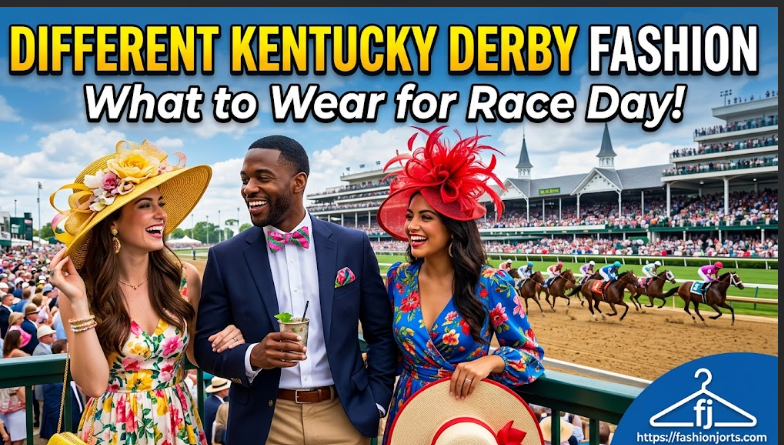
Kentucky Derby fashion has an identity of its own. The clothes are polished, the colors often reflect spring, and hats can be every bit as eye-catching as the racing. Yet dressing well for Derby Day isn’t simply a matter of finding the biggest hat or brightest suit. A successful outfit needs to work for a long day. You may be walking, standing, moving between different areas, and dealing with changing spring weather. That makes comfort and practicality just as important as appearance. There is also plenty of room for personality. Some guests prefer classic dresses and traditional tailoring, while others choose stronger prints, unusual accessories, or contemporary silhouettes. The goal is to look dressed for a special occasion without feeling as though you’re wearing a costume.
Why Fashion Is a Kentucky Derby Tradition
Dressing up has been connected with the Kentucky Derby for generations. Horse racing was historically a social occasion as well as a sporting event, so spectators arrived in clothing that reflected the formal standards of their time. As everyday clothing became more casual, Derby Day continued to provide an excuse to dress differently. That history explains why today’s style can feel both traditional and playful. Formal dresses and tailored jackets remain common, but guests have far more freedom with color, pattern, and accessories. Modern outfits don’t need to copy historical clothing to feel appropriate. Headwear has become the clearest link between past and present. Large hats, smaller fascinators, and classic men’s hats immediately create a race-day feel. They also give guests a simple way to make an otherwise understated outfit more distinctive.
What Women Wear to the Kentucky Derby
Women’s Derby outfits usually begin with clothing suitable for a smart spring event. Dresses remain a natural choice because they’re easy to coordinate with hats and accessories, but they’re far from the only option. Jumpsuits, matching separates, and polished trouser outfits can also suit the setting.
Choosing the Right Dress or Outfit
Midi dresses work particularly well because they can look refined without being overly formal. Fit-and-flare shapes, structured dresses, flowing designs, and simple tailored silhouettes can all work depending on your personal style. The most useful test is whether the outfit still feels comfortable after several hours. Avoid choosing a dress solely because it looks dramatic in photographs. Heavy fabrics, restrictive cuts, or details that constantly need adjusting can become frustrating as the day continues. A good Derby outfit should allow you to sit, walk, eat, and enjoy the races comfortably.
Colors, Prints, and Fabrics That Work
Spring colors have a natural connection with Derby style. Soft pink, yellow, lavender, blue, green, coral, and cream can all create a fresh race-day appearance. Stronger shades can work just as well if you prefer an outfit with more visual impact. Florals are popular for good reason, but they aren’t compulsory. Stripes, geometric patterns, small prints, and solid colors provide plenty of alternatives. If your clothing already has a busy pattern, keeping the hat and accessories simpler can prevent the outfit from becoming crowded. Lightweight fabrics generally make more sense than heavy materials for a spring event. Look for something that moves comfortably and won’t become difficult to wear as temperatures change. A little structure can still help the outfit maintain its shape throughout the day.
How to Choose Comfortable Derby Shoes
Shoes can determine whether you enjoy your outfit after the first few hours. Thin, very high heels may look elegant, but they aren’t always ideal for a day involving significant walking and standing. Block heels, wedges, lower heels, flats, and polished loafers offer practical alternatives. If heels are essential to your look, consider having comfortable backup footwear available. Make sure both pairs work with the outfit so changing shoes doesn’t feel like a compromise. Comfort is much easier to plan before Derby Day than to fix halfway through it.
Kentucky Derby Hats and Fascinators
No accessory is more closely connected with Derby style than headwear. A hat can turn a relatively simple dress into a complete race-day outfit, while a fascinator can provide visual interest without the size of a traditional wide brim. Neither choice needs to be extravagant to work.
Why Hats Became a Derby Tradition
Hats were once an ordinary part of formal public dress. As they disappeared from everyday wardrobes, race meetings remained one of the places where decorative headwear continued to feel natural. Over time, the Derby hat developed into a statement of its own. Today’s designs range from restrained to theatrical. Flowers, bows, feathers, netting, sculptural details, and unusual shapes give wearers enormous freedom. The strongest designs still feel connected to the rest of the clothing rather than looking like an unrelated decoration.
Hat or Fascinator: Which Should You Choose?
A wide-brim hat offers classic Derby drama and works particularly well with a relatively clean dress silhouette. It can also provide some shade, although large brims may be awkward in crowded areas. Size should therefore be considered alongside appearance. Fascinators are lighter and usually easier to manage. They can work particularly well with detailed dresses or for guests who don’t enjoy wearing full hats. Whichever option you choose, secure it properly and make sure it remains comfortable before wearing it for an entire day.
What Men Wear to the Kentucky Derby
Derby style gives men more freedom than a typical formal event. A dark business suit can work, but lighter tailoring, patterned jackets, and brighter colors often feel more connected to the spring setting. The result should look sharp without becoming stiff.
Suits, Blazers, and Spring Colors
Light blue, beige, cream, soft green, and other seasonal shades can provide an easy starting point. A full suit creates a cleaner formal appearance, while a blazer with contrasting trousers gives you more flexibility. Seersucker and other lighter fabrics can also create a traditional warm-weather look. Patterns require some control. If the jacket is bold, plain trousers and a quieter shirt can keep everything balanced. If the suit is simple, a patterned shirt, tie, pocket square, or hat can supply the personality.
Shoes, Ties, and Derby Headwear
Loafers and other smart dress shoes suit the occasion without automatically making an outfit feel corporate. Choose a pair you’ve already worn rather than testing brand-new shoes during a long event. Small practical decisions like this can make a noticeable difference later in the day. Ties and bow ties are both appropriate, but neither needs to dominate the outfit. A Panama-style hat, fedora, boater, or another smart warm-weather design can add traditional race-day character. Try the complete outfit together beforehand to make sure the accessories aren’t competing with one another.
Kentucky Derby Fashion Trends for 2026
Contemporary Derby style is becoming less dependent on a single traditional formula. Dresses and suits remain important, but guests increasingly have room to experiment with shape, texture, and styling. That makes personal judgment more valuable than simply copying a trend.
Bold Colors and Statement Prints
Bright colors can work particularly well in the energetic Derby setting. Instead of combining several strong shades without a plan, choose one dominant color and build around it. Neutral shoes or accessories can help a vivid outfit feel more controlled. Prints offer another route. Florals remain familiar, while checks, stripes, and abstract designs can create a more contemporary look. Scale matters: a large print already provides visual drama and usually needs fewer competing accessories.
Texture and Modern Silhouettes
Texture can make even a simple color palette interesting. Lace, pleating, embroidery, woven fabrics, subtle embellishment, and structured materials add depth without requiring a complicated print. These details are particularly useful if you prefer understated clothing. Modern silhouettes also give guests alternatives to traditional race dresses and suits. Coordinated separates, wider trousers, structured jackets, and streamlined jumpsuits can all create polished looks. What matters is maintaining the sense of occasion.
How Your Churchill Downs Seat Affects What You Wear
Not every part of the racetrack creates the same experience. Some areas are more formal, while outdoor sections require greater attention to weather and comfort. Your ticket and seating location should therefore influence your clothing before fashion trends do. Consider how much time you’ll spend outdoors and how far you’re likely to walk. A delicate outfit may be perfectly manageable in one setting and inconvenient in another. Checking the requirements attached to your specific seating area can also prevent dress-code problems. Your bag deserves the same planning. Carry only what you’ll realistically need, and make sure your choice follows current venue requirements. A compact bag is easier to manage than an oversized one when you’re moving through busy areas.
Dressing for Kentucky Derby Weather
Spring weather can make outfit planning unpredictable. A warm afternoon may follow a cool morning, and rain can change how practical certain fabrics and shoes feel. An outfit with some flexibility is therefore more useful than one designed for a single perfect forecast. Choose materials that remain comfortable as temperatures shift. Outdoor guests should also consider sun exposure when deciding on headwear and clothing. If rain appears likely, think about how your shoes, hemline, and accessories will handle wet conditions. Don’t leave weather planning until you’re already dressed. Check the latest forecast shortly before the event and make small adjustments if necessary. Changing shoes or adding a suitable layer is better than spending the day uncomfortable for the sake of the original outfit.
Common Kentucky Derby Fashion Mistakes
Trying to make every element a statement is one of the easiest mistakes. A huge hat, highly patterned dress, bright shoes, oversized jewelry, and bold handbag can compete instead of complementing one another. Give the outfit one or two focal points and let the remaining pieces support them. Ignoring comfort is another common problem. Derby clothing should look special, but it still needs to survive hours of movement and changing conditions. Shoes that hurt immediately or a hat that won’t stay secure can quickly become distractions. The other extreme is treating Derby Day exactly like an ordinary formal event. A conservative office outfit may technically look smart but miss much of the event’s personality. Color, headwear, texture, or an interesting accessory can add race-day character without making the look excessive.
Conclusion
Good Kentucky Derby fashion starts with understanding the occasion rather than copying a single look. There is history behind the hats and tailored clothing, but modern Derby style leaves enough room for individual taste. Women can choose dresses, separates, trousers, or jumpsuits, while men can move beyond conventional dark suits into lighter tailoring and expressive spring pieces. Headwear, color, and accessories can bring those outfits into Derby territory without overwhelming them. Comfort should remain part of every decision. Weather, walking, seating location, footwear, and venue requirements have a greater effect on your day than any short-lived trend. Dress for the event you will actually attend, then add enough personality to make the outfit yours. That balance between occasion, practicality, and individual style is what keeps Kentucky Derby fashion recognizable without making it predictable.