
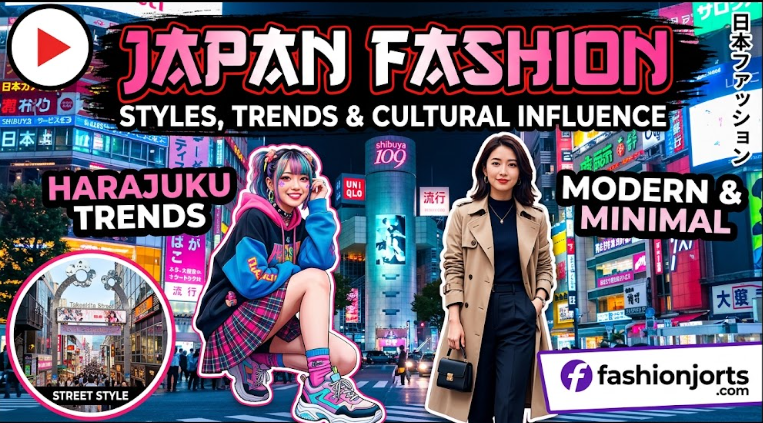
Japanese fashion has always been about more than clothing. It reflects culture, personal identity, craftsmanship, and the freedom to experiment. From the elegance of traditional kimono to the bold outfits seen on Tokyo streets, Japan has created a fashion culture that values both history and change. Unlike fashion scenes that often focus only on seasonal trends, Japanese style is built around ideas such as quality, individuality, and attention to detail. A simple outfit with carefully chosen pieces can carry the same meaning as an artistic runway collection. This balance between simplicity and creativity is what makes Japanese fashion unique.
What Defines Japanese Fashion?
Japanese fashion does not follow one specific appearance. It includes many different styles, from clean minimalist clothing to colorful streetwear and experimental designer pieces. One of the strongest characteristics of Japanese style is the focus on design details. The choice of fabric, shape, layering, and construction often matters as much as the overall appearance. Many Japanese designers create clothing that changes how people think about traditional ideas of beauty and fashion. Another important element is personal expression. In many Japanese fashion communities, clothing is a way to show personality rather than simply follow popular trends.
The Influence of Traditional Japanese Clothing
The kimono remains one of Japan’s most recognizable cultural symbols. Although it is no longer everyday clothing for most people, it continues to influence modern fashion through its patterns, structure, and approach to fabric. Traditional Japanese clothing focuses on balance, craftsmanship, and harmony between the garment and the wearer. These principles can still be seen in modern Japanese designs, where designers often use simple shapes and carefully selected materials. Many contemporary creators combine traditional elements with modern clothing. A jacket may include kimono-inspired sleeves, or a modern dress may use patterns influenced by historical Japanese textiles.
How Tokyo Became a Fashion Hub
Tokyo has developed one of the world’s most creative fashion scenes. Neighborhoods such as Harajuku, Shibuya, and Aoyama have become associated with different forms of style, from youth fashion to luxury design. Harajuku became especially famous because young people used clothing as a form of self-expression. Instead of following a single trend, they mixed different influences, including vintage clothing, international brands, handmade items, and unusual accessories. This experimental approach helped Japanese street fashion gain attention around the world. Photographers, designers, and fashion publications began documenting Tokyo’s unique styles, introducing Japanese youth culture to a global audience.
Popular Japanese Fashion Styles
Japanese Minimalist Fashion
Minimalist fashion is one of Japan’s most recognized styles. It focuses on clean designs, neutral colors, comfortable shapes, and long-lasting pieces. This style often includes oversized shirts, relaxed trousers, simple jackets, and high-quality basics. The goal is not to create a loud appearance but to create a thoughtful and balanced outfit. Japanese minimalism has influenced global fashion because it matches modern interest in practical clothing and timeless design.
Japanese Streetwear
Japanese streetwear combines influences from skate culture, music, sports, and everyday urban clothing. It became popular because of its ability to mix comfort with strong visual identity. Common features include oversized silhouettes, graphic designs, sneakers, layered clothing, and limited-edition releases. Japanese streetwear brands have built loyal communities by creating designs that feel exclusive and culturally connected.
Lolita Fashion
Lolita fashion is a Japanese style inspired by Victorian and European historical clothing. It is recognized for detailed dresses, lace, bows, and carefully coordinated accessories. The style has different variations, including Sweet Lolita with soft colors and playful designs, Gothic Lolita with darker themes, and Classic Lolita with elegant historical influences. Lolita fashion shows how Japanese subcultures can transform clothing into a complete form of personal expression.
Gyaru Fashion
Gyaru became popular during the 1990s as a youth fashion movement. It was known for bold styling, fashionable outfits, dramatic makeup, and unique beauty trends. The style represented confidence and independence, allowing young people to challenge traditional expectations about appearance.
Japanese Designers Who Changed Fashion
Japan has produced designers who changed the global fashion industry through their creative approaches. Rei Kawakubo, founder of Comme des Garçons, became known for challenging traditional ideas about clothing shapes and beauty. Her designs often explore unusual forms and unconventional silhouettes. Yohji Yamamoto gained international recognition for his dark color palettes, oversized designs, and thoughtful approach to tailoring. His work helped redefine modern minimalist fashion. Issey Miyake became famous for combining technology, creativity, and fabric experimentation. His pleated designs showed how clothing could be both practical and artistic. These designers helped establish Japan as an important center for international fashion.
Japanese Fashion Brands With Global Recognition
Japan has created brands that represent different sides of its fashion identity. Uniqlo focuses on affordable, functional clothing designed for everyday use. Its simple approach has made it popular in many countries. Comme des Garçons represents experimental high fashion and continues to influence designers worldwide. A Bathing Ape (BAPE) helped introduce Japanese streetwear to international audiences with its distinctive graphics and limited releases. Brands like Issey Miyake and Yohji Yamamoto represent Japan’s luxury fashion tradition, combining artistic ideas with skilled craftsmanship.
Why Japanese Fashion Continues to Influence the World
Japanese fashion remains influential because it offers a different approach to clothing. It does not depend only on popularity or short-term trends. Instead, it focuses on creativity, quality, and individual style. Japan also shows how traditional culture can exist alongside modern fashion. Historical ideas, advanced design techniques, and youth movements all contribute to the country’s fashion identity. The global popularity of Japanese clothing demonstrates that fashion can be a form of communication. A person’s outfit can express creativity, values, and cultural appreciation.
The Future of Japanese Fashion
Japanese fashion continues to develop as designers explore new materials, sustainable practices, and digital influences. Younger creators are bringing fresh ideas while maintaining the craftsmanship that has long been associated with Japanese design. The future of Japan fashion will likely continue to combine tradition with experimentation. Its strongest quality is the ability to change without losing its cultural foundation.
Conclusion
Japanese fashion represents a connection between history, creativity, and personal expression. It has grown from traditional garments and local street movements into a global influence that continues to inspire designers and fashion lovers. What makes Japan’s fashion culture special is not one particular style but the freedom to create. From a simple minimalist outfit to an experimental streetwear look, Japanese fashion shows that clothing can reflect individuality and imagination. As fashion continues to change, Japan’s ability to combine tradition with new ideas will keep it relevant for future generations.