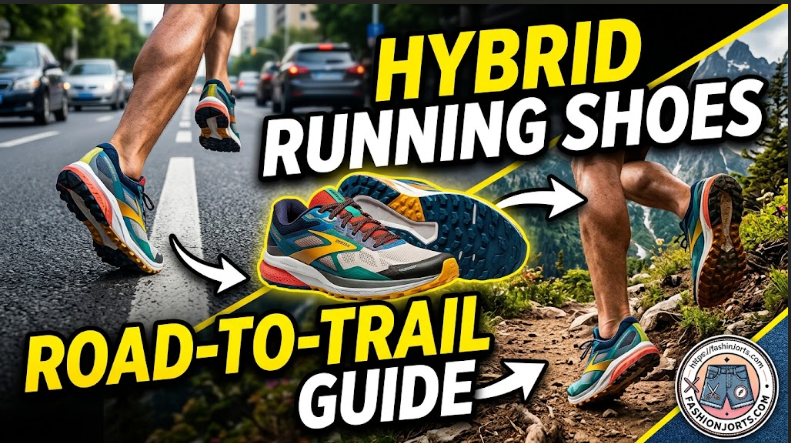
Running routes are rarely as predictable as they look on a map. A morning run might begin on smooth pavement, continue through a park path, and end on a gravel trail. Hybrid running shoes are designed for runners who want the freedom to handle these changes without carrying multiple pairs of footwear. Unlike traditional road shoes that focus mainly on asphalt comfort or trail shoes built for rough terrain, hybrid running shoes offer a balanced approach. They provide enough cushioning for everyday runs while adding extra grip and durability for light off-road surfaces. For runners who enjoy variety, travel often, or simply want one reliable pair for different activities, hybrid shoes can be a practical choice.
What Are Hybrid Running Shoes?
Hybrid running shoes are designed to perform across both road and light trail environments. They combine features from road running shoes, such as responsive cushioning and smooth transitions, with trail shoe elements like stronger outsoles and improved traction. The idea behind a hybrid shoe is not to make a perfect shoe for every surface. Instead, it aims to create a dependable option that performs well across different conditions.
A runner wearing hybrid shoes can comfortably move between:
- City sidewalks
- Running tracks
- Parks
- Gravel paths
- Packed dirt trails
They are especially useful for people whose running environment changes frequently.
How Hybrid Running Shoes Differ From Regular Running Shoes
The main difference comes down to flexibility and design purpose. Traditional road running shoes are usually lightweight and optimized for smooth surfaces. Their soles are designed to provide comfort and efficiency on pavement but may lose grip on loose ground. Trail running shoes are built for demanding outdoor conditions. They often include aggressive tread patterns, stronger protection, and features designed for uneven terrain.
Hybrid shoes sit between these two categories. They usually have:
- Moderate cushioning
- A durable outsole
- Balanced traction
- A comfortable everyday fit
This combination makes them suitable for runners who do not stay on one type of surface.
Why Many Runners Choose Hybrid Shoes
One of the biggest advantages of hybrid running shoes is convenience. Many runners do not need specialized footwear because they are not competing on roads or tackling difficult mountain trails. A single pair of hybrid shoes can handle weekday runs around the neighborhood and weekend adventures on nearby trails. They are also popular among travelers. Instead of packing separate shoes for walking, running, and outdoor activities, many people prefer a versatile pair that can handle different situations. For casual runners, this flexibility often matters more than having a shoe designed for one specific purpose.
Cushioning and Comfort: Finding the Right Balance
A good hybrid running shoe needs to balance softness and stability. Too much cushioning can make uneven surfaces feel unstable, while a very firm shoe may become uncomfortable during longer road runs. Most hybrid models aim for a middle ground by offering enough impact protection for pavement while maintaining control on changing terrain. Your preferred cushioning level depends on your running style. Some runners enjoy a softer feeling for longer distances, while others prefer a firmer and more responsive ride.
Understanding Hybrid Shoe Traction
The outsole is one of the most important parts of a hybrid running shoe. Compared with road shoes, hybrids usually have more textured rubber patterns that improve grip on dirt, gravel, and wet paths. However, their traction is generally less aggressive than dedicated trail shoes.
This makes them ideal for:
- Dry trails
- Park paths
- Gravel roads
- Light outdoor routes
They may not perform as well in deep mud, slippery rocks, or technical mountain terrain where specialized trail shoes are better suited.
Are Hybrid Running Shoes Good for Everyday Running?
For many runners, yes. Hybrid shoes work well for daily training because they offer comfort without limiting where you can run.
They are a good option for people who:
- Run different routes throughout the week
- Prefer outdoor running over treadmills
- Want fewer pairs of shoes
- Combine running with walking or casual activities
However, runners who only train on smooth roads may find a dedicated road shoe lighter and more efficient.
Who Should Buy Hybrid Running Shoes?
Hybrid running shoes are a strong choice for beginners because they allow more freedom while discovering different running environments. They also suit recreational runners who enjoy exploring new routes without worrying about changing footwear. People who travel frequently can benefit from them because they work for running, walking, sightseeing, and casual outdoor activities. They are also useful for runners living near parks or natural areas where surfaces change regularly.
Who May Need a Different Type of Shoe?
Hybrid shoes are not the answer for every runner. A road racing runner looking for maximum speed may prefer lightweight racing footwear. A trail athlete running through mountains, mud, or technical terrain will usually need shoes with stronger protection and deeper traction. Choosing the right shoe depends on where you spend most of your running time. A specialized shoe will usually perform better in extreme conditions, while a hybrid shoe provides greater flexibility.
How to Choose the Right Hybrid Running Shoes
Start by thinking about your normal routes. If most of your runs happen on pavement with occasional trail sections, look for a shoe with a smoother ride and comfortable cushioning. If you spend more time outdoors, prioritize grip, durability, and stability. Fit should always come before appearance or brand name. A good running shoe should feel secure around the heel, provide enough room in the toe area, and remain comfortable after several miles. It is also helpful to consider your running frequency. Someone running several times a week may need more durable materials than someone using shoes occasionally.
Common Mistakes When Buying Hybrid Running Shoes
One common mistake is choosing a shoe based only on looks or popularity. A model that works well for another runner may not match your running style or terrain. Another mistake is expecting hybrid shoes to perform like specialized road or trail shoes. They are designed for balance, not maximum performance in one category. Some runners also ignore fit because they assume shoes will become comfortable after breaking in. While materials can soften slightly, a poorly fitting shoe usually remains uncomfortable.
Conclusion
Hybrid running shoes are built for runners who want flexibility. They remove the need to choose between roads and light trails by combining comfort, durability, and practical performance. They are not designed to be the fastest road shoes or the toughest trail shoes. Their strength comes from balance. For runners who enjoy changing routes, exploring outdoor paths, or owning fewer pairs of shoes, a well-fitted hybrid running shoe can be one of the most useful additions to their gear collection. The best choice is always the one that matches your real running habits and the surfaces you use most often.