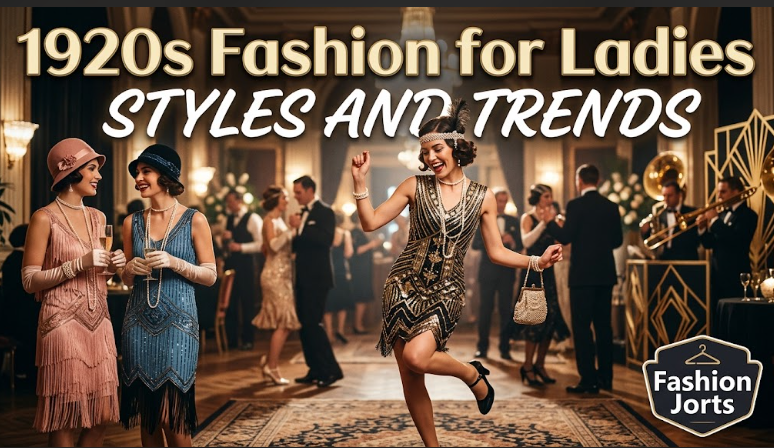
The 1920s was a turning point in women’s fashion. After years of traditional clothing styles, ladies began choosing outfits that reflected freedom, confidence, and a more active lifestyle. The decade introduced relaxed dresses, shorter hairstyles, bold accessories, and a new attitude toward personal style. Known as the Roaring Twenties, this era was shaped by jazz music, social gatherings, changing roles for women, and a desire for modern living. Fashion became less about strict rules and more about comfort, movement, and self-expression. From glamorous evening dresses to practical daytime outfits, women’s clothing in the 1920s created trends that still influence designers today.
How Women’s Fashion Changed in the 1920s
At the beginning of the 20th century, women’s clothing often focused on fitted waists, long skirts, and structured designs. The 1920s brought a completely different approach. Women started moving away from restrictive garments and chose styles that allowed easier movement. Dresses became looser, waistlines dropped lower, and fabrics became lighter. This change matched the lifestyle of many women who were working, traveling, attending social events, and enjoying new forms of entertainment. The goal was no longer only to create a traditionally feminine shape. Instead, fashion celebrated independence and a youthful appearance.
The Rise of the Flapper Dress
The flapper dress became the most recognizable symbol of 1920s women’s fashion. It represented a modern woman who was confident, social, and willing to break old fashion rules. These dresses usually had a straight shape with a dropped waistline around the hips. They were designed for comfort and movement, making them ideal for dancing in jazz clubs and attending parties. Many flapper dresses featured decorative details such as beads, sequins, embroidery, and fringe. These elements added sparkle and movement, especially under the lights of evening events. Although flapper dresses are strongly associated with the decade, they were mainly popular among younger women in urban areas. Many women continued wearing more traditional styles depending on their age, location, and lifestyle.
Everyday Clothing for Women in the 1920s
Not every outfit in the 1920s was designed for parties. Everyday fashion also changed to match women’s busy lives. Women commonly wore simple dresses, skirts with blouses, knitted sweaters, and tailored jackets. These outfits were practical while still maintaining a fashionable appearance. Sportswear also became more accepted during this period. Activities such as tennis and golf influenced clothing designs, creating more comfortable options for women who wanted active lifestyles. The decade encouraged women to mix style with practicality, which became an important idea in modern fashion.
Short Hairstyles Became a Fashion Statement
Hair played a major role in the changing image of women during the 1920s. Many women cut their long hair short and adopted the famous bob hairstyle. The bob was more than a haircut. For many women, it represented confidence, independence, and a break from older traditions. Popular hairstyles included finger waves, short bobs, and sleek cropped cuts. These styles worked perfectly with the decade’s fashionable hats and accessories. Short hair also made beauty routines easier, matching the faster pace of modern life.
The Popularity of Cloche Hats
The cloche hat was one of the most iconic accessories of the 1920s. This close-fitting, bell-shaped hat was designed to sit neatly over short hairstyles. Women often decorated their cloche hats with ribbons, embroidery, flowers, or small jewels. The accessory completed the elegant look of the decade and became a key part of everyday outfits. The popularity of cloche hats also showed how accessories became an important part of creating a complete fashion style.
Evening Dresses and Jazz Age Glamour
The nightlife of the 1920s had a strong influence on women’s fashion. As jazz clubs, theaters, and social gatherings became popular, women wanted clothing that looked glamorous and allowed them to move freely. Evening dresses often included luxurious fabrics such as silk and satin. Decorative elements like beads, metallic details, and fringe created a dramatic appearance. Unlike earlier formal wear that focused on heavy structure, 1920s evening fashion emphasized elegance through decoration and movement.
Jewelry and Accessories in 1920s Fashion
Accessories helped define the look of the decade. Women used jewelry and fashion pieces to add personality to simple outfits. Long pearl necklaces became especially popular, often worn with evening dresses. Other popular accessories included decorative headbands, bracelets, earrings, handbags, and gloves. Art Deco design also influenced jewelry during this period. Geometric patterns, bold shapes, and elegant materials reflected the modern spirit of the 1920s.
Makeup Trends of the 1920s
Beauty trends changed alongside clothing. Makeup became more common and was increasingly viewed as a way for women to express themselves. The popular 1920s makeup style included darker eyes, thin eyebrows, pale skin, and defined lips. Dark lipstick shades became fashionable, and the “Cupid’s bow” lip shape was a signature beauty trend. Movies and actresses helped spread these beauty ideas, making Hollywood an important influence on women’s appearance.
Coco Chanel and the New Approach to Style
Coco Chanel was one of the designers who helped shape women’s fashion during the 1920s. She promoted clothing that combined elegance with comfort. Her designs focused on simple shapes, practical fabrics, and a less restrictive approach to dressing. Chanel’s style encouraged women to look fashionable without relying on complicated clothing structures. Her influence helped create a new idea of modern elegance that continues to inspire fashion today.
Why 1920s Fashion Still Inspires Today
The fashion of the 1920s remains popular because it represents a major shift in how women viewed clothing. The decade introduced ideas that are still important today, including comfort, individuality, and confidence. Modern designers often revisit 1920s details such as fringe dresses, pearl accessories, Art Deco patterns, and vintage-inspired hairstyles. The appeal of the era comes from its balance between glamour and freedom. Women’s fashion was no longer only about appearance; it became a way to express personality and changing social values.
Conclusion
The 1920s changed women’s fashion by introducing a new sense of freedom and confidence. Dresses became easier to wear, hairstyles became shorter, and accessories became more expressive. Although the decade is remembered for flapper dresses and glamorous parties, its true impact was much deeper. It helped redefine what women’s clothing could represent. The style of the Roaring Twenties continues to attract attention because it captures a moment when fashion became a powerful form of independence and self-expression.