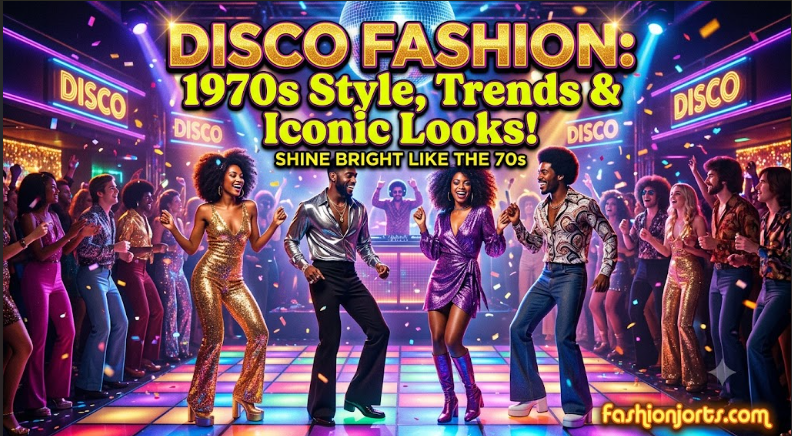
Disco fashion was one of the most recognizable style movements of the 1970s, combining music, nightlife, and personal expression into a bold new way of dressing. It was a time when clothing was not just about looking good but about creating an atmosphere. Under colorful club lights and spinning mirror balls, outfits became part of the performance. Known for sparkling fabrics, dramatic shapes, and confident styling, disco fashion reflected the energy of an era that celebrated freedom and individuality. Although the peak of disco culture lasted only a few years, its influence continues to appear in modern fashion through metallic clothing, platform shoes, wide-leg trousers, and glamorous eveningwear.
What Made Disco Fashion Unique?
Disco fashion stood apart because it focused on movement, confidence, and visual impact. People wanted clothes that looked impressive while dancing, which led to the popularity of comfortable yet eye-catching designs. Unlike traditional formalwear, disco outfits encouraged experimentation. Bright colors, unusual fabrics, and exaggerated details became acceptable choices for both men and women. The nightclub became a place where people could express personality through clothing. The style was not limited to one group of people. Disco clubs attracted diverse communities, and fashion became a way for individuals to show creativity and identity.
The Connection Between Disco Music and Fashion
The rise of disco music directly influenced the way people dressed. As dance clubs became popular during the 1970s, fashion adapted to the needs of dancers who wanted outfits that matched the excitement of the music. Clothing designers began creating pieces that moved naturally with the body. Stretch fabrics, loose trousers, and flowing dresses allowed people to dance comfortably while maintaining a stylish appearance. Nightlife venues also changed fashion expectations. Going to a club became an opportunity to dress differently from everyday life, with many people choosing glamorous outfits that would stand out in a crowd.
The Most Recognizable Features of Disco Style
Shiny Fabrics and Sparkling Details
One of the strongest images associated with disco fashion is the use of shine. Sequins, metallic materials, satin, and glittering fabrics became popular because they reflected the dramatic lighting found in clubs. These materials created movement and attracted attention, especially when dancers moved under flashing lights. A simple dress or jacket could become a statement piece when combined with the right fabric.
Bell-Bottom Pants and Wide-Leg Styles
Bell-bottom trousers became a defining feature of 1970s fashion. Their fitted upper section and wide lower shape created a distinctive silhouette that worked well with dancing. Both men and women wore flared trousers, often pairing them with fitted shirts, colorful patterns, and platform footwear. The style represented the relaxed and experimental attitude of the decade.
Jumpsuits as a Disco Favorite
The jumpsuit became one of the most practical and fashionable disco outfits. It offered freedom of movement while maintaining a polished appearance. Many disco jumpsuits featured bold colors, deep necklines, fitted shapes, or shiny materials. They became popular because they combined comfort with a dramatic evening look.
Women’s Disco Fashion Trends
Women’s disco fashion was known for glamour, confidence, and creativity. Outfits often focused on strong silhouettes and eye-catching details. Sequined dresses became a nightclub favorite because they created a luxurious appearance with minimal effort. Wrap dresses also gained popularity because they offered comfort while creating an elegant shape. Platform shoes were another important part of women’s disco style. They added height and created a dramatic finishing touch, often paired with bold jewelry, large earrings, and styled hair. Makeup and accessories were also essential. Glitter accents, colorful eyeshadow, and statement pieces helped complete the overall disco appearance.
Men’s Disco Fashion Trends
Disco changed men’s fashion by making it more expressive and colorful. Instead of traditional suits, many men embraced brighter styles with relaxed shapes. The leisure suit became closely connected with the disco era. These outfits often included matching jackets and trousers made from lightweight synthetic fabrics. Wide-collar shirts, open necklines, patterned designs, and flared trousers were also common choices. Men’s disco fashion showed that style could be playful rather than strictly formal.
The Influence of Studio 54 and Celebrity Style
Studio 54 in New York became one of the most famous symbols of disco culture. The nightclub was known for its celebrity guests, creative atmosphere, and fashionable crowd. The people who attended the club helped create the image of disco as glamorous and exclusive. Designers, musicians, actors, and artists all contributed to the popularity of the style. Celebrities such as Donna Summer, Diana Ross, and John Travolta became strongly connected with disco fashion. Their performances and appearances helped introduce these styles to audiences around the world.
Why Disco Fashion Still Inspires Designers Today
Although disco’s popularity declined after the 1970s, its fashion influence never completely disappeared. Designers continue returning to disco-inspired ideas because the style represents confidence and celebration. Modern versions of disco fashion are usually more subtle. Instead of wearing an entire retro outfit, people often include individual elements such as a metallic jacket, wide-leg trousers, or a sparkling accessory. Fashion trends often revisit the past, but disco remains special because it was built around enjoyment and self-expression rather than strict rules.
How to Wear Disco Fashion in a Modern Way
Creating a modern disco-inspired outfit does not require copying a complete 1970s look. The best approach is to combine vintage influences with contemporary pieces. A person might pair a sequined top with simple trousers or wear platform shoes with a modern dress. Men can add disco inspiration through a velvet jacket, patterned shirt, or wider-cut trousers. The goal is not to recreate the past exactly but to capture the confidence and energy that made disco style memorable.
Conclusion
Disco fashion remains one of the most memorable chapters in fashion history because it combined clothing with music, movement, and personality. It encouraged people to dress with confidence and view fashion as a form of expression. While the original disco era belonged to the 1970s, its influence continues through modern designs that borrow its sparkle, energy, and bold attitude. The lasting appeal of disco fashion comes from its simple message: clothing should not only be worn, it should be enjoyed.