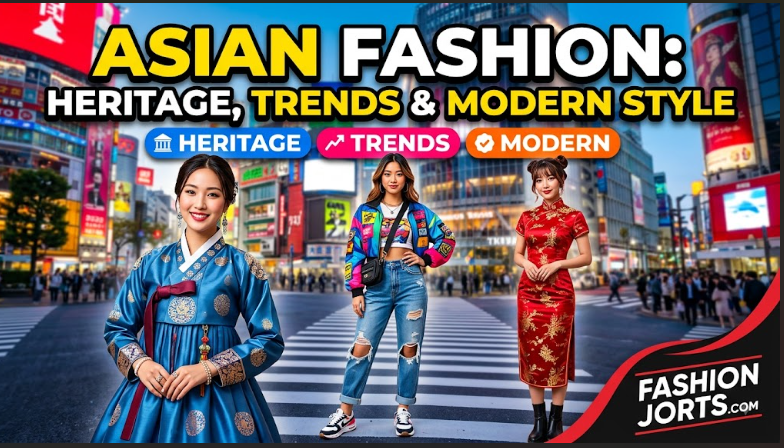
Asian fashion is a reflection of history, culture, creativity, and personal expression. It is not defined by one look or trend because Asia includes countless regions, traditions, and communities with their own unique approaches to clothing. From elegant traditional garments to modern streetwear seen in major cities, Asian fashion continues to influence how people around the world understand style. What makes Asian fashion interesting is the way it connects the past with the present. A traditional fabric technique can inspire a modern collection, while an old silhouette can be redesigned for everyday wear. Rather than replacing heritage with new trends, many Asian designers create clothing that respects tradition while making it relevant for today’s generation.
The Meaning Behind Asian Fashion
Clothing in many Asian cultures has always carried deeper meaning. Garments often represent family traditions, regional identity, celebrations, and social values. The choice of fabric, color, embroidery, and design can tell stories about where a person comes from and what their culture represents. For generations, artisans across Asia have developed specialized skills in weaving, dyeing, embroidery, and garment construction. These techniques have been passed from one generation to another, creating a strong connection between craftsmanship and fashion. Today, many designers continue to use these traditional methods while adapting them for modern consumers. This approach allows cultural clothing to remain relevant instead of becoming limited to museums or special occasions.
Japanese Fashion: Simplicity and Creative Expression
Japanese fashion is widely recognized for its balance between simplicity and experimentation. Traditional clothing such as the kimono represents careful attention to shape, fabric, and detail. Its structured design and artistic patterns have influenced designers around the world. Modern Japanese fashion is also known for challenging traditional ideas about clothing. Designers often experiment with oversized shapes, unusual materials, and unexpected combinations. Instead of focusing only on decoration, Japanese fashion often explores how clothing interacts with movement and the human body. Street fashion in cities like Tokyo has also gained international attention. Young people have created unique styles by mixing vintage pieces, designer clothing, accessories, and personal creativity. This has made Japanese street style a symbol of individuality.
Korean Fashion: Modern, Minimal, and Influential
Korean fashion has become one of the most visible parts of Asian style in recent years. The influence of Korean music, entertainment, and social media has introduced global audiences to Korean clothing trends. Modern Korean fashion often focuses on clean designs, comfortable shapes, and balanced styling. Many popular looks combine simple colors with carefully selected details, creating outfits that appear effortless but intentional. Traditional Korean clothing, especially the hanbok, continues to inspire designers. Modern versions often maintain the flowing shapes and elegant structure of traditional clothing while using updated materials and designs suitable for contemporary life. The popularity of Korean fashion shows how entertainment and clothing can influence each other. Music artists, actors, and influencers have helped introduce Korean styling to audiences across different countries.
Indian Fashion: A Celebration of Textiles and Craftsmanship
Indian fashion is known for its variety, color, and connection to skilled craftsmanship. Different regions of India have developed their own clothing traditions, fabrics, and decorative techniques. Garments such as the sari, lehenga, kurta, and sherwani remain important cultural pieces. At the same time, modern Indian designers are creating new styles by combining traditional craftsmanship with contemporary fashion ideas. Embroidery, hand weaving, and textile production remain central to Indian fashion. Many designers value handmade techniques because they create clothing with character and preserve the knowledge of skilled artisans. Indian fashion has also gained international attention because of its ability to combine celebration, elegance, and cultural storytelling through clothing.
Chinese Fashion: Tradition Reimagined
Chinese fashion has a long history shaped by different dynasties, artistic movements, and textile traditions. Clothing styles have changed over centuries, but elements such as silk, embroidery, and symbolic patterns continue to influence modern design. The qipao remains one of the most recognizable Chinese garments, known for its fitted shape and elegant appearance. Modern designers often take inspiration from traditional Chinese clothing without simply copying historical designs. Many contemporary Chinese designers focus on creating clothing that reflects cultural identity while fitting into modern lifestyles. This has led to renewed interest in heritage-inspired fashion among younger generations.
Southeast Asian Fashion: Culture Through Clothing
Southeast Asian fashion represents a wide range of cultures and traditions. Countries across the region have developed distinctive clothing styles influenced by climate, history, and local craftsmanship. Vietnam’s áo dài, Indonesia’s batik textiles, and Thailand’s silk traditions are examples of clothing styles that carry cultural meaning. These garments show how local materials and artistic skills can become powerful fashion identities. Modern designers in Southeast Asia are finding new ways to present traditional techniques. Many are creating contemporary clothing that keeps cultural elements while making designs practical for modern wearers.
The Growth of Asian Street Fashion
Street fashion has become one of the strongest examples of how Asian style continues to evolve. Cities such as Tokyo, Seoul, Shanghai, and Bangkok have become important centers for creative fashion movements. Unlike traditional fashion systems that often follow established rules, street style allows individuals to experiment. People combine different influences, including vintage clothing, luxury brands, local designers, and traditional elements. Social media has helped these styles reach international audiences. A fashion idea that begins in one city can quickly inspire people across the world.
Asian Fashion’s Influence on Global Style
Asian fashion has moved beyond regional boundaries and become part of global fashion conversations. International designers often look toward Asian textiles, craftsmanship, and design approaches for inspiration. However, appreciation of Asian fashion requires understanding its cultural background. Traditional clothing is not just a visual style; it often carries historical and personal meaning. Respectful fashion celebrates these influences by recognizing their origins and supporting the creators behind them. The strongest examples of Asian-inspired fashion come from collaboration and appreciation rather than simple imitation.
The Future of Asian Fashion
The future of Asian fashion will likely continue to combine heritage with modern creativity. Younger designers are finding new ways to protect traditional techniques while creating clothing that appeals to contemporary audiences. Sustainability is also becoming an important focus. Handmade textiles, durable clothing, and traditional production methods connect with growing interest in more thoughtful fashion choices. Asian fashion continues to grow because it offers more than trends. It provides stories, craftsmanship, and ideas that connect people with culture while allowing room for personal expression.
Conclusion
Asian fashion represents a conversation between history and modern life. Its strength comes from the ability to preserve cultural traditions while allowing designers and individuals to create something new. From handmade textiles to modern streetwear, Asian fashion continues to show that clothing can communicate identity, creativity, and heritage. Its global influence is likely to grow as more people discover the stories behind the styles they wear. The future of Asian fashion will not only be about following trends. It will be about respecting traditions, supporting creativity, and finding new ways to connect culture with everyday clothing.