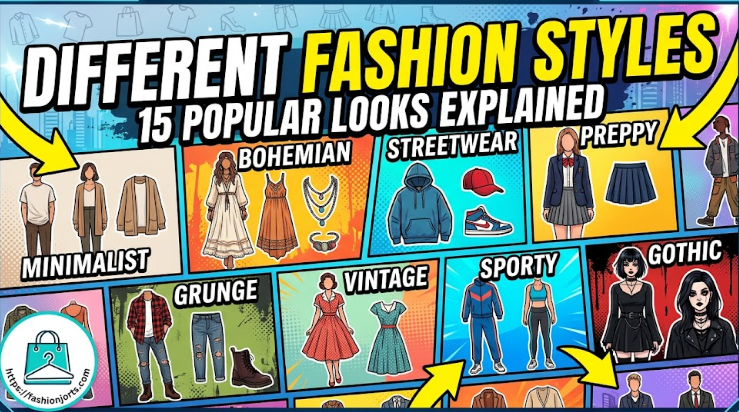
Getting dressed becomes easier when you understand what you actually like. You may feel best in relaxed jeans and sneakers, prefer sharp tailoring, or enjoy outfits built around bold colors and unusual shapes. These choices gradually form a personal style, even if you have never given it a name. Fashion styles are useful as reference points, but they are not strict rules. Most people borrow ideas from several looks depending on work, weather, social plans, and mood. Knowing the main styles can help you recognize what belongs in your wardrobe and what will probably sit unworn.
What Are Fashion Styles?
A fashion style is a recognizable approach to dressing. It can be defined by clothing shapes, fabrics, colors, footwear, accessories, and the way individual pieces are combined. Classic tailoring, for example, creates a very different impression from oversized streetwear even when both outfits use simple colors. Style is also more personal than fashion trends. A popular shoe or jacket may disappear from stores after a few seasons, while someone’s preference for clean tailoring or relaxed clothing can remain for years. That distinction matters when you’re trying to build a wardrobe rather than simply follow what is popular.
15 Different Fashion Styles to Know
1. Casual Style
Casual fashion is designed around comfortable clothes that work in everyday situations. Jeans, T-shirts, sweaters, sneakers, relaxed shirts, and lightweight jackets are common choices. The pieces usually require little effort to combine and can move easily between home, errands, travel, and informal social plans. A casual wardrobe doesn’t have to look careless. Good fit, clean shoes, and simple coordination can make basic clothing appear considered without making it formal. This makes casual style one of the easiest foundations for a practical wardrobe.
2. Classic Style
Classic style favors familiar pieces that remain wearable beyond a single season. Blazers, tailored trousers, button-down shirts, straight-leg jeans, simple dresses, loafers, and structured coats fit naturally into this category. Colors are often easy to coordinate, although classic dressing isn’t limited to neutrals. The main appeal is versatility. A well-cut blazer might work with trousers at the office and denim at dinner, while a simple coat can complement almost anything underneath. Instead of relying heavily on statement trends, classic dressing gives greater attention to fit and proportion.
3. Minimalist Style
Minimalist fashion reduces visual clutter. Clean silhouettes, limited decoration, straightforward shapes, and carefully selected colors allow each garment to do more work. Rather than building an outfit around several competing details, minimalist dressing often focuses attention on one strong shape or a particularly good fit. This approach doesn’t require an entirely black, white, or beige wardrobe. Color can work perfectly well if the overall outfit remains controlled and uncluttered. The goal is simplicity with intention rather than simplicity for its own sake.
4. Streetwear Style
Streetwear has a relaxed attitude but often pays close attention to proportion and cultural references. Hoodies, graphic shirts, loose jeans, cargo trousers, caps, sneakers, bomber jackets, and oversized outerwear are familiar elements. Sneakers can become a focal point rather than simply finishing the outfit. Modern streetwear ranges from accessible everyday clothing to expensive designer pieces. What connects these versions is usually the styling: relaxed shapes, layered pieces, graphics, and footwear that give the outfit a strong identity. Someone can also introduce streetwear through one oversized jacket or distinctive pair of sneakers without adopting the entire look.
5. Preppy Style
Preppy fashion takes cues from collegiate and traditional sports clothing. Polo shirts, Oxford shirts, chinos, cardigans, blazers, pleated skirts, loafers, rugby shirts, and cable-knit sweaters are common. Outfits generally appear neat and coordinated rather than deliberately distressed or oversized. Contemporary preppy dressing can be much more relaxed than older interpretations. A rugby shirt with loose jeans or loafers with casual trousers can keep the recognizable character without making the outfit feel overly formal. Small details often make the difference.
6. Bohemian Style
Bohemian fashion favors movement, texture, layering, and an artistic feel. Flowing dresses, loose blouses, wide trousers, long skirts, embroidered details, patterned fabrics, and textured accessories can all contribute to the look. Earth tones appear frequently, but rich colors and mixed prints can work just as well. Boho outfits are strongest when they feel relaxed rather than overloaded. One patterned garment paired with simpler pieces may be enough to establish the direction. Natural-looking fabrics and handcrafted details can add character without turning the outfit into a costume.
7. Grunge Style
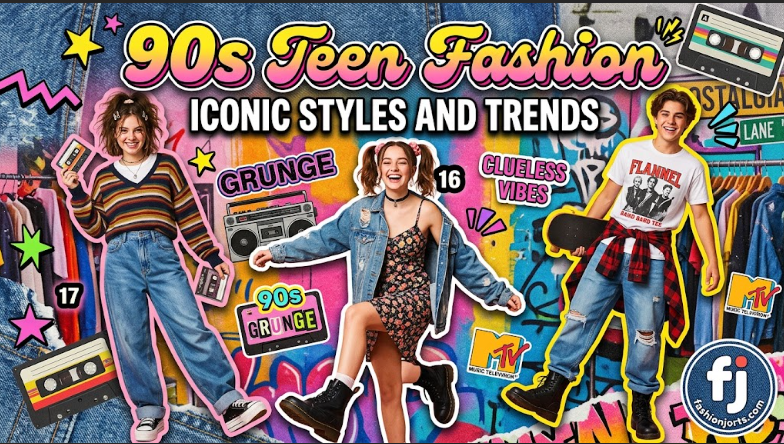
Grunge favors an intentionally undone appearance. Flannel shirts, worn denim, oversized knitwear, graphic T-shirts, loose layers, boots, and casual sneakers are typical choices. Dark or muted colors are common, although the style isn’t defined by a specific palette. The appeal lies partly in imperfection. Clothes don’t need to appear polished, sharply tailored, or carefully matched. Layering a loose shirt over a faded tee with jeans and boots can capture the look without requiring an exaggerated interpretation.
8. Punk Style
Punk fashion uses clothing to make a stronger visual statement. Leather jackets, tartan, distressed fabrics, graphic shirts, metal hardware, heavy boots, patches, and customized garments frequently appear. DIY alterations can be as important as the clothing itself. Modern punk-inspired dressing can be subtle or dramatic. Black jeans and boots with a leather jacket offer an accessible version, while extensive hardware, customized pieces, and contrasting patterns create something much bolder. The defining quality is attitude rather than a fixed checklist of garments.
9. Goth Style
Goth fashion is recognized for dark palettes and dramatic details. Black clothing dominates many outfits, accompanied by materials such as leather, lace, mesh, and velvet. Long coats, boots, silver-toned jewelry, fitted garments, and flowing silhouettes can all appear within the style. There are many interpretations of goth, ranging from restrained everyday outfits to elaborate looks with historical influences. That variety makes it inaccurate to treat goth as simply wearing black. Shape, texture, accessories, and styling give the clothing its character.
10. Sporty and Athleisure Style
Sporty fashion brings athletic clothing into everyday settings. Track pants, leggings, sweatshirts, jerseys, sneakers, caps, and performance-inspired jackets can form outfits that prioritize movement and comfort. Athleisure follows a similar idea but often combines exercise clothing with polished everyday pieces. Balance helps these outfits feel intentional. Leggings might be worn with a structured jacket, while track pants can work with a simple fitted top and clean sneakers. The result remains comfortable without looking as though the wearer has necessarily come straight from a workout.
11. Vintage and Retro Style
Vintage and retro dressing look to earlier decades for inspiration. The chosen period might bring 1950s dresses, 1970s flared trousers, 1980s outerwear, or relaxed 1990s denim into a modern wardrobe. Each decade offers different silhouettes, so vintage fashion is far broader than one recognizable look. There is also a useful distinction between the terms. Vintage generally describes genuinely older clothing, while retro pieces can be newly made but designed with an earlier period in mind. Mixing an older statement garment with contemporary basics often makes it easier to wear.
12. Y2K Style
Y2K fashion draws heavily from the late 1990s and early 2000s. Fitted tops, low-rise bottoms, crop tops, small shoulder bags, playful sunglasses, metallic finishes, and colorful accessories are strongly associated with the aesthetic. Silhouettes often emphasize the body more than oversized styles do. Today’s version doesn’t have to reproduce an early-2000s outfit exactly. A small bag, fitted tee, or period-inspired pair of trousers can introduce the reference while keeping the rest of the outfit current. This approach makes revival trends easier to adapt to personal taste.
13. Romantic Style
Romantic fashion uses softness as its main visual language. Flowing fabrics, floral patterns, lace, ruffles, bows, delicate jewelry, gentle colors, and graceful silhouettes frequently appear. Dresses and skirts fit naturally into the aesthetic, but they are far from mandatory. A blouse with subtle lace detailing can create a romantic feeling even when paired with ordinary jeans. This makes the style surprisingly flexible for everyday wear. The key is choosing a few softer details rather than making every part of the outfit decorative.
14. Workwear Style
Workwear takes practical garments originally associated with physical jobs and adapts them for casual wardrobes. Chore jackets, sturdy denim, carpenter trousers, canvas outerwear, utility pockets, overshirts, and substantial boots are familiar examples. Fabrics tend to look durable rather than delicate. These pieces combine particularly well with simple clothing. A chore jacket over a plain T-shirt and straight trousers creates a functional outfit without appearing like actual work clothing. Workwear also pairs naturally with casual and streetwear influences.
15. Avant-Garde Style
Avant-garde fashion treats clothing as a place for experimentation. Designers and wearers may play with unusual proportions, asymmetry, deconstruction, sculptural shapes, unexpected layering, or unconventional materials. The objective isn’t necessarily to create the most traditionally flattering silhouette. This is one of the harder styles to reduce to basic wardrobe essentials because experimentation is the point. Still, everyday outfits can borrow from it through an asymmetric jacket, exaggerated trousers, or unusually shaped outerwear. One experimental garment can change the character of otherwise simple clothing.
How to Find Your Personal Fashion Style
Start with your existing wardrobe before shopping for a new identity. Look at the clothes you wear repeatedly and notice similarities in fit, color, fabric, footwear, and level of formality. The pieces you choose without thinking often reveal more about your preferences than an inspiration board does. Your lifestyle should also influence the answer. Someone who walks frequently, works in a relaxed office, and lives somewhere warm needs different clothing from someone attending formal meetings in a cold climate. A useful personal style has to function outside photographs.
Look at What You Already Wear
Choose several outfits in which you consistently feel comfortable and confident. Look for recurring features rather than focusing on brand names. You might discover that you prefer loose trousers, fitted tops, muted colors, or structured jackets across several seemingly different outfits. The clothes you rarely wear can be just as informative. If highly decorated garments repeatedly stay in the closet, a simpler style may suit you better. Understanding what you avoid can prevent expensive shopping mistakes.
Consider Your Lifestyle and Comfort
A wardrobe has to support the way you spend your time. Work requirements, social activities, weather, travel, and preferred footwear all affect which styles are realistic. There is little value in building a wardrobe around formal tailoring if most of your week requires comfortable casual clothing. Comfort also means more than softness. Some people feel comfortable in oversized garments, while others prefer structured clothes that hold their shape. Pay attention to the physical and visual qualities that make you want to wear an item again.
Experiment With Different Styles
Experimenting doesn’t require replacing everything you own. Introduce one unfamiliar element at a time, such as loafers with casual jeans, a workwear jacket over a minimalist outfit, or a romantic blouse with tailored trousers. Small changes make it easier to understand what genuinely suits you. Give new combinations several chances before making a decision. An unfamiliar silhouette may initially feel strange simply because you’re used to seeing yourself differently. If it still feels wrong after repeated wear, move on without forcing it.
Can You Mix Different Fashion Styles?
Mixing styles often produces more personal outfits than following one aesthetic from head to toe. Classic trousers can work with streetwear sneakers, while a romantic blouse can soften rugged denim. A minimalist base can also make an unusual vintage or avant-garde piece easier to wear. The easiest combinations usually share one connecting element. Similar colors, balanced proportions, repeated materials, or consistent footwear can make contrasting garments look deliberate. You don’t need every item to belong to the same category for an outfit to make visual sense.
Fashion Style vs. Fashion Trend
A fashion trend describes something gaining attention during a particular period. It could involve a color, shoe, trouser shape, fabric, accessory, or styling technique. Trends can disappear quickly, return years later, or gradually become familiar wardrobe staples. Personal style develops differently because it reflects repeated preferences. You can adopt a current trend without allowing it to define everything you wear. The useful question isn’t whether an item is fashionable, but whether you will still want to reach for it after the initial excitement has passed.
Conclusion
Understanding fashion styles gives you a practical vocabulary for clothing, but it shouldn’t create another set of rules. Labels such as casual, minimalist, streetwear, romantic, or preppy simply describe patterns that can help you recognize what attracts you. A good wardrobe also changes as your life changes. Work, climate, comfort, budget, and personal taste can all shift, so there is no reason to remain attached to one aesthetic forever. Clothes are more useful when they adapt with you. Use these categories as references rather than instructions. Keep the pieces you genuinely enjoy, experiment carefully with unfamiliar ideas, and pay attention to what you continue wearing after the novelty disappears. The result may not fit neatly under one fashion label. That is often exactly what makes it personal.