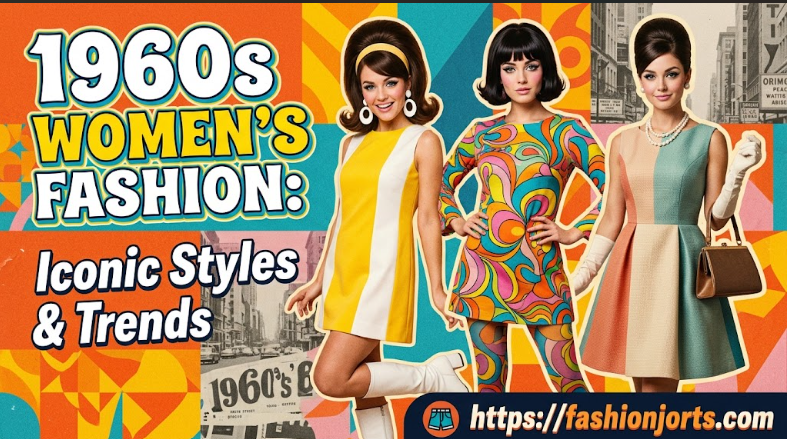
The 1960s changed women’s fashion forever. It was a period when clothing moved beyond traditional rules and became a way to express personality, confidence, and independence. Women’s styles shifted from the polished elegance of the early years to bold, youthful designs and relaxed looks influenced by social movements. The decade produced some of the most recognizable fashion pieces in history, including mini skirts, shift dresses, go-go boots, and flowing bohemian outfits. Each style reflected a different part of society, from classic sophistication to youthful rebellion and creative freedom.
The Changing Identity of Women’s Fashion in the 1960s
At the start of the decade, many women still preferred refined and structured clothing. Fashion often focused on neat silhouettes, coordinated outfits, and feminine details. Tailored jackets, elegant dresses, and carefully matched accessories created a sophisticated appearance. As the decade progressed, younger generations began influencing fashion more than ever before. Teenagers and young adults wanted clothing that felt modern, comfortable, and different from previous generations. Designers started creating styles that reflected music, art, and changing social attitudes. Fashion was no longer only about looking elegant. It became a way for women to show individuality and challenge traditional expectations.
Early 1960s Style: Classic Elegance and Polished Looks
The beginning of the 1960s continued many trends from the previous decade. Women often wore fitted dresses, skirt suits, and simple but sophisticated outfits suitable for work, social events, and everyday life. One of the strongest influences of this period was Jacqueline Kennedy. Her clean style, including tailored suits, sleeveless dresses, pearls, and simple accessories, became admired around the world.
Popular early 1960s fashion included:
- Structured jackets
- Knee-length skirts
- Simple sheath dresses
- Matching accessories
- Low-heeled shoes
This style represented confidence and sophistication while maintaining a feminine appearance.
The Rise of Mod Fashion and Youth Culture
By the middle of the 1960s, fashion began to look much younger and more experimental. The Mod movement introduced fresh designs that focused on simplicity, bright colors, and eye-catching patterns. Mod fashion was strongly connected with London’s youth culture, where fashion, music, and creativity came together. Young women embraced clothing that felt energetic and modern rather than traditional.
The most recognizable Mod pieces included:
- Short skirts
- Shift dresses
- Bold geometric prints
- Bright color combinations
- Knee-high boots
- Statement accessories
The style became popular because it allowed women to create a youthful appearance without following the strict fashion rules of earlier decades.
The Popularity of Mini Skirts and Short Dresses
The mini skirt became one of the most famous symbols of 1960s fashion. While shorter hemlines had appeared before, the 1960s made them a mainstream choice for many young women. Mini skirts represented changing attitudes toward youth, confidence, and personal choice. They were often worn with tights, boots, or simple tops to create a fashionable but practical outfit. Mini dresses also became popular because they offered a playful alternative to the more formal dresses of the past. Designers experimented with new shapes, fabrics, and patterns, creating clothing that looked fresh and modern.
1960s Dresses: From Simple Shapes to Bold Designs
Dresses remained an important part of women’s wardrobes throughout the decade. However, the design philosophy changed dramatically. The shift dress became one of the defining styles of the era. Unlike the fitted dresses of previous years, shift dresses had a loose and comfortable shape. They allowed women to move freely while maintaining a stylish appearance.
Other popular dress trends included:
- A-line dresses
- Sleeveless designs
- Floral prints
- Abstract patterns
- Empire waist styles
Colors also became more adventurous. Fashion moved away from only soft and traditional shades and embraced brighter combinations that reflected the energy of the decade.
Space Age Fashion and Futuristic Designs
The excitement surrounding technology and space exploration influenced many designers during the 1960s. Fashion began experimenting with unusual materials, sharp shapes, and futuristic details. Designers created clothing that looked modern and different from anything before. White outfits, metallic fabrics, and geometric designs became associated with this futuristic style.
Space-inspired fashion often featured:
- Silver and metallic colors
- Clean lines
- Modern accessories
- Unusual materials
- Structured shapes
These designs captured the optimism of a decade fascinated by scientific progress and new possibilities.
The Influence of Hippie Fashion in the Late 1960s
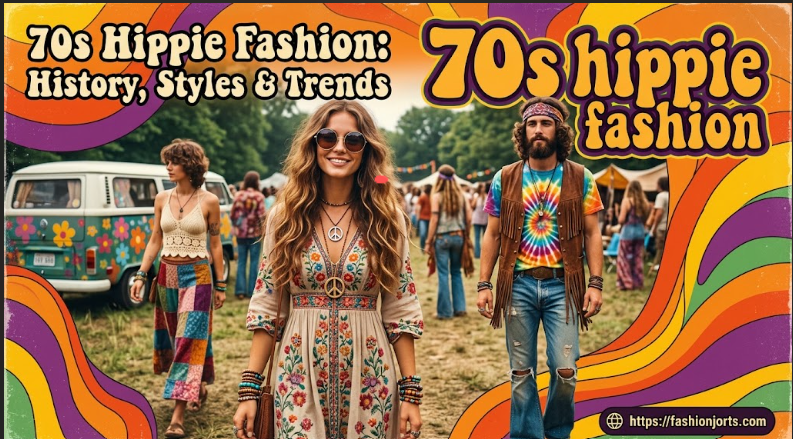
The late 1960s introduced a completely different approach to clothing. Many young people rejected formal fashion and embraced styles connected with freedom, nature, and creativity. Hippie fashion focused on comfort and personal expression. Instead of carefully structured outfits, people chose flowing fabrics, handmade details, and relaxed silhouettes.
Popular hippie-inspired clothing included:
- Maxi dresses
- Bell-bottom trousers
- Loose blouses
- Fringe jackets
- Floral patterns
- Crochet pieces
- Headbands
This style reflected a desire for individuality and a connection with artistic and cultural movements of the time.
Hairstyles and Makeup That Defined the Decade
Beauty trends changed alongside clothing. Early 1960s hairstyles often emphasized volume and structure, with styles like the beehive becoming widely recognized. Later in the decade, many women preferred shorter cuts or more natural hairstyles. Models and celebrities influenced beauty trends, especially among younger audiences.
Makeup focused heavily on the eyes. Women often used:
- Dark eyeliner
- False eyelashes
- Defined brows
- Light lipstick shades
The dramatic eye makeup associated with Twiggy became one of the most memorable beauty trends of the decade.
Fashion Icons Who Represented 1960s Style
Several women became closely associated with the fashion of the era.
Jacqueline Kennedy represented timeless elegance through her simple and refined outfits. Her style influenced women who preferred classic clothing with a modern touch. Twiggy became the face of youthful Mod fashion. Her short haircut, slim silhouette, and dramatic makeup helped define the look of the younger generation. Audrey Hepburn continued inspiring women with her minimalist style, including simple dresses, cropped trousers, and elegant accessories. Brigitte Bardot influenced a more relaxed and feminine approach with her effortless hairstyles and casual outfits.
Why 1960s Women’s Fashion Still Inspires Today
The influence of 1960s fashion remains strong because the decade introduced ideas that still feel relevant. Modern designers continue using short dresses, retro prints, simple silhouettes, and bohemian elements in new collections. More than just clothing, the decade represented a change in how women approached personal style. Fashion became less about following one standard and more about choosing pieces that reflected personality. The 1960s remain memorable because they combined elegance, experimentation, and freedom. From polished suits to bold youth styles, the decade created trends that continue appearing in wardrobes around the world.
Conclusion
1960s women’s fashion was a turning point that changed how people viewed clothing. It introduced a wider range of choices, allowing women to move between elegant, playful, and relaxed styles. The decade’s biggest contribution was the idea that fashion could represent personality and lifestyle. Whether through a classic suit, a colorful mini dress, or a flowing bohemian outfit, women used clothing to express who they were. Today, the 1960s continues to inspire because it was a decade where creativity and confidence became central parts of style. Its influence can still be seen in modern fashion collections, vintage trends, and everyday clothing choices.