What Is J-Fashion?
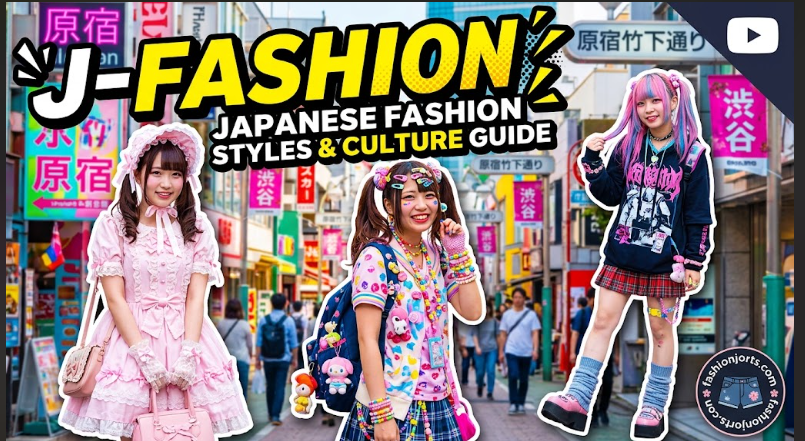
J-Fashion is a term used to describe Japanese fashion styles, movements, and aesthetics that have developed through street culture, designer creativity, music, and youth communities. Unlike traditional fashion trends that often focus on seasonal changes, J-Fashion is strongly connected with individuality and personal identity. From carefully designed Lolita dresses to experimental Harajuku outfits, Japanese fashion encourages people to create looks that represent who they are. It is not limited to one appearance or rule. Instead, it includes many different styles, each with its own history, values, and visual language.
How Japanese Fashion Culture Developed
Japan’s modern fashion culture grew through a combination of traditional influences and international ideas. Clothing in Japan has long reflected attention to detail, craftsmanship, and harmony between colors, patterns, and materials. After Japan became more connected with Western countries, new clothing influences entered Japanese society. Over time, designers and young people began adapting these influences into something unique. Tokyo became a major center for fashion experimentation, especially in areas where young creatives gathered to share ideas and develop new styles. During the 1990s and early 2000s, Japanese street fashion gained international attention. Fashion magazines, photographers, and online communities helped introduce these creative styles to audiences outside Japan.
Harajuku Fashion and Street Creativity
Harajuku fashion is one of the most recognized parts of J-Fashion. The area around Harajuku in Tokyo became famous for young people wearing unusual, colorful, and highly personal outfits. The appeal of Harajuku style comes from freedom. People often combine different influences, such as vintage clothing, punk elements, cute designs, gothic details, and modern streetwear. The goal is not always to look fashionable by traditional standards but to create something memorable and personal. Although Harajuku’s street scene has changed over the years, its influence remains strong. Many global fashion communities continue to draw inspiration from its creativity and willingness to challenge ordinary style rules.
Lolita Fashion: Elegance Inspired by History
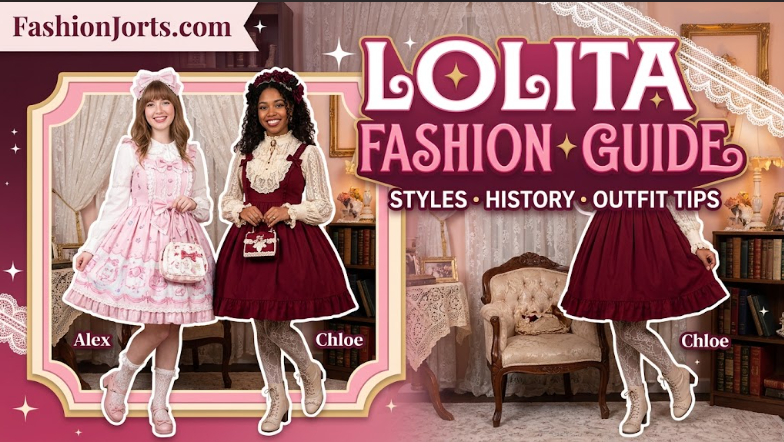
Lolita fashion is one of the most recognizable Japanese fashion movements worldwide. It takes inspiration from Victorian and Edwardian clothing while adding Japanese creativity and modern design elements. The style is known for detailed dresses, lace, ribbons, structured skirts, and carefully selected accessories. Many followers focus on coordination, craftsmanship, and creating a complete look rather than simply wearing individual pieces. Different forms of Lolita fashion developed over time. Sweet Lolita uses softer colors and playful designs, Gothic Lolita introduces darker themes, and Classic Lolita focuses on elegant patterns and traditional influences.
Visual Kei and Fashion Through Music
Visual Kei shows the close relationship between Japanese music and clothing culture. Emerging from Japan’s rock scene, this style became known for dramatic appearances, bold makeup, unusual hairstyles, and theatrical outfits. For many fans, Visual Kei is not only about clothing. It represents a connection with music, performance, and artistic identity. The style also helped create more space for creative approaches to appearance and gender expression.
Gyaru and the Influence of Beauty Culture
Gyaru developed as a Japanese youth fashion movement that focused on confidence, glamour, and personal style. It became especially popular in Tokyo during the 1990s and early 2000s. The style often included carefully styled hair, strong makeup, fashionable clothing, and decorative accessories. Different versions of Gyaru appeared over time, ranging from bold and dramatic looks to softer everyday styles. Beyond appearance, Gyaru represented a way for young women to create their own image and express independence through fashion choices.
Kawaii Culture and Playful Fashion
The Japanese concept of “kawaii,” meaning cute, has influenced many areas of culture, including fashion. Kawaii-inspired clothing often uses bright colors, playful designs, character references, and youthful details. Decora fashion is one example of this approach. It is recognized for colorful outfits covered with accessories such as hair clips, bracelets, and decorative items. Instead of focusing on simplicity, Decora celebrates creativity through abundance. Kawaii fashion has become one of Japan’s most recognizable cultural exports, influencing designers, brands, and communities around the world.
Japanese Designers and Global Fashion Influence
Japanese fashion influence extends beyond street style. Designers such as Rei Kawakubo, Yohji Yamamoto, and Issey Miyake changed international perceptions of clothing design. Their work introduced different approaches to shape, structure, fabric, and movement. Instead of always following traditional ideas about beauty and tailoring, they explored new ways clothing could interact with the human body. Japanese designers have shown that fashion can be both practical and artistic, influencing designers across Europe, North America, and other regions.
How Social Media Changed J-Fashion
The internet has transformed how people discover and participate in Japanese fashion. In the past, international fans often depended on magazines, limited stores, or fashion communities to learn about Japanese styles. Today, social media platforms allow people to share outfits, discover brands, and connect with fashion communities worldwide. This has made J-Fashion more accessible, but it has also changed how some styles are understood outside Japan. Many enthusiasts now combine traditional Japanese fashion elements with their own cultural influences, creating new interpretations of classic styles.
Why J-Fashion Continues to Matter
J-Fashion remains influential because it gives people permission to experiment. It challenges the idea that clothing should only follow mainstream trends or social expectations. Its lasting appeal comes from creativity, attention to detail, and the belief that fashion can communicate personality. Whether someone prefers elegant Lolita styles, colorful streetwear, or dramatic alternative fashion, J-Fashion offers a space for individual expression.
Conclusion
J-Fashion represents more than clothing choices. It reflects creativity, cultural exchange, and the freedom to build a personal identity through appearance. From Tokyo’s streets to international fashion communities, Japanese style movements continue to inspire people who want something beyond ordinary trends. The future of J-Fashion will continue to change, but its core message remains clear: fashion is a powerful way to express individuality.
Meta Title:
Meta Description: