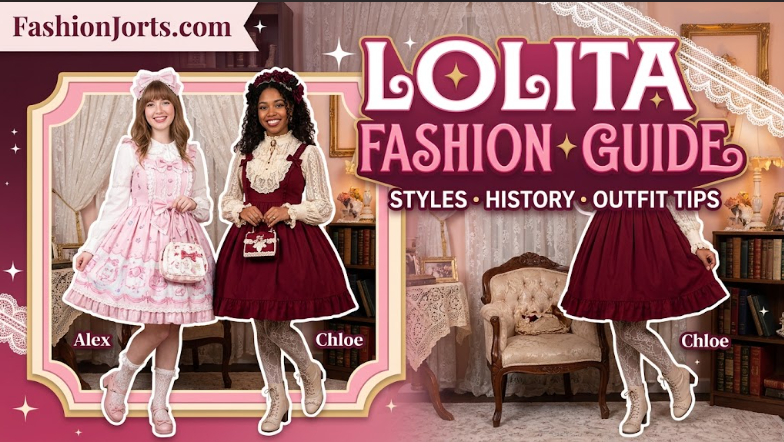
Lolita fashion is a distinctive Japanese style recognized for its elegant dresses, lace details, full skirts, and carefully arranged accessories. More than a way of dressing, it has become a creative community where people use clothing to express personality, imagination, and appreciation for historical-inspired design. Although the style often attracts attention because of its dramatic appearance, Lolita fashion is built on careful coordination rather than simply wearing decorative clothes. Every element, from the shape of the skirt to the choice of shoes, contributes to a complete outfit that reflects a specific mood or theme.
What Makes Lolita Fashion Unique?
The defining feature of Lolita fashion is its structured silhouette. Most outfits include a skirt or dress with a rounded shape created by a petticoat underneath. This creates the classic doll-like appearance associated with the style while maintaining a refined and polished look.Unlike everyday fashion, where individual pieces are often chosen separately, Lolita outfits are designed as complete coordinates. A wearer may carefully match a dress with a blouse, socks, shoes, hair accessories, and a handbag to create a consistent visual style. The fashion draws inspiration from European historical clothing, particularly Victorian and Rococo aesthetics, but it is not a reproduction of historical dress. Instead, designers reinterpret those influences through modern Japanese fashion.
The Development of Lolita Fashion in Japan
Lolita fashion emerged from Japan’s alternative street fashion scene during the late 20th century. Its development was connected to the growth of kawaii culture, which encouraged playful, decorative, and highly personalized approaches to clothing. During the 1980s and 1990s, Japanese fashion brands began creating designs that featured lace, bows, romantic prints, and feminine silhouettes. Over time, these elements became more closely associated with what is now recognized as Lolita fashion. Harajuku, an area in Tokyo known for youth fashion and creative street styles, helped the movement gain visibility. Fashion magazines and dedicated communities introduced the style to more people, while the internet later allowed enthusiasts around the world to participate.
The Different Styles Within Lolita Fashion
Lolita fashion is not limited to one appearance. Several major styles have developed, allowing people to choose a look that matches their personal taste.
Sweet Lolita
Sweet Lolita is known for its soft colors, playful designs, and cheerful themes. It often includes pastel shades, dessert-inspired prints, flowers, animals, and oversized bows. This style creates a charming and youthful appearance, but the outfits still follow the structured principles of Lolita fashion. The focus is on balance between cute details and elegant design.
Gothic Lolita
Gothic Lolita combines the traditional Lolita shape with darker influences. Black dresses, deep colors, dramatic accessories, and Gothic-inspired patterns are common features. Despite its darker appearance, Gothic Lolita keeps the same attention to detail found in other Lolita styles. The goal is not simply to look mysterious but to create a refined and dramatic outfit.
Classic Lolita
Classic Lolita has a more traditional and mature feeling. It takes inspiration from antique fashion, using floral prints, neutral colors, and elegant designs. Compared with Sweet Lolita, this style usually avoids very playful themes and focuses more on timeless beauty. Many people are drawn to Classic Lolita because of its connection to historical fashion.
Other Lolita Variations
Over the years, many smaller styles have appeared. Country Lolita includes natural themes and countryside influences, while Sailor Lolita incorporates nautical details such as sailor collars and maritime patterns. There are also color-focused styles, such as Shiro Lolita, which uses mostly white clothing, and Kuro Lolita, which centers around black outfits.
The Key Parts of a Lolita Outfit
A complete Lolita look depends on several important pieces working together. The dress is usually the main focus. It may be a one-piece dress or a jumperskirt worn over a blouse. Designs often include decorative prints, embroidery, lace, and ribbons. The petticoat is essential because it creates the rounded shape that defines the style. Without the correct volume underneath, the outfit may lose the traditional Lolita silhouette. Blouses add another layer of detail through features such as lace collars, puff sleeves, and ruffled designs. Shoes, stockings, headwear, and accessories complete the overall appearance and help create a specific theme.
Why Lolita Fashion Has a Dedicated Community
One reason Lolita fashion remains popular is that it gives people control over their personal style. Many wearers enjoy creating outfits that represent their interests rather than following mainstream trends. The community surrounding Lolita fashion is also an important part of the experience. Enthusiasts often meet at tea parties, conventions, and local gatherings where they share outfit ideas and celebrate the style together. For many people, wearing Lolita is not about attracting attention. It is about enjoying fashion as a creative activity and building confidence through personal expression.
Common Misunderstandings About Lolita Fashion
Because of its unusual appearance, Lolita fashion is sometimes misunderstood. One common mistake is assuming it is a costume. While the outfits can look theatrical, Lolita is considered a fashion style with its own traditions and design standards. Another misunderstanding is that all Lolita clothing looks the same. In reality, the different substyles allow for a wide range of colors, themes, and moods. The style is also not limited to a specific age group or personality type. Anyone who appreciates the aesthetic can participate and create outfits that feel comfortable and meaningful.
How Beginners Can Start Wearing Lolita Fashion
Starting with Lolita fashion does not require building an entire wardrobe immediately. Many beginners begin with one complete outfit and gradually learn how different pieces work together. Choosing a preferred style first can make the process easier. Someone interested in colorful designs may prefer Sweet Lolita, while those who enjoy darker or historical influences may prefer Gothic or Classic styles. Learning about proportions, color matching, and accessories is often more valuable than simply buying expensive pieces. A thoughtful outfit usually creates a stronger impression than one made from unrelated items.
The Continued Appeal of Lolita Fashion
Fashion trends often change quickly, but Lolita has maintained a loyal following because it offers something different. Instead of focusing only on practicality or popularity, it celebrates creativity and individuality. Its combination of historical inspiration, Japanese design culture, and personal expression has allowed Lolita fashion to remain relevant across generations. The style continues to evolve as new designers, communities, and wearers bring fresh ideas while respecting the foundations that made Lolita recognizable.
Conclusion
Lolita fashion represents a different way of thinking about clothing. Instead of treating fashion as something temporary, it focuses on creativity, detail, and personal meaning. From colorful Sweet Lolita designs to the elegance of Classic styles and the drama of Gothic looks, the fashion offers many ways for people to express themselves. Its lasting popularity shows that clothing can be more than something we wear every day. It can also be a creative outlet, a connection to a community, and a reflection of individual identity.