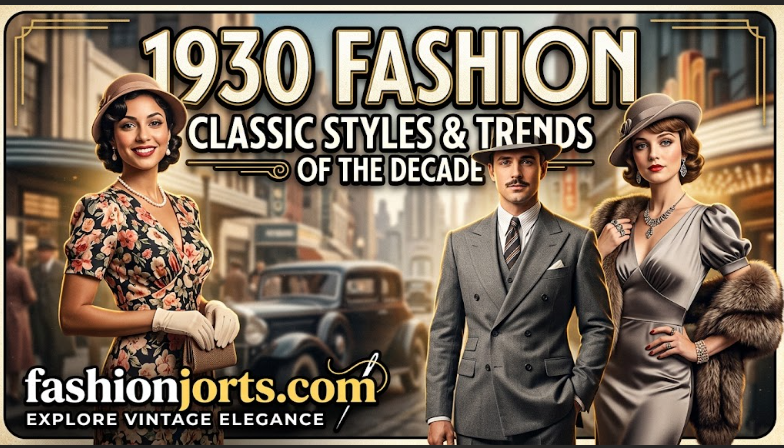
The 1930s introduced a new vision of style built around elegance, confidence, and refined simplicity. After the relaxed silhouettes of the 1920s, fashion shifted toward clothing that followed the natural shape of the body. Women’s dresses became longer and more graceful, men’s suits became sharper, and designers focused on creating pieces that looked sophisticated while remaining practical. The decade was shaped by changing social conditions, economic challenges, and the growing influence of Hollywood. While many people faced financial difficulties during the Great Depression, fashion remained a way to express personality and optimism. The result was a period that produced some of the most recognizable designs in fashion history.
How Fashion Changed From the 1920s to the 1930s
The transition from the 1920s to the 1930s brought a noticeable change in the way people dressed. The loose, straight-cut styles associated with flapper fashion gave way to more structured garments that highlighted the waist and created a more feminine shape. Women’s clothing became more fitted, with designers paying greater attention to proportion and movement. Skirts grew longer, shoulders became more defined, and dresses were designed to create a smooth, elegant silhouette. For men, the decade strengthened the popularity of tailored clothing. Suits became broader through the shoulders and more polished in appearance, reflecting a desire for confidence and sophistication.
The Rise of the Elegant 1930s Silhouette
One of the defining characteristics of 1930s fashion was the return of the natural body shape. Instead of hiding the figure under loose fabrics, designers created clothing that worked with the body’s curves.
Women’s dresses often featured:
- Defined waistlines
- Softly shaped hips
- Flowing fabrics
- Longer skirts
- Draped details
This silhouette created a balance between comfort and elegance. Clothing looked refined without appearing overly restrictive, making the style appealing for both everyday wear and special occasions.
The Influence of Hollywood Glamour
Hollywood played a major role in shaping fashion trends during the 1930s. Movies became a powerful source of inspiration, and audiences looked to actresses for ideas about beauty, clothing, and personal style. Stars such as Greta Garbo, Jean Harlow, and Marlene Dietrich introduced glamorous looks that influenced women around the world. Evening gowns, luxurious fabrics, dramatic hairstyles, and sophisticated makeup became closely connected with the image of the modern woman. Film studios also invested heavily in costume design. The clothing worn by actors on screen often became a reference point for fashion designers and everyday shoppers.
Women’s Dresses and Everyday Style
The typical woman’s wardrobe in the 1930s included practical daytime dresses, elegant evening gowns, and carefully chosen accessories. Clothing was designed to be attractive but also suitable for daily life.
Day dresses often included details such as:
- Button-front designs
- Printed fabrics
- Decorative collars
- Pleated skirts
- Belted waists
Shirtwaist dresses became especially popular because they offered a polished appearance while remaining comfortable. These dresses could be worn for work, shopping, or social occasions with small changes in accessories.
The Beauty of Bias-Cut Evening Dresses
The bias-cut dress became one of the most memorable styles of the decade. This technique involved cutting fabric diagonally, allowing it to fall naturally over the body and create a smooth, flowing shape. These gowns were often made from silk, satin, and other soft materials. They featured elegant details such as open backs, gentle draping, and floor-length designs. The popularity of bias-cut dresses represented the 1930s approach to glamour: simple lines, quality materials, and a focus on movement rather than excessive decoration.
Women’s Pants and Changing Fashion Attitudes
Although dresses remained the standard choice for many women, the 1930s saw growing acceptance of trousers in certain situations. Women began wearing wide-leg pants for travel, beach outings, and leisure activities. Fashion icons helped make this style more visible. Marlene Dietrich became famous for wearing tailored suits and masculine-inspired clothing, challenging traditional ideas about how women should dress. These changes reflected a broader shift toward comfort, independence, and personal expression.
Men’s Fashion and Classic Suiting
Men’s fashion in the 1930s was defined by strong tailoring and classic construction. The suit remained the foundation of a man’s wardrobe, but its shape changed from previous decades.
Popular features included:
- Wider lapels
- Broad shoulders
- High-waisted trousers
- Double-breasted jackets
- Three-piece suits
Men often completed their outfits with leather shoes, pocket squares, ties, and hats such as the fedora. The overall style emphasized confidence and attention to detail.
Accessories That Completed the 1930s Look
Accessories were an essential part of 1930s fashion. They helped transform simple outfits into polished ensembles.
Women commonly wore:
- Gloves
- Small handbags
- Pearl jewelry
- Decorative brooches
- Stylish hats
Hats were especially important during this period. Many women considered a hat an essential finishing touch rather than an optional accessory.
Men also relied on accessories, with hats, watches, and carefully selected shoes completing their appearance.
How the Great Depression Shaped Fashion Choices
The economic struggles of the 1930s affected what people wore and how they approached clothing. Many families had limited budgets, which encouraged practical shopping habits and creative reuse of existing garments. Affordable fabrics became more common, and people looked for clothing that could serve multiple purposes. However, the desire for beauty did not disappear. Fashion during this period showed that elegance did not always require expensive materials. Good design, careful tailoring, and thoughtful styling could create an impressive appearance.
Designers Who Defined the Decade
Several designers helped shape the identity of 1930s fashion. Madeleine Vionnet became known for her mastery of fabric movement and the bias-cut technique. Her designs emphasized simplicity, craftsmanship, and natural elegance. Elsa Schiaparelli brought a more artistic approach to fashion. Her creative designs introduced unusual colors, shapes, and ideas that challenged traditional clothing styles. Coco Chanel continued influencing women’s fashion by promoting comfortable yet sophisticated clothing that matched modern lifestyles.
Why 1930s Fashion Remains Popular Today
The appeal of 1930s fashion comes from its ability to combine elegance with practicality. Modern designers continue to revisit the decade because many of its ideas still feel relevant. Flowing dresses, tailored suits, vintage accessories, and Hollywood-inspired styling regularly appear in contemporary fashion collections. The decade continues to attract people who appreciate classic design and timeless clothing.
Conclusion
The 1930s created a fashion identity that combined elegance, practicality, and creativity. Despite economic difficulties, designers and consumers found ways to express style through thoughtful clothing choices and timeless designs. From Hollywood-inspired gowns to perfectly tailored suits, the decade introduced styles that continue to influence modern fashion. Its greatest lesson is that great design does not depend only on luxury; it comes from balance, craftsmanship, and confidence.