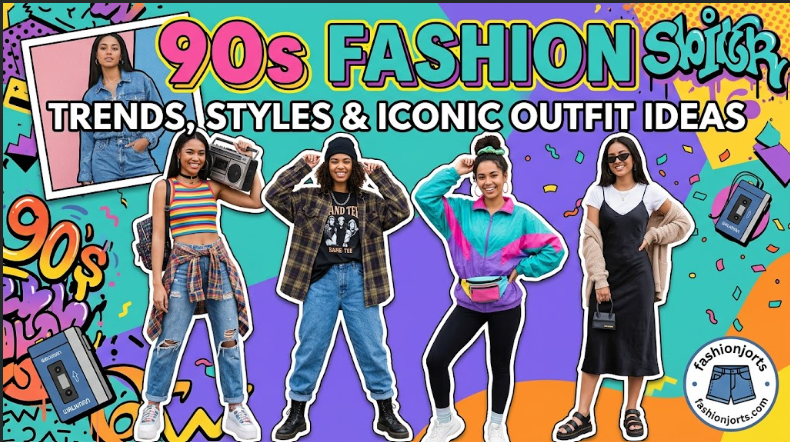
The 1990s created a fashion identity unlike any other decade. Instead of focusing on excess and perfection, the era embraced comfort, individuality, and self-expression. From oversized denim and casual streetwear to minimalist dresses and rebellious grunge outfits, 90s fashion reflected a generation that wanted clothing to feel authentic rather than overly styled. What made the decade memorable was the variety of influences behind the trends. Music, television, sports, and youth culture all shaped what people wore. A teenager inspired by hip hop could dress completely differently from someone following grunge or preppy fashion, yet both styles represented the same decade. Today, many people return to 90s-inspired clothing because these styles feel practical, recognizable, and easy to personalize. The decade continues to influence modern wardrobes through vintage denim, relaxed silhouettes, and nostalgic outfit combinations.
What Defined 90s Fashion?
The biggest characteristic of 90s fashion was freedom. There was no single outfit that represented everyone. Instead, people adopted styles based on their interests, communities, and favorite cultural influences. The decade moved away from the bold patterns and dramatic shapes of the 1980s. Clothing became more relaxed, with simple designs and comfortable fits becoming everyday choices. Basic pieces such as jeans, T-shirts, jackets, and sneakers became the foundation of many outfits.
Some of the most recognizable elements of the era included:
- Oversized clothing
- Denim pieces
- Layered outfits
- Simple color combinations
- Vintage-inspired clothing
- Sportswear influences
- Statement accessories
The focus was not on looking perfectly coordinated. A successful 90s outfit often looked natural, casual, and slightly effortless.
Early 90s Fashion: A Transition From the 80s
Early 90s fashion still carried some influence from the previous decade, but the overall mood started changing. People began moving toward simpler outfits that felt more comfortable and practical. Denim became a major part of everyday clothing. High-waisted jeans, denim jackets, and casual shirts appeared everywhere. Athletic clothing also became more accepted outside of sports settings, creating a connection between comfort and style. For women, simple tops, loose jeans, and casual dresses became popular choices. Men often wore relaxed shirts, straight-leg jeans, and sneakers as everyday outfits. The early 90s were about finding a balance between the boldness of the past and the relaxed attitude that would define the decade.
Late 90s Fashion and the Rise of New Trends
By the late 90s, fashion started becoming more playful and experimental. The clean minimalism of the early decade mixed with influences that would later shape early 2000s style. Popular late 90s looks included fitted tops, low-rise jeans, cargo pants, colorful accessories, and platform shoes. Pop culture had a stronger impact than ever, with celebrities and television characters becoming major fashion references. Teen fashion especially changed during this period. Young people used clothing to show personality, whether through sporty outfits, alternative styles, or carefully styled casual looks.
90s Fashion Women Loved: From Minimalism to Street Style
Women’s fashion in the 90s balanced simplicity with confidence. Some outfits looked elegant and minimal, while others were inspired by music and street culture. One of the most recognizable trends was the slip dress. Its simple shape made it versatile, allowing people to wear it with heels for a polished look or layer it with T-shirts and boots for a casual outfit.
Other popular women’s styles included:
- Crop tops
- Cardigans
- Straight-leg jeans
- Mini skirts
- Denim jackets
- Chokers
- Small handbags
The decade also introduced a more relaxed approach to beauty and styling. Many popular looks focused on natural appearances rather than highly structured fashion.
Iconic Female 90s Fashion Influences
Several women became closely associated with 90s style. Supermodels represented a minimalist and glamorous side of fashion, while actresses and musicians influenced everyday clothing choices. Television characters also shaped trends. Shows featuring young adults and teenagers introduced viewers to casual outfits that felt realistic and easy to recreate. Female fashion during the decade was not limited to one aesthetic. A person could choose a simple black dress one day and a loose streetwear-inspired outfit the next.
90s Fashion Men: Casual Style Takes Over
Men’s fashion during the 1990s became more relaxed than previous decades. Comfortable clothing moved from being casual-only to becoming a major part of everyday style.
Popular choices included:
- Baggy jeans
- Graphic T-shirts
- Hoodies
- Flannel shirts
- Baseball caps
- Sneakers
- Bomber jackets
The influence of music was especially strong. Hip hop, rock, and skate culture all introduced new ways for men to express personality through clothing. A typical 90s men’s outfit often combined simple pieces rather than expensive or complicated items.
90s Hip Hop Fashion and Streetwear Culture
Hip hop had one of the biggest impacts on 90s fashion. What started as a cultural movement became a global influence on clothing. The style was known for oversized shapes, sports-inspired pieces, and bold accessories. Loose jeans, jackets, sneakers, and athletic clothing became important parts of streetwear. Artists helped turn everyday clothing into recognizable fashion statements. Their influence reached beyond music and changed how many people viewed casual clothing. Women in hip hop also created powerful fashion moments by combining streetwear with feminine details. Their outfits showed that oversized clothing and bold styling could work in different ways.
90s Grunge Fashion: A Rebellious Approach
Grunge fashion represented a completely different attitude. Instead of focusing on polished appearances, it valued authenticity and comfort.
The style became known for:
- Flannel shirts
- Ripped jeans
- Band T-shirts
- Oversized sweaters
- Boots
- Layered clothing
Grunge outfits often looked intentionally relaxed. Thrifted pieces and worn-in clothing became part of the style because they created a sense of individuality. The movement showed that fashion did not always need to look expensive or carefully planned to make an impact.
90s Skater Fashion and Youth Style
Skater fashion developed from skateboarding communities but eventually became popular among teenagers worldwide. Loose jeans, hoodies, graphic shirts, and skate shoes defined the look. Comfort was essential because the clothing needed to support an active lifestyle. The style also influenced mainstream fashion by making oversized clothing and casual footwear more acceptable.
90s Black Fashion and Cultural Influence
Black fashion in the 1990s shaped many trends that continue today. Hip hop artists, athletes, and entertainers introduced new approaches to streetwear, branding, and personal style. Oversized clothing, sports-inspired outfits, sneakers, and statement accessories became powerful forms of expression. The decade showed how music and fashion could influence each other. Clothing was not just about appearance; it represented identity, creativity, and cultural connection.
How to Wear 90s Fashion Today
Modern 90s-inspired outfits work best when they feel natural rather than like a costume. The goal is to borrow key elements while keeping the look current. For a women’s outfit, try combining straight-leg jeans with a fitted top, sneakers, and an oversized jacket. A slip dress with boots or a casual cardigan can also create a strong 90s-inspired appearance. For men, relaxed jeans, a graphic T-shirt, sneakers, and a denim or bomber jacket create an easy everyday look. The most important part is choosing pieces that match your personality. The original spirit of 90s fashion was individuality.
Why 90s Fashion Is Still Popular
The continued popularity of 90s fashion comes from its simplicity. Many people appreciate clothing that feels comfortable but still has character. The decade produced timeless pieces that are easy to mix with modern wardrobes. Denim, sneakers, jackets, and basic tops remain useful because they do not depend on short-lived trends. Another reason for the revival is nostalgia. People who grew up during the decade often reconnect with familiar styles, while younger generations discover them through social media and vintage fashion.
Conclusion
90s fashion remains memorable because it represented a shift toward individuality and comfort. The decade allowed people to choose styles that matched their personality, whether they preferred grunge, streetwear, minimalism, or preppy clothing. The strongest 90s looks were never about following strict rules. They were about combining simple pieces in a way that felt personal. That is why the decade continues to inspire modern fashion. Its best ideas were built around confidence, creativity, and wearing clothes that feel like yourself.