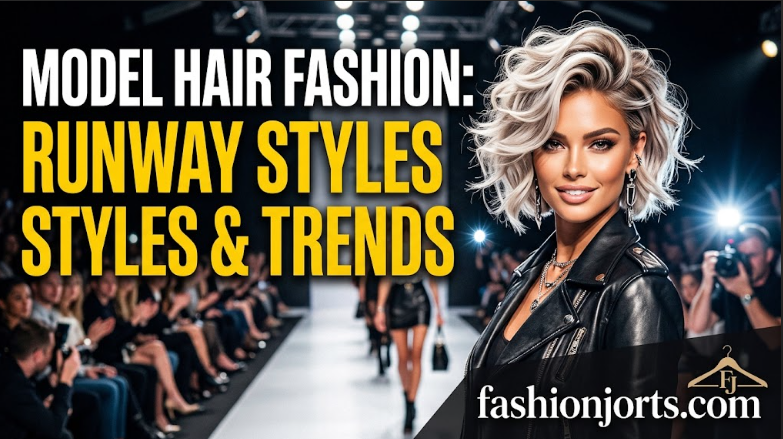
Hair has always been one of the most powerful elements in fashion. A model’s hairstyle can completely change the mood of an outfit, create a memorable image, and help tell the story behind a designer’s collection. From effortless waves and polished ponytails to bold cuts and creative textures, model hair fashion continues to inspire beauty trends around the world. Unlike everyday styling, fashion model hairstyles are created with a strong visual purpose. They are designed to work with clothing, makeup, lighting, and photography. A simple change in texture, shape, or color can turn a basic look into something that feels modern, dramatic, or timeless.
What Is Model Hair Fashion?
Model hair fashion refers to the hairstyles and beauty concepts created for fashion models during runway shows, photoshoots, campaigns, and editorial projects. These styles are usually developed by professional hairstylists who work closely with designers and creative teams. The goal is not only to make hair look attractive but also to create a complete fashion statement. A hairstyle may represent confidence, elegance, rebellion, simplicity, or creativity depending on the theme of the collection. Many runway hairstyles are artistic expressions rather than everyday looks. However, they often inspire trends that later become popular in salons and personal styling.
Why Hair Matters in the Fashion Industry
A model’s hair helps create a recognizable identity. Just like clothing and makeup, hairstyles influence how people remember a fashion moment. A sleek hairstyle can give a sophisticated appearance, while textured curls can create a feeling of natural beauty and confidence. Short cuts may represent strength and individuality, while long flowing styles often create a classic feminine look. Fashion designers understand that every detail matters. The right hairstyle helps the audience connect with the mood and message of a collection.
Popular Model Hair Fashion Styles
The Classic Supermodel Blowout
The supermodel blowout remains one of the most recognizable hairstyles in fashion. Known for volume, movement, and a polished finish, this style creates a glamorous appearance without looking too formal. The hairstyle became especially famous during the 1990s when models were known for their effortless beauty and confident runway presence. Today, modern versions include softer layers, natural volume, and relaxed movement. This style works well because it combines elegance with a feeling of confidence that suits many different fashion looks.
Sleek Straight Hair
Straight, smooth hair is a favorite choice for designers who prefer a clean and modern appearance. This style focuses on shine, precision, and simplicity. Models often wear sleek hair with center parts or tucked behind the ears to highlight facial features and clothing details. The minimal approach allows the outfit to become the main focus while still creating a strong beauty statement.
Natural Texture and Soft Waves
Modern fashion has created more space for natural hair textures and relaxed styling. Many models now wear their natural curls, waves, and volume instead of changing their hair to fit one traditional standard. Soft waves are also popular because they create movement and a relaxed appearance. This style can look elegant on the runway while still feeling approachable for everyday fashion.
Short Hair and Bold Transformations
Short hairstyles have helped many models create unforgettable identities. A dramatic haircut can completely change a model’s appearance and create a fresh image. Pixie cuts, sharp bobs, and cropped styles are often connected with confidence and individuality. These hairstyles prove that fashion is not only about length or traditional beauty ideas but also about personal expression.
Creative Runway Hairstyles
Some model hair fashion focuses on artistic design rather than practical styling. Fashion shows often feature unusual shapes, sculpted hairstyles, dramatic accessories, and creative textures. These hairstyles are created to match a designer’s vision and make the runway experience more memorable. Although they may not become everyday trends, they influence hairstyling ideas and encourage creativity.
How Fashion Stylists Create Model Hair Looks
Creating a runway hairstyle requires planning and teamwork. Hairstylists study the clothing collection, makeup direction, and overall theme before deciding on the final look. Professional teams prepare models backstage, often working with limited time before a show begins. They use different techniques, including heat styling, extensions, products, and accessories, to achieve the desired result. A successful fashion hairstyle must look impressive while allowing models to move comfortably and showcase the clothing properly.
The Growing Influence of Personal Style
The fashion industry has changed the way it views beauty. Today, there is more appreciation for different hair types, textures, and individual styles. Models are increasingly recognized for their unique appearances rather than fitting into one specific beauty category. Natural curls, textured hair, unconventional cuts, and personal styling choices have become important parts of modern fashion. This shift allows more people to find inspiration from models who represent a wider range of beauty.
Hair Accessories in Model Fashion
Accessories can transform a simple hairstyle into a complete fashion look. Designers often use ribbons, clips, headbands, scarves, and decorative pieces to add personality. A small accessory can create a vintage feeling, a luxury appearance, or a playful style depending on how it is used. These details often make runway hairstyles more memorable and easier for people to adapt.
How to Create a Model-Inspired Look
Creating a model-inspired hairstyle does not require copying a runway look exactly. The best approach is to choose elements that match your own personality and hair type. Healthy hair is the foundation of any stylish look. Regular care, suitable products, and proper styling techniques can help create shine and movement. You can also experiment with small changes, such as adding volume, changing your part, trying soft waves, or using simple accessories.
Common Mistakes When Following Hair Trends
One common mistake is choosing a hairstyle only because it looks good on someone else. Hair texture, face shape, and daily routine all affect how a style works. Another mistake is focusing only on appearance while ignoring hair health. Excessive heat styling or frequent chemical treatments can damage hair if proper care is not followed. The best fashion choices balance inspiration with practicality.
The Future of Model Hair Fashion
Model hair fashion will continue to change as designers explore new ideas and people embrace more personal styles. Future trends are likely to focus on creativity, individuality, and healthier approaches to styling. The biggest change is that fashion is no longer limited to one definition of beauty. Models today represent different looks, and hairstyles have become a way to celebrate personality.
Conclusion
Model hair fashion shows how powerful hair can be in creating a visual identity. A hairstyle is not simply an accessory; it is part of the message a model and designer want to communicate. From classic blowouts to creative runway designs, fashion hairstyles continue to inspire people to experiment with their appearance. The strongest trends are those that combine style with confidence and individuality. The future of model hair fashion will likely continue moving toward personal expression, where every texture, length, and style has a place in the world of beauty.