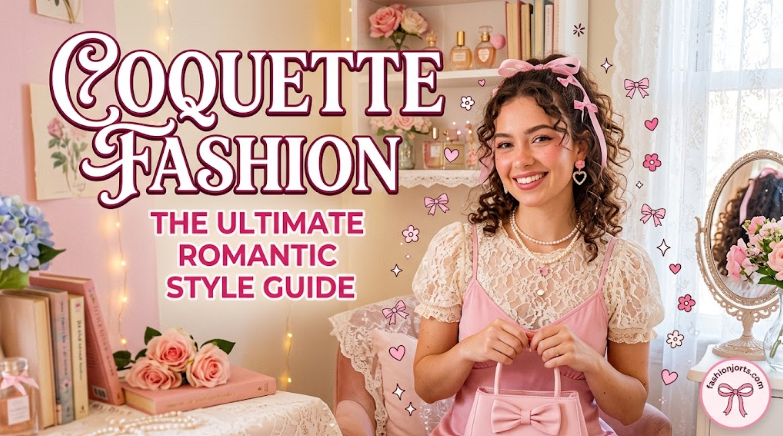
Coquette fashion has become one of the most recognizable style movements of recent years, bringing romantic details, vintage influences, and feminine charm into everyday dressing. Defined by bows, lace, pearls, soft colors, and delicate silhouettes, the style creates a dreamy appearance while allowing people to express their own personality. Unlike fast-moving trends that depend on one specific item, coquette fashion is built around a feeling. It combines elements from past fashion eras with modern styling, creating outfits that feel elegant, playful, and personal. From a simple ribbon in the hair to a complete lace-and-satin outfit, the aesthetic can be adapted in many ways. The rise of social media helped introduce coquette fashion to a wider audience, but its appeal comes from something much older: the desire to make clothing feel expressive, beautiful, and connected to personal identity.
What Is Coquette Fashion?
Coquette fashion is a romantic style centered around soft, feminine, and vintage-inspired elements. The word “coquette” has French origins and traditionally describes someone charming or playful, but the modern fashion interpretation focuses more on aesthetics than personality. The style often includes delicate fabrics, decorative details, and elegant shapes. Common features include ribbon bows, lace trims, satin textures, pearl accessories, floral patterns, and fitted silhouettes. While the aesthetic is strongly associated with femininity, it is not limited to one type of person. Many people are drawn to coquette fashion because it allows them to experiment with beauty, nostalgia, and creativity through clothing.
The Origins Behind the Coquette Aesthetic
Although coquette fashion became widely discussed online in the 2020s, its influences come from several historical fashion movements. Victorian clothing, with its lace details and romantic shapes, is one of the strongest inspirations behind the style. The aesthetic also takes inspiration from Rococo fashion, known for decorative clothing, soft colors, and elegant details. Elements from old Hollywood glamour, ballet-inspired dressing, and vintage European fashion also appear in modern coquette outfits. What makes the trend interesting is how it combines these older influences with current fashion habits. A modern coquette outfit might include a vintage-inspired blouse paired with casual jeans or a classic dress styled with contemporary accessories.
Why Coquette Fashion Became Popular
The popularity of coquette fashion grew through platforms where users share visual inspiration, outfit ideas, and personal style experiments. Social media allowed people to create communities around specific aesthetics, making romantic fashion more accessible. Another reason for its popularity is the return of nostalgic fashion. Many recent trends have looked toward previous decades for inspiration, and coquette style fits into this movement by bringing back details that were once considered traditional or overly decorative. The style also offers an alternative to minimalist fashion. Instead of focusing only on simplicity, coquette fashion celebrates small details and encourages people to enjoy clothing as a form of creativity.
The Main Features of Coquette Fashion
Bows and Ribbons
Bows are the most recognizable symbol of coquette fashion. They can appear as hair accessories, dress decorations, shoe details, or small additions to handbags. A ribbon does not need to dominate an outfit. Even a small bow can add a romantic touch to an otherwise simple look. Many people enjoy bows because they are easy to incorporate into everyday clothing without requiring a complete wardrobe change.
Lace and Delicate Fabrics
Fabric choice plays an important part in creating the coquette appearance. Lace, satin, chiffon, velvet, and silk are commonly associated with the style because they create a softer and more elegant look. Lace tops, satin skirts, and dresses with embroidered details are popular choices. These materials help create the vintage-inspired mood that defines the aesthetic.
Soft Colors and Feminine Shades
The traditional coquette color palette focuses on gentle and romantic shades. Pink is one of the most common colors, but white, cream, pastel blue, lavender, and beige are also popular. Some people prefer a darker version of the aesthetic by using black lace, deep red tones, and dramatic accessories. This creates a moodier interpretation while keeping the romantic foundation.
Popular Coquette Clothing Pieces
Dresses are among the most popular choices for anyone interested in this style. Floral dresses, satin designs, puff sleeves, and vintage-inspired silhouettes naturally fit the romantic appearance. Tops often include lace details, fitted cardigans, soft blouses, and corset-inspired designs. These pieces can be styled with skirts for a traditional look or combined with jeans for a more casual approach. Shoes also help define the outfit. Ballet flats, Mary Jane shoes, and delicate heels are commonly chosen because they match the graceful and feminine character of the aesthetic.
Accessories That Complete a Coquette Look
Accessories are a major part of creating a complete coquette outfit. Small details often have the biggest impact. Popular choices include pearl necklaces, heart-shaped jewelry, ribbon hair clips, vintage-style handbags, and decorative headbands. Hair styling is also important. Soft curls, elegant ponytails, and hairstyles featuring ribbons or bows often complete the romantic appearance. The key is balance. Wearing too many decorative pieces at once can make an outfit feel less natural, while carefully selected accessories can create a polished result.
How to Wear Coquette Fashion in Everyday Life
Coquette fashion does not have to mean wearing elaborate dresses every day. Many modern interpretations focus on mixing romantic pieces with simple wardrobe staples. A lace blouse with denim jeans creates a relaxed version of the style. A cardigan with a skirt and ballet flats can create a classic everyday outfit. Even a basic outfit can become coquette-inspired with the addition of pearls or a ribbon accessory. The most successful looks usually reflect personal taste rather than copying a specific trend. The aesthetic works best when people adapt it to their own lifestyle.
Coquette Fashion Compared With Other Aesthetic Trends
Coquette fashion is often compared with other popular aesthetics because they share similar feminine elements. Balletcore focuses on dance-inspired clothing, including wrap tops, ballet flats, and soft layers. Coquette fashion overlaps with balletcore but places more attention on romantic decorations such as bows and lace. Cottagecore is inspired by countryside living, nature, and simple rural clothing. Coquette style is more focused on elegance, romance, and decorative details. Old money fashion emphasizes timeless clothing, neutral colors, and quiet luxury. Coquette fashion is usually more playful and expressive, using visible feminine details.
Is Coquette Fashion More Than a Trend?
Many fashion trends appear quickly and disappear just as fast, but coquette fashion has stronger foundations because its influences come from long-standing styles. Romantic clothing, lace details, bows, and feminine silhouettes have appeared throughout fashion history. The modern version simply presents these ideas through a digital age lens. Whether it remains a dominant trend or evolves into something new, the elements behind coquette fashion are likely to continue appearing because they represent a timeless approach to personal style.
Conclusion
Coquette fashion has grown because it offers something beyond clothing: a way to create a mood and express individuality. Its combination of vintage inspiration and modern styling allows people to experiment with softness, elegance, and creativity. The appeal of the aesthetic comes from its flexibility. Some people embrace the full romantic look, while others simply add small details that bring a touch of charm to everyday outfits. As fashion continues to change, coquette style shows that classic ideas of beauty and decoration can find new life when they are adapted for a modern audience.