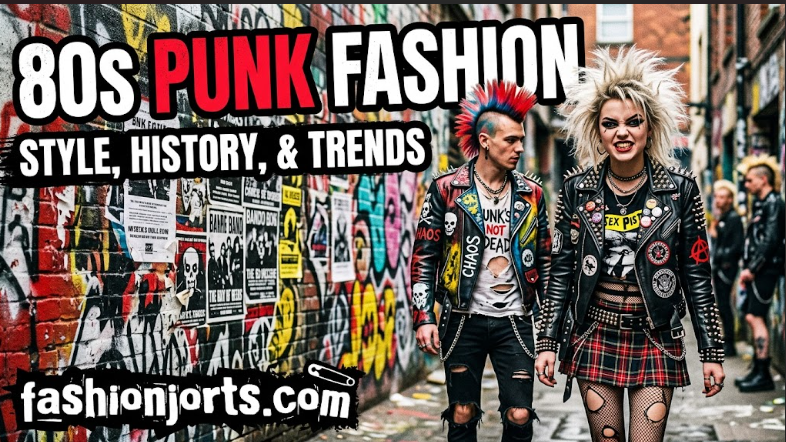
80s punk fashion was a powerful expression of individuality, creativity, and resistance. Emerging from underground music scenes, the style rejected polished mainstream trends and replaced them with ripped fabrics, customized clothing, bold hairstyles, and personal statements. It was never only about appearance; every jacket patch, hairstyle, and accessory often carried a connection to music, identity, or social ideas. The decade brought different versions of punk style. Some people embraced dramatic looks with colorful hair and heavily decorated jackets, while others preferred simple jeans, boots, and band shirts connected to hardcore punk. Despite these differences, the movement shared one common idea: fashion should reflect the person wearing it.
The Origins of 80s Punk Fashion
Punk fashion developed from the late 1970s punk movement, but the 1980s gave it new forms and wider influence. Early punk style challenged traditional ideas of beauty, wealth, and acceptable clothing. Instead of following fashion rules, punks created their own appearance using affordable and modified pieces. During the 1980s, punk communities grew in different regions, creating unique styles. British punk continued its theatrical approach with striking outfits and provocative designs. Meanwhile, American hardcore punk scenes developed a more practical style focused on comfort, movement, and everyday wear. The clothing reflected the attitude of the music. Punk was built around independence, and the fashion followed the same philosophy.
The Essential Clothing Pieces of 80s Punk Style
Leather Jackets as a Punk Symbol
The leather jacket became one of the most recognizable parts of punk fashion. A simple black jacket could be transformed through personal changes such as patches, painted designs, metal studs, and band logos. Unlike traditional fashion pieces, punk jackets were rarely meant to look perfect. Scratches, repairs, and handmade additions gave them character. Each jacket became a visual record of the person’s interests and influences.
Ripped Jeans and Distressed Clothing
Damaged clothing became a defining feature of punk style. Torn jeans, frayed shirts, and patched trousers challenged the idea that clothing had to look new or expensive. Many punks created their own designs by cutting, sewing, painting, and altering existing clothes. This DIY approach made every outfit different and helped people avoid looking like they were following a commercial trend.
Band T-Shirts and Music Culture
Music and fashion were closely connected in the punk scene. Band T-shirts allowed fans to show their connection to specific groups and communities. A simple shirt could represent a favorite band, a local music scene, or a shared attitude. Punk clothing was often a way of communicating without saying anything.
Boots and Heavy Footwear
Footwear played an important part in creating the strong silhouette associated with punk fashion. Combat boots, motorcycle boots, and similar styles became popular because they were durable and matched the rebellious appearance of the clothing. Some people decorated their boots with additional details, while others kept them simple. Both approaches reflected the personal nature of punk style.
Hairstyles That Defined the Movement
Hair became one of the most noticeable parts of 80s punk fashion. Many punks used hairstyles to separate themselves from mainstream expectations. Popular styles included mohawks, spikes, shaved sections, and brightly colored hair. These choices were not just about looking different; they represented freedom and a willingness to challenge traditional ideas. Not every punk adopted an extreme hairstyle. In many hardcore scenes, shorter and simpler haircuts were more common because they suited the practical nature of the culture.
Accessories That Completed the Punk Look
Small details often made punk outfits recognizable. Accessories such as chains, studded belts, wristbands, chokers, and safety-pin jewelry added personality to basic clothing. These items were not chosen simply for decoration. They helped create a stronger visual identity and allowed people to customize their appearance further. Makeup also became part of punk expression. Dark eyeliner, dramatic colors, and unusual combinations were used to create looks that challenged conventional beauty standards.
British Punk and American Hardcore Styles
The British Punk Approach
British punk fashion in the 1980s maintained a bold and confrontational appearance. Leather jackets, tartan patterns, spikes, and customized clothing remained important elements. The style often focused on making a statement. Clothing could include political messages, artwork, or references to underground music.
The American Hardcore Influence
American hardcore punk developed a different style. Instead of dramatic outfits, many fans wore practical clothing such as jeans, plain shirts, sneakers, and work boots. The focus was less on creating a shocking appearance and more on belonging to a music community. The clothing matched the energetic environment of hardcore concerts.
The Importance of DIY Culture in Punk Fashion
The heart of punk fashion was creativity. People did not need expensive clothing to participate in the movement. A secondhand jacket, old jeans, and basic materials could become something completely personal. DIY fashion gave people control over their appearance. It encouraged experimentation and proved that style could come from imagination rather than fashion brands. This idea remains one of punk’s biggest influences on modern alternative clothing.
How 80s Punk Fashion Influences Modern Style
Many elements from 80s punk continue to appear in modern fashion. Designers, musicians, and streetwear communities still use leather jackets, distressed denim, boots, and graphic clothing inspired by the movement. However, the meaning has changed over time. What began as a rejection of mainstream fashion is now often used as an established style category. The challenge for modern interpretations is keeping the personal creativity that made original punk fashion unique.
How to Create an 80s Punk-Inspired Outfit Today
Creating a punk-inspired outfit does not require copying a historical look exactly. A modern interpretation can combine classic pieces with personal details. A strong foundation can include a leather jacket, vintage-style shirt, worn denim, boots, and customized accessories. Adding patches, artwork, or handmade changes creates a more authentic connection to the original DIY spirit. The most important part is individuality. Punk fashion was never about everyone dressing the same way.
Conclusion
80s punk fashion remains memorable because it changed the way people viewed personal style. It showed that clothing could communicate ideas, emotions, and identity without following traditional fashion rules. The movement created different looks across countries and communities, but its foundation stayed the same: creativity, independence, and self-expression. Today, the strongest way to wear punk-inspired fashion is not by copying a past outfit. It is by keeping the original idea alive and making the style your own.