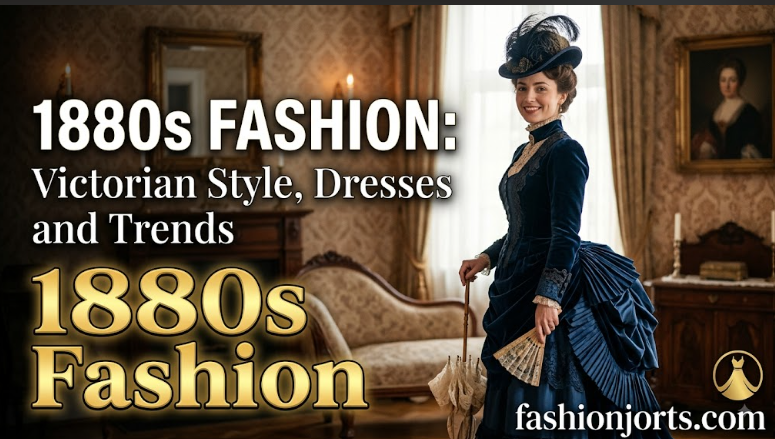
The 1880s produced some of the most recognizable clothing designs in fashion history. Defined by structured silhouettes, carefully tailored garments, and an obsession with detail, the decade represented the height of late Victorian style. Clothing was not simply a matter of personal taste; it reflected social position, wealth, occupation, and the expectations placed on men and women during the period. From the famous bustle gowns worn by fashionable women to the carefully fitted suits of Victorian gentlemen, the decade created a visual language that still influences costume designers and modern fashion creators. Understanding 1880s fashion means looking beyond the clothing itself and examining the society, technology, and cultural values that shaped it.
The Defining Features of 1880s Fashion
The fashion of the 1880s was built around structure and proportion. Unlike modern clothing, which often prioritizes comfort and flexibility, Victorian garments were designed to create a specific appearance. Women’s clothing focused on creating a dramatic hourglass figure with a narrow waist, fitted upper body, and extended skirt shape. Men’s clothing emphasized professionalism through tailored jackets, formal trousers, and carefully chosen accessories.
Several features became strongly associated with the decade:
- Fitted bodices and jackets
- Structured skirts and coats
- Decorative trimming
- Rich fabrics
- Formal accessories
- Strong attention to craftsmanship
The growth of industrial manufacturing also changed how clothing was produced. More people could access fashionable garments, although the highest-quality pieces were still made by skilled dressmakers and tailors.
Women’s Fashion and the Return of the Bustle
The most recognizable element of women’s fashion during the 1880s was the bustle. This garment support was worn underneath the skirt to push fabric outward at the back, creating a distinctive silhouette. The bustle had appeared during earlier Victorian years, but in the 1880s it became more exaggerated. Dresses were designed with a smooth, narrow front and a large amount of fabric gathered toward the back. This created a strong contrast between the waist and the lower part of the dress. Fashionable women often wore gowns with carefully arranged folds, bows, pleats, and decorative panels. The shape of the dress was not accidental; every layer was designed to create a controlled and elegant appearance.
Corsets and the Victorian Ideal of Beauty
Corsets were an essential part of fashionable women’s clothing during the decade. They created the narrow waist that was considered desirable at the time and provided support for the structured dresses worn over them. The Victorian ideal emphasized posture, elegance, and refinement. A woman’s clothing was expected to create a polished appearance, especially among the middle and upper classes. However, not everyone supported these fashion expectations. Dress reform advocates argued that extremely restrictive garments could limit movement and comfort. Their ideas encouraged discussions about practical clothing, although mainstream fashion continued to favor the traditional Victorian shape.
Dresses, Fabrics, and Decorative Details
A wealthy Victorian woman’s wardrobe could include different outfits for morning activities, visiting, outdoor occasions, and evening events. Clothing choices were often connected to social activities and public appearances.
Day dresses usually featured:
- High necklines
- Long sleeves
- Modest designs
- Durable fabrics
Evening gowns allowed more creativity and luxury. Silk, velvet, satin, and lace were commonly used for formal clothing. Embroidery, ribbons, buttons, and layered fabrics added visual interest. The development of synthetic dyes during the nineteenth century expanded available color choices. Rich shades such as deep green, burgundy, purple, and navy became popular because they created a luxurious appearance.
Hairstyles and Accessories in the 1880s
Accessories completed the Victorian look. A fashionable outfit was considered incomplete without carefully selected details.
Women commonly wore:
- Decorative hats
- Gloves
- Parasols
- Jewelry
- Handbags
- Hair ornaments
Hats were especially important for outdoor appearances. They were often decorated with feathers, flowers, ribbons, and other materials. Hairstyles usually involved arranging the hair upward with curls, waves, or additional hairpieces. The goal was to create a neat and elegant appearance that complemented the shape of the clothing.
Men’s Fashion During the 1880s
Men’s fashion in the 1880s was formal and refined. While women’s clothing focused heavily on shape and decoration, men’s style emphasized tailoring and social respectability.
The typical Victorian gentleman wore:
- Three-piece suits
- Waistcoats
- Formal coats
- High-collared shirts
- Neckties
- Leather shoes
- Hats
Dark colors dominated men’s wardrobes, especially black, gray, and navy. Patterns such as stripes and checks were also used, particularly for less formal occasions. The suit became increasingly important during this period because it represented professionalism and success. Businessmen, politicians, and professionals used clothing to communicate reliability and status.
Fashion Differences Between Social Classes
Clothing in the 1880s clearly showed differences between social groups. Wealthy families could afford custom-made garments, expensive fabrics, and multiple outfits for different occasions. For working-class people, clothing choices were usually more practical. Garments were made to last, repaired when necessary, and often produced from less expensive materials. The difference between luxury fashion and everyday clothing reflected the wider economic divisions of Victorian society.
The Influence of Paris and Fashion Designers
Paris remained one of the world’s most important fashion centers during the 1880s. Designers and dressmakers influenced trends that spread throughout Europe and North America. One of the most influential figures of the period was Charles Frederick Worth, whose Paris fashion house helped establish the idea of the designer as a creative authority. His approach transformed dressmaking into a recognized form of artistic expression. Fashion publications also helped spread new styles. Illustrations allowed people far beyond major cities to follow changing trends.
How 1880s Fashion Changed Toward the 1890s
By the end of the decade, fashion began moving away from the large bustle silhouette. Designers started introducing new shapes that would become popular during the 1890s.
The transition brought:
- More emphasis on shoulders
- Simpler skirt designs
- Less dramatic back shaping
- New approaches to women’s clothing
Although the bustle declined, many Victorian influences remained visible in later fashion.
Why 1880s Fashion Still Matters Today
The influence of 1880s fashion continues in films, television, theater, and modern design. Costume creators often return to the decade because its clothing instantly communicates a historical setting. Elements such as fitted bodices, lace details, velvet fabrics, and dramatic sleeves frequently appear in modern interpretations of Victorian-inspired fashion. The decade remains fascinating because it shows how clothing can represent far more than appearance. Fashion reflected technology, social expectations, personal identity, and cultural change.
Conclusion
The fashion of the 1880s represents a period when clothing was carefully designed to communicate identity and social values. Its dramatic silhouettes, detailed craftsmanship, and formal elegance made it one of the most memorable eras in fashion history. Although modern clothing has moved toward comfort and simplicity, the creativity of 1880s designers continues to inspire new generations. The decade remains a powerful example of how fashion can capture the ideas, ambitions, and traditions of a society.