Gothic fashion is one of the most recognizable alternative styles in the world, known for its dark colors, dramatic clothing, and strong connection with music, art, and history. While many people think gothic style simply means wearing black, the fashion movement is much broader. It combines elements of romance, mystery, vintage clothing, rebellion, and personal expression. From Victorian-inspired dresses and medieval details to modern streetwear and designer collections, gothic fashion has changed many times while keeping its unique identity. Today, people wear gothic-inspired clothing not only as part of a subculture but also as a way to create a personal style that feels different from mainstream trends.
What Is Gothic Fashion?
Gothic fashion is a clothing style influenced by gothic music, Victorian culture, historical fashion, fantasy, and alternative movements. It usually features dark colors, unique textures, dramatic shapes, and symbolic accessories. The style is built around creating a certain mood. Some outfits may appear elegant and romantic, while others may look rebellious or futuristic. A gothic outfit can include anything from a long velvet coat and lace dress to a simple black jacket paired with boots and silver jewelry. Unlike many fashion trends that follow seasonal changes, gothic fashion focuses more on identity. People often choose pieces that reflect their personality, interests, and artistic taste.
The History of Gothic Fashion
The roots of gothic fashion go back much further than the modern goth movement. The word “gothic” originally became associated with medieval architecture and later with gothic novels that became popular during the 18th and 19th centuries. These stories often featured mysterious settings, emotional themes, and dramatic characters, which influenced the visual style connected with gothic culture. The modern gothic fashion movement appeared during the late 1970s and early 1980s in the United Kingdom. It developed from the post-punk music scene, where bands and fans created a darker version of punk fashion. Black clothing, heavy makeup, leather pieces, and unusual hairstyles became important parts of the look. The music scene played a major role in spreading gothic style. Artists such as Siouxsie Sioux and Robert Smith became known for their distinctive appearances, helping shape the fashion choices of a new generation.
Victorian Gothic Fashion and 1800s Influence
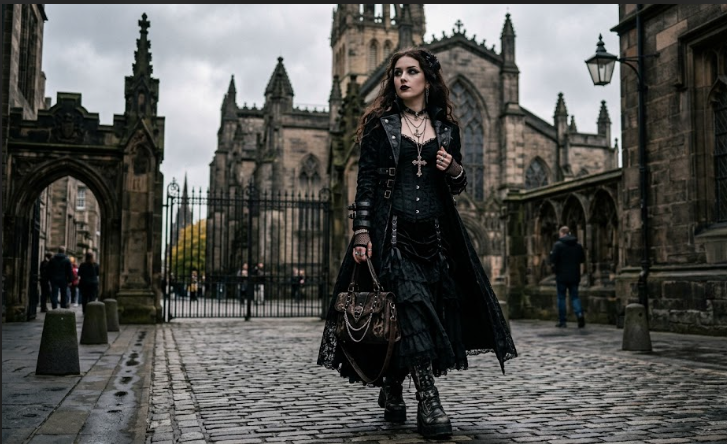
Victorian gothic fashion is one of the most popular interpretations of gothic style. It takes inspiration from 19th-century clothing, especially the elegance and formality of Victorian fashion. During the 1800s, clothing often featured detailed designs, layered fabrics, fitted shapes, and decorative elements. Modern gothic fashion borrows these ideas and combines them with darker themes. Victorian gothic outfits often include lace, corsets, high collars, long skirts, velvet jackets, gloves, and antique-style jewelry. The style creates a balance between elegance and mystery, making it popular among people who enjoy historical fashion.
80s Gothic Fashion and Traditional Goth Style
The 1980s were a defining period for gothic fashion. The rise of gothic rock created a recognizable style that mixed punk energy with romantic and dramatic influences. Traditional 80s gothic fashion often included black leather jackets, ripped clothing, fishnet materials, combat boots, oversized shirts, and dark makeup. Hairstyles were usually bold, with volume and unusual shapes becoming part of the overall appearance. This era created the foundation for many gothic styles that exist today. Even modern interpretations often borrow ideas from the original 1980s goth movement.
Different Types of Gothic Fashion
Gothic fashion has developed into several styles, each with its own character and influences.
Traditional Gothic Fashion
Traditional goth style stays closest to the original 1980s movement. It focuses on black clothing, band-inspired looks, leather, boots, and dramatic accessories. This style is strongly connected with gothic music culture and often reflects the rebellious spirit of early goth communities.
Romantic Gothic Fashion
Romantic gothic fashion combines dark aesthetics with softer and more elegant elements. Flowing fabrics, lace, velvet, and vintage-inspired designs are common features. This style focuses less on rebellion and more on beauty, emotion, and artistic expression.
Medieval Gothic Fashion
Medieval gothic fashion draws inspiration from historical clothing, fantasy worlds, and ancient designs. Long coats, flowing sleeves, leather accessories, and embroidered details are often used. Many people who enjoy fantasy films, historical clothing, or role-playing communities are attracted to this style.
Southern Gothic Fashion
Southern gothic fashion takes inspiration from the American South, especially old-fashioned clothing, vintage styles, and themes found in southern gothic literature. It often combines classic designs with darker elements, such as black floral patterns, antique accessories, lace, and traditional dresses.
Cyber Gothic Fashion
Cyber goth is a futuristic version of gothic style. It mixes dark clothing with bright colors, technology-inspired accessories, synthetic materials, and industrial influences. This style is more experimental and often focuses on creating a futuristic appearance.
Modern Gothic Fashion
Modern gothic fashion blends traditional gothic elements with everyday clothing and current trends. Many people now combine black streetwear, oversized clothing, designer pieces, and gothic accessories. The modern approach allows people to include gothic influences without following every traditional rule of the subculture.
Gothic Fashion for Women
Women’s gothic fashion includes many different looks, from elegant Victorian outfits to casual alternative clothing. Popular pieces include black dresses, lace tops, corsets, leather jackets, platform boots, and statement jewelry. Some prefer a dramatic appearance with bold makeup and detailed outfits, while others choose a simpler style using dark colors and a few gothic-inspired accessories. The variety of women’s gothic fashion allows people to create outfits that match their personality rather than follow one fixed image.
Gothic Fashion for Men
Men’s gothic fashion has grown beyond the traditional image of black shirts and boots. Today, gothic menswear includes tailored coats, leather jackets, dark suits, fitted shirts, and historical-inspired pieces. Many men combine gothic clothing with modern fashion by wearing black jeans, boots, rings, and minimalist accessories. The result can range from casual street style to formal gothic elegance.
Gothic Fashion Designers and Brands
Gothic influences have appeared in both alternative fashion brands and high-end designer collections. Designers such as Alexander McQueen and Vivienne Westwood have explored dark themes, dramatic shapes, and historical references in their work. Alternative brands have also helped make gothic clothing more accessible. Labels such as Killstar, Demonia, and Restyle are known for creating clothing, footwear, and accessories inspired by gothic aesthetics.
Why Gothic Fashion Continues to Be Popular
Gothic fashion remains popular because it gives people freedom to express themselves. It does not depend on following a single trend or meeting traditional ideas of beauty. The style has also gained attention through movies, music, social media, and fashion communities. Many people are attracted to its creativity, historical influences, and ability to create a strong visual identity. Another reason for its lasting popularity is flexibility. Someone can wear a complete gothic outfit or simply add small details such as dark colors, jewelry, or boots.
Common Misunderstandings About Gothic Fashion
A common misunderstanding is that gothic fashion is only about darkness or sadness. In reality, the style includes many themes such as creativity, romance, history, and artistic expression. Another misconception is that all goth fashion requires wearing only black. While black is an important color, many gothic styles include red, purple, white, silver, and other shades. Gothic fashion is also not limited to a specific age group. People from different backgrounds continue to adapt the style in their own ways.
Conclusion
Gothic fashion has remained popular because it represents more than clothing. It connects history, music, art, and personal identity in a way that allows people to create their own appearance. From the Victorian era to the 1980s goth movement and modern interpretations, the style continues to change while keeping its recognizable character. Whether someone prefers a dramatic gothic outfit or a subtle dark-inspired look, the most important part of gothic fashion is authenticity. The style works best when it reflects the person wearing it.