Introduction
The 1600s fashion era was a time of dramatic change, where clothing became a powerful reflection of wealth, identity, and social position. The 17th century moved away from the stiff and heavily structured styles of the Renaissance and introduced softer shapes, richer fabrics, and more expressive designs. Fashion during this period was not the same for everyone. Royal families and wealthy nobles wore elaborate garments decorated with silk, lace, embroidery, and jewels, while ordinary people relied on practical clothing made from wool and linen. The differences between social classes were clearly visible through what people wore. From the elegant gowns of European courts to the famous Cavalier style of men’s clothing, 1600s fashion created many styles that continue to influence historical costumes and modern designers today.
The Changing Style of the 1600s
At the beginning of the century, clothing still carried strong Renaissance influences. Garments were formal, carefully shaped, and designed to create a powerful appearance. Men and women often wore structured clothing with detailed decoration that showed their social standing. As the century progressed, fashion became more relaxed and decorative. Large collars gave way to softer lace details, sleeves became fuller, and clothing developed a more natural flow. The Baroque movement influenced fashion with its love for richness, drama, and artistic expression. The later decades of the 1600s introduced new ideas that shaped European fashion for generations. Clothing became less focused on rigid shapes and more focused on elegance, movement, and personal style.
Women’s Fashion in the 1600s
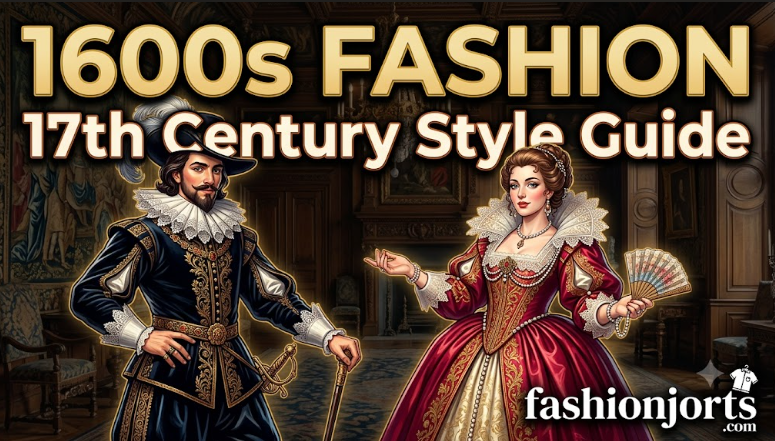
Women’s clothing in the 17th century was designed to create an elegant and refined appearance. A fashionable woman’s outfit usually included several layers, beginning with basic linen undergarments and building toward a decorative outer gown. Dresses commonly featured fitted bodices, full skirts, and carefully arranged sleeves. Wealthy women often wore gowns made from expensive fabrics such as silk, velvet, and satin. These materials were difficult to produce and became clear signs of status. During the middle of the century, women’s fashion became softer compared with earlier styles. Sleeves became wider, necklines changed, and decorative elements such as ribbons, lace, and embroidery became increasingly popular.
Popular Fabrics and Decorative Details
Fabric choice played an important part in 1600s fashion. Clothing was not only designed to look attractive but also to display the wearer’s position in society. Silk was one of the most valued materials because of its smooth texture and luxurious appearance. Velvet was another popular choice among wealthy families, especially for formal clothing. Brocade and damask fabrics were also admired for their detailed patterns. Lace became one of the defining features of the century. It appeared on collars, cuffs, sleeves, and accessories. Because handmade lace required significant time and skill, it became closely associated with wealth and elegance.
Men’s Fashion and the Rise of the Cavalier Style
Men’s fashion changed greatly throughout the 1600s. Early in the century, men commonly wore doublets, fitted jackets, breeches, stockings, and decorative collars. These outfits often featured embroidery, buttons, and rich fabrics. By the middle of the century, a more relaxed style became popular. The Cavalier look, especially associated with England, emphasized confidence and sophistication. Men wore long flowing hair, wide-brimmed hats, feather decorations, loose coats, and tall boots. This style created a more romantic image of masculinity compared with the stricter clothing traditions of earlier periods.
The Influence of Royal Courts on Fashion
Royal courts had a major impact on 1600s fashion. Clothing was closely connected with power, wealth, and social relationships. Appearing in fashionable clothing was often necessary for people who wanted recognition at court. France became one of the strongest fashion influences during the later part of the century. Under Louis XIV, the French court promoted highly decorated clothing, formal presentation, and luxury materials. Fashion at court was carefully controlled. Clothing choices could communicate a person’s rank, wealth, and connection to royal life.
Everyday Clothing of Ordinary People
While royal fashion is often the most remembered part of the 1600s, most people lived very different clothing experiences. Farmers, workers, and craftspeople needed clothing that was durable and affordable. Common materials included wool and linen because they were practical and easier to obtain. Men often wore simple shirts, jackets, breeches, and hats. Women usually wore plain dresses, aprons, and head coverings. Regional differences were common. Climate, occupation, and available materials all influenced how people dressed.
Accessories That Completed the Look
Accessories were an important part of 1600s fashion. They helped create a complete appearance and often showed personal wealth. Men commonly wore wide-brimmed hats, leather boots, gloves, and decorative collars. Women used jewelry, fans, ribbons, hair accessories, and carefully designed head coverings. Shoes also became an important fashion detail. Wealthier individuals could afford better materials and decorative features, while everyday footwear focused mainly on comfort and durability.
How 1600s Fashion Influences Modern Style
The influence of 17th-century fashion can still be seen in modern clothing, costume design, and luxury collections. Designers often take inspiration from the period’s use of rich fabrics, dramatic sleeves, lace details, and historical silhouettes. Movies, theater productions, and historical events frequently recreate 1600s clothing because of its strong visual character. The combination of elegance and craftsmanship makes this era especially appealing to audiences interested in fashion history.
Common Misunderstandings About 1600s Fashion
Many people imagine that everyone in the 1600s dressed like royalty, but this was far from reality. Elaborate gowns, expensive fabrics, and decorative accessories were mainly available to wealthy groups. Another misunderstanding is that fashion remained unchanged throughout the century. In reality, styles developed continuously. Early 1600s clothing looked very different from the fashionable designs seen near the century’s end. Understanding these differences helps create a more accurate picture of how people actually dressed.
Conclusion
The 1600s fashion era remains one of the most fascinating periods in clothing history because it showed how fashion could express identity, power, and creativity. The century brought major changes in both men’s and women’s clothing, creating styles that shaped future European fashion. From royal courts filled with silk and embroidery to everyday clothing designed for practical life, 17th-century fashion reflected the world around it. Every fabric choice, accessory, and design detail carried meaning. Today, the influence of 1600s fashion continues through historical costumes, fashion collections, and creative designs that celebrate the beauty and craftsmanship of the past.