
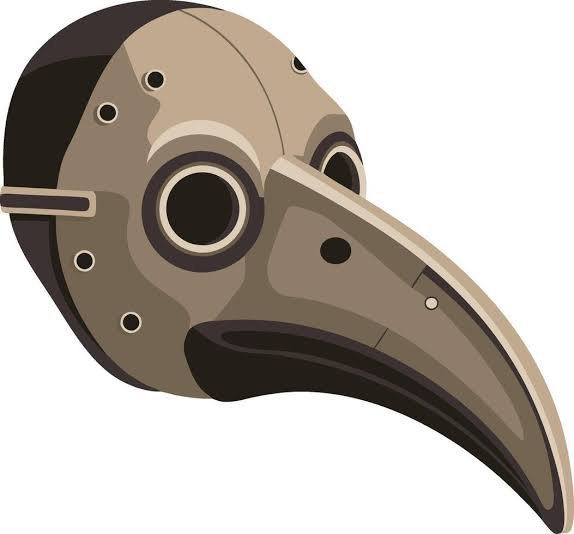
Few historical images are as instantly recognisable as the plague doctor: a dark, long coat, wide-brimmed hat, gloved hands, round eye lenses, and a strange bird-like beak extending from the face. It looks as though it belongs in a gothic horror film, yet the original inspiration came from a very real period of medical uncertainty.
Today, the plague doctor has become a favourite character at Halloween parties, masquerade events, cosplay gatherings, and horror-themed celebrations. Its appeal lies in the unusual combination of history, mystery, and theatrical design. Unlike many costumes that depend on elaborate makeup or complicated clothing, the distinctive beaked mask can establish the entire character almost immediately.
But where did this unusual design come from? Why did doctors believe the beak was necessary, and how did a historical medical outfit become such a recognisable symbol in popular culture? Understanding its story makes the costume even more interesting to wear.
The Origins of the Plague Doctor Costume
The familiar plague doctor outfit is generally associated with seventeenth-century Europe, rather than the medieval period most people connect with the Black Death. Although plague outbreaks affected European communities for centuries, the iconic beaked costume became associated with medical practitioners much later.
French physician Charles de Lorme is often credited with describing an elaborate protective outfit during the 1619 plague outbreak in Paris. Accounts associated with the design describe a long coat, gloves, boots, a hat, and a distinctive mask with a projecting nose.
The outfit reflected the medical understanding of the time. Physicians were searching for ways to protect themselves while treating patients during dangerous outbreaks, but scientific knowledge about how infectious diseases spread was still limited.
The beaked mask became the most memorable part of the ensemble. Its unusual appearance helped distinguish the plague doctor from other historical medical figures, and later illustrations helped establish the image that remains familiar today.
Why Did Plague Doctors Wear Beaked Masks?
The most fascinating feature of the costume is undoubtedly its long, bird-like nose. The design was connected to the historical belief in miasma theory, which held that diseases could spread through polluted or poisonous air.
Doctors who followed this theory believed that unpleasant smells could carry disease. To counter the supposed danger, some protective masks were designed with a hollow beak that could hold aromatic substances such as herbs, flowers, and spices.
The idea was that the air passing through the beak would be purified by these fragrant materials before reaching the wearer. This approach was based on an incorrect understanding of infection, but it demonstrates how medical practitioners attempted to respond to a frightening and poorly understood threat.
Modern medicine has established that plague is caused by the bacterium Yersinia pestis, not by poisonous air. The historical beaked mask did not provide the protection its designers intended.
Nevertheless, the distinctive shape survived in historical illustrations, theatrical representations, and eventually costume culture. Its strange silhouette became much more memorable than the medical theories that originally inspired it.
The Main Features of a Traditional Plague Doctor Outfit
A traditional plague doctor costume is more than a mask. Its recognisable appearance comes from several elements working together to create a mysterious, almost otherworldly character.
The iconic beaked mask
The mask is the defining feature. It usually has a long, curved or pointed nose, circular eye openings, and a dark or aged finish. Some designs include decorative stitching, metallic details, or exaggerated shapes that create a more dramatic appearance.
The beak immediately gives the wearer a distinctive silhouette, making it possible to recognise the character even from a distance.
The wide-brimmed hat
A broad-brimmed hat adds another historical detail to the outfit. It helps create the impression of an old-fashioned physician and balances the unusual proportions of the mask.
Black is a traditional choice for a dramatic look, although brown, weathered leather effects, and other dark shades can also work.
The long coat or cloak
A long coat is often used to recreate the traditional plague doctor silhouette. Dark fabrics, layered clothing, and flowing outerwear create a mysterious appearance while making the costume feel more complete.
A cloak can be an effective alternative for people who want a simpler interpretation of the character.
Gloves and accessories
Gloves help complete the look and make the outfit feel more deliberate. A walking stick or cane is also commonly included in modern plague doctor costumes, adding a theatrical finishing touch.
Some contemporary versions incorporate belts, chains, antique-style pouches, and decorative details to create a more elaborate fantasy interpretation.
Why the Plague Doctor Became a Gothic Horror Icon
The plague doctor is particularly effective as a horror character because its appearance combines several elements that naturally create mystery.
First, the mask hides the wearer’s facial expression. People rely heavily on facial cues when interpreting emotion, so covering the face makes a character feel less familiar and more difficult to read.
Second, the beak creates an unusual silhouette. It resembles a bird’s bill but is attached to a human figure, producing an unsettling visual contrast.
Finally, the historical association with disease and death gives the character an atmosphere that ordinary fantasy costumes may not have. The outfit carries a sense of an unfamiliar past, making it suitable for gothic storytelling, horror photography, and theatrical events.
Over time, the plague doctor became part of the wider visual language of gothic horror. It appears in costume celebrations, carnival traditions, games, illustrations, and contemporary horror-inspired fashion.
How to Style a Plague Doctor Costume for Halloween
The best plague doctor costumes balance the historical elements with personal styling. You do not need an elaborate reproduction to create an effective look. A few carefully chosen pieces can establish the character.
Choose the right mask first
Begin with the mask because it determines the overall direction of the costume. A traditional dark beaked design creates a classic historical appearance, while an aged or distressed finish can make the character look more mysterious.
If you prefer a more theatrical interpretation, consider decorative details that suit the event’s theme. The key is to make the mask the focal point rather than allowing too many accessories to compete with it.
Build a dark, layered outfit
Black is an easy foundation for the costume, but different textures can make the outfit more interesting. A long coat, dark shirt, trousers, and boots create a strong starting point.
Layering can add depth without requiring complicated tailoring. For example, a textured waistcoat or weathered-looking outer layer can make a simple outfit feel more authentic.
Add atmospheric accessories
A cane, gloves, belt, or antique-inspired pouch can help complete the character. Choose accessories that support the historical or gothic theme rather than adding unrelated decorative pieces.
For photography or a themed party, even a simple prop can help communicate the character’s story.
Consider lighting and makeup
If the mask leaves parts of the face visible, subtle dark makeup can create a more dramatic effect. Pale or shadowed styling may also work, depending on the overall look.
For photographs, low lighting, old stone backgrounds, candle-style lighting, and atmospheric settings can strengthen the mysterious appearance.
Choosing the Right Plague Doctor Mask
Not every mask creates the same effect. Some designs are simple and traditional, while others are more decorative or exaggerated. Choosing the right one depends on the costume, the event, and how long you expect to wear it.
Consider these factors before making a choice:
- Design: Decide whether you prefer a historically inspired appearance, a gothic interpretation, or a more theatrical horror style.
- Fit: Check the dimensions and fastening system so the mask sits securely without unnecessary pressure.
- Visibility: Make sure the eye openings allow sufficient vision for the environment where you will wear it.
- Comfort: Consider weight, ventilation, and how the mask feels during extended use.
- Material: Look at the construction and finish, particularly if the mask will be stored and reused.
- Compatibility: Check that the design works with your chosen hat, coat, and other costume accessories.
Comfort is especially important at crowded events. A visually impressive mask should not prevent safe movement or make breathing difficult. If visibility is restricted, remove it when navigating stairs or crowded spaces.
Creative Ways to Wear a Plague Doctor Costume Beyond Halloween
Although Halloween is the most obvious occasion for this look, the plague doctor character can suit several other creative events.
Cosplay conventions
The plague doctor is a recognisable character archetype in fantasy and horror settings. Cosplayers can recreate the traditional historical outfit or develop an original character inspired by the beaked silhouette.
Masquerade parties
A plague doctor mask offers a darker alternative to conventional decorative masquerade designs. Paired with formal dark clothing, it can create an unusual and memorable appearance.
Themed photography
The combination of a hidden face, dramatic silhouette, and historical inspiration makes the costume effective for atmospheric portraits. Lighting, location, and composition can all help create a distinctive visual story.
Theatre and creative performances
The plague doctor has a strong theatrical presence. Its recognisable shape and historical associations make it useful for productions that explore gothic themes, historical fiction, or supernatural storytelling.
Plague Doctor Costume Ideas for Couples and Groups
The character also works well as part of a coordinated group theme. Instead of having everyone wear identical outfits, create a shared visual direction with different interpretations.
For example, one person could wear a traditional plague doctor mask by Masquerade Store, another could represent a gothic physician, and others could take inspiration from historical apothecaries or mysterious masked figures.
Couples can also create complementary looks by combining a plague doctor character with a gothic masquerade outfit or another historical horror-inspired costume.
To make a group look coordinated, use a shared colour palette, similar textures, and accessories that connect the different characters. This approach creates a stronger overall appearance while allowing each person to maintain an individual style.
Common Mistakes to Avoid When Creating the Look
A plague doctor costume is relatively easy to recognise, but a few styling mistakes can make it less convincing.
Ignoring the outfit: A mask alone may establish the character, but adding a coat, gloves, or suitable headwear creates a more complete appearance.
Choosing an uncomfortable mask: A poor fit can make an otherwise impressive costume difficult to wear. Check measurements and practical details before purchasing.
Adding too many accessories: The beaked mask is already visually distinctive. Too many unrelated props can distract from the central design.
Overlooking visibility: Eye openings and fit should be checked before attending an event. Never compromise safe movement for appearance.
Leaving preparation until the last minute: Trying on the complete costume beforehand gives you time to adjust clothing, test accessories, and identify anything that feels uncomfortable.
Frequently Asked Questions
Were plague doctor masks really used during the Black Death?
The iconic beaked mask is generally associated with the seventeenth century, several centuries after the Black Death began in the fourteenth century. There is no solid evidence that the familiar beaked costume was worn during the original Black Death outbreak.
What was inside a plague doctor mask?
Historical descriptions associate the hollow beak with aromatic substances such as herbs, flowers, and spices. These were intended to protect doctors from supposedly harmful air, based on the miasma theory of disease.
Who invented the plague doctor mask?
French physician Charles de Lorme is often credited with describing the familiar protective outfit in connection with the 1619 plague outbreak in Paris. However, historians continue to examine the historical evidence and the later development of the familiar costume.
Why does the plague doctor wear a bird-like mask?
The beak was intended to hold fragrant materials that physicians believed would purify the air before they breathed it. Its unusual appearance later became the defining visual feature of the plague doctor character.
Can a plague doctor mask be worn with an ordinary black outfit?
Yes. A dark shirt, trousers, coat, and suitable footwear can create a simple but recognisable costume. A mask is the main visual feature, while additional accessories can make the look more elaborate.
Is a plague doctor costume suitable for a masquerade party?
Yes. Its concealed face and dramatic historical appearance make it an interesting alternative to conventional masquerade masks. Choose a design and outfit that matches the formality and theme of the event.
Final Thoughts
The plague doctor remains one of the most fascinating figures in historical costume culture. What began as an attempt to protect physicians using the medical beliefs of an earlier age eventually became an enduring symbol of mystery, gothic horror, and theatrical imagination.
Its appeal comes from the distinctive combination of the beaked mask, dark clothing, and historical associations. Whether recreated as a traditional physician, styled as a fantasy character, or adapted for a masquerade celebration, the look offers plenty of room for creativity.
The best costume starts with a well-chosen mask and builds outward through coordinated clothing and accessories. Pay attention to fit, visibility, and comfort, and the result can be both striking and practical for the occasion.