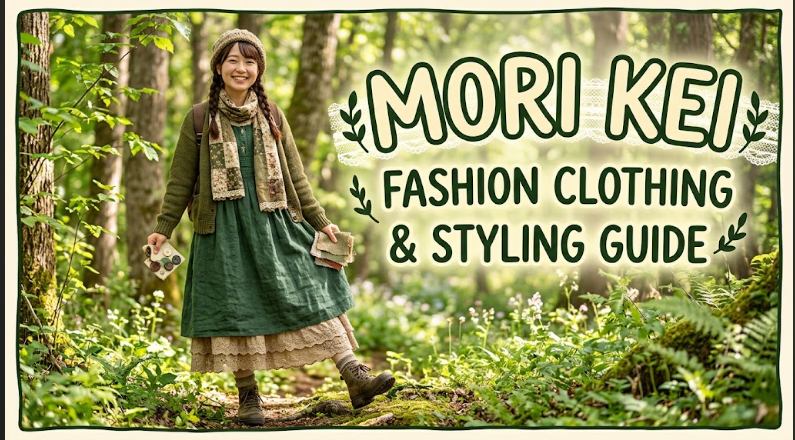
Mori Kei fashion brings together comfortable clothing, muted colors, and vintage-inspired details to create a look that feels close to nature. Originating in Japan, the style is recognized for its flowing dresses, soft knitwear, long skirts, and carefully layered outfits. It offers an alternative to trend-focused dressing, allowing people to express their personality through fabric, shape, and small details. Whether you prefer a simple everyday outfit or a more traditional woodland-inspired look, Mori Kei gives you plenty of room to experiment.
What Makes Mori Kei Fashion Different?
The defining feature of Mori Kei is its relaxed approach to dressing. Instead of relying on fitted garments or sharp contrasts, outfits often combine loose shapes, soft textures, and subtle decorative elements. A simple dress can become a complete look when paired with a long cardigan, textured socks, and comfortable shoes. The style also values individuality. Two people can wear completely different outfits and still capture the same aesthetic, provided their clothing shares the relaxed proportions and natural appearance associated with Mori Kei. This flexibility makes it easier to adapt the style to personal preferences, different climates, and everyday routines.
Choosing the Right Colors for a Forest-Inspired Wardrobe
Color plays an important part in creating a cohesive Mori Kei outfit. Shades such as oatmeal, cream, warm brown, sage green, and muted burgundy work well because they complement one another without creating a harsh contrast. These colors also make it easier to combine clothing purchased at different times. You can begin with two or three neutral shades and introduce a stronger color through a scarf, skirt, or cardigan. For example, a cream blouse and brown skirt can be paired with a dark green knitted layer for a subtle woodland appearance. Small floral prints and faded patterns offer variety without taking attention away from the overall outfit.
Essential Clothing Pieces to Own
Relaxed Dresses and Blouses
Loose dresses and comfortable blouses provide a useful foundation for this style. Look for gathered waists, gentle ruffles, rounded collars, or simple embroidery rather than overly structured designs. Cotton dresses are particularly versatile because they can be worn alone during warmer weather or layered with other garments in cooler conditions.
Cardigans and Lightweight Knitwear
A cardigan can change the appearance of an outfit while making it more practical. Choose pieces with a comfortable fit, interesting buttons, textured stitching, or a slightly longer shape. Lightweight knits are suitable for everyday layering, while heavier sweaters work well when temperatures fall.
Long Skirts and Comfortable Bottoms
Long skirts create movement and pair naturally with blouses, knitted vests, and loose sweaters. Earthy solids are easy to coordinate, while small floral patterns can introduce a vintage feel. If skirts are not part of your usual wardrobe, relaxed trousers in linen or cotton can provide a practical alternative.
Footwear and Everyday Accessories
Footwear should support the outfit without sacrificing comfort. Simple ankle boots, rounded flats, loafers, and understated leather shoes are all suitable choices. A canvas bag, knitted scarf, or modest hair accessory can finish the look without making it feel overly elaborate.
How to Put Together a Balanced Mori Kei Outfit
The key to successful layering is making sure each piece contributes something different. Combining several oversized garments in similar lengths can make an outfit appear bulky, so try mixing a longer skirt with a shorter cardigan or a loose dress with a lightweight outer layer. Small differences in texture and length help separate the individual pieces.
For an everyday combination, wear a cream blouse under a brown pinafore dress and add comfortable ankle boots. During cooler months, introduce tights and a knitted cardigan in olive green or burgundy. For summer, replace heavier layers with a linen dress, lightweight socks, and a woven bag.
Pay attention to comfort as you experiment. Clothing should allow you to move easily, and the number of layers should suit the weather rather than an idealized outfit photograph. Mori Kei works best when its appearance feels natural to the person wearing it.
Making Mori Kei Fashion Affordable
Building this wardrobe does not require shopping exclusively at Japanese fashion boutiques. Secondhand shops, clothing swaps, vintage markets, and ordinary retailers can provide many of the necessary pieces. Look for versatile garments with useful colors and comfortable cuts instead of purchasing every item in one shopping trip. Before buying something new, consider whether it works with at least two or three pieces you already own. A neutral cardigan, for example, might complement several dresses and skirts, making it more useful than a decorative item that suits only one outfit. This approach also helps you develop a consistent personal style without unnecessary spending.
Mori Kei Fashion and Other Nature-Inspired Styles
Mori Kei shares certain visual features with Cottagecore, vintage fashion, and other nature-inspired aesthetics. However, each has its own emphasis. Cottagecore often draws on romantic countryside imagery, while Mori Kei is associated with Japanese street fashion and its characteristic combination of relaxed layers and muted colors. There is no need to treat these styles as strict categories. A floral dress might suit several aesthetics depending on how it is styled, and a modern sweater can work perfectly well in a Mori Kei outfit. Understanding the differences helps you identify what you enjoy without limiting your wardrobe to a single label.
Conclusion
Mori Kei fashion offers a practical way to explore vintage-inspired clothing while keeping comfort at the center of personal style. Its appeal comes from thoughtful combinations of color, texture, and shape rather than expensive purchases or strict rules. Start with a few garments that fit your existing wardrobe, then experiment with layering and accessories as your preferences develop. The most successful outfits are the ones that feel comfortable, reflect your personality, and remain useful beyond a single fashion trend.